




Ergonomic, no matter the surface
Wheter its the street or gravel, with our gravel saddles you sit ergonomically and comfortably, without sacrificing performance.
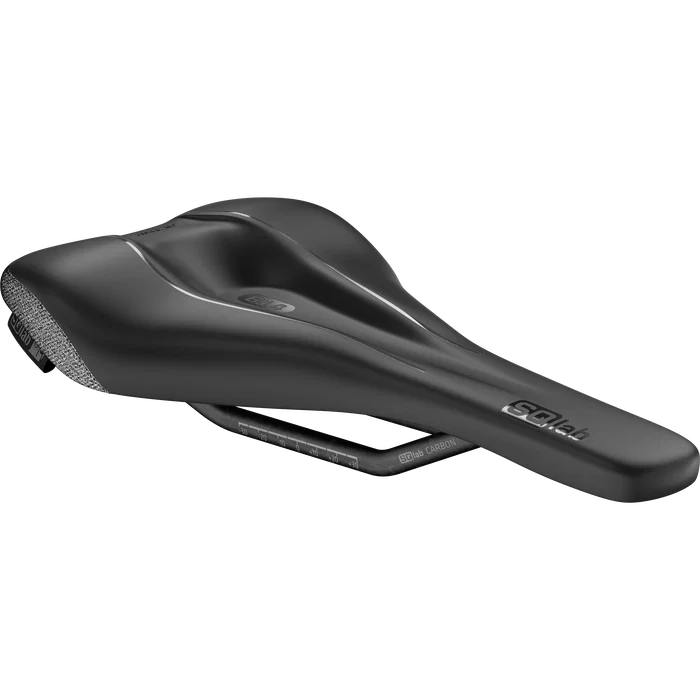
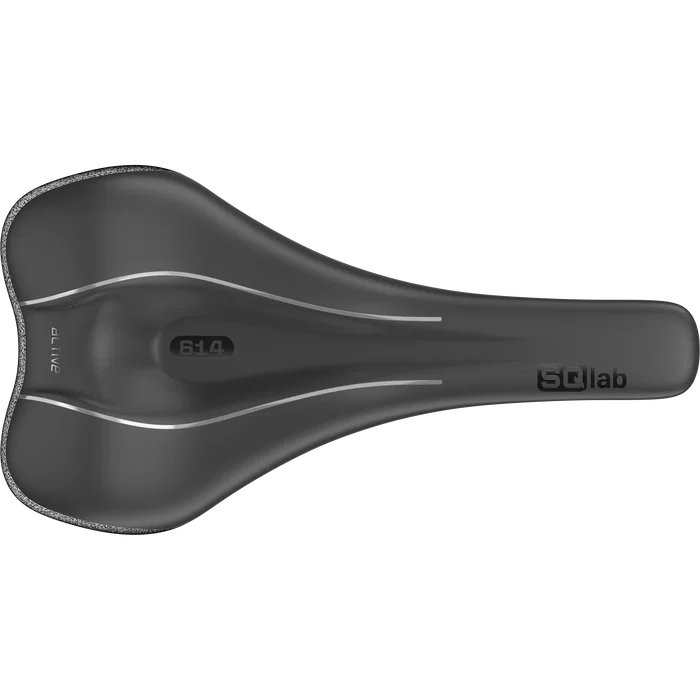
614 ERGOWAVE® active 2.1 Carbon
Light | Back-friendly
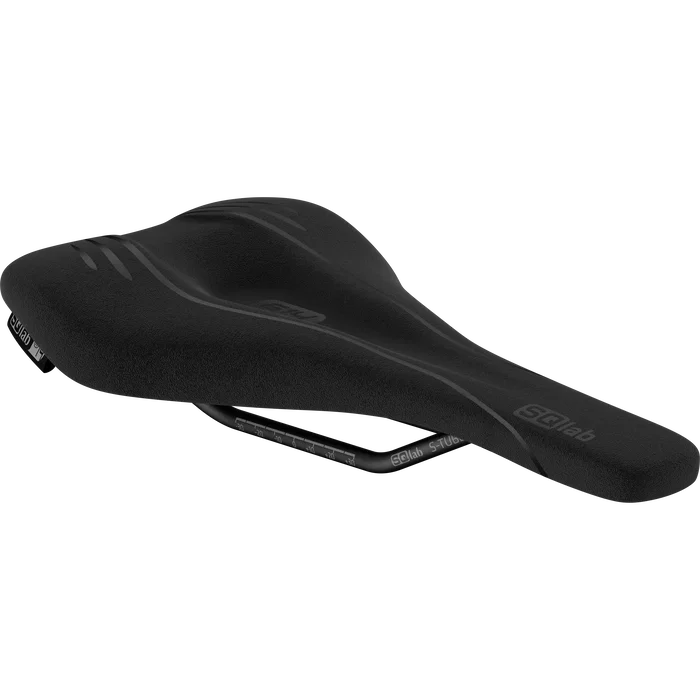
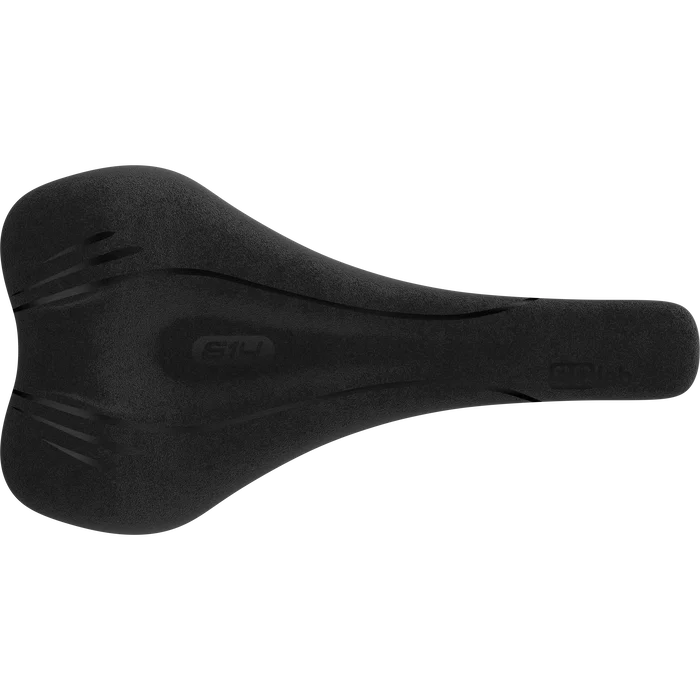
614 ERGOWAVE® active 2.1 S‘Qantara
Comfortable gravel bike saddle
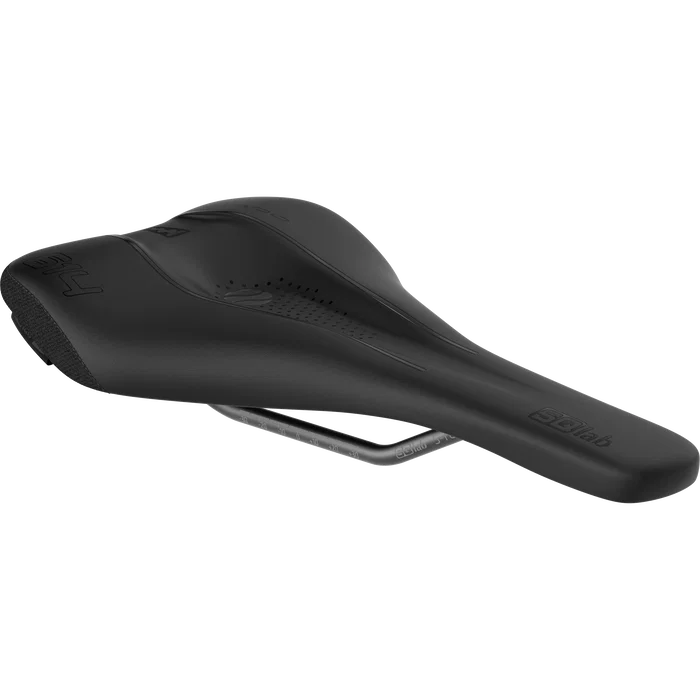
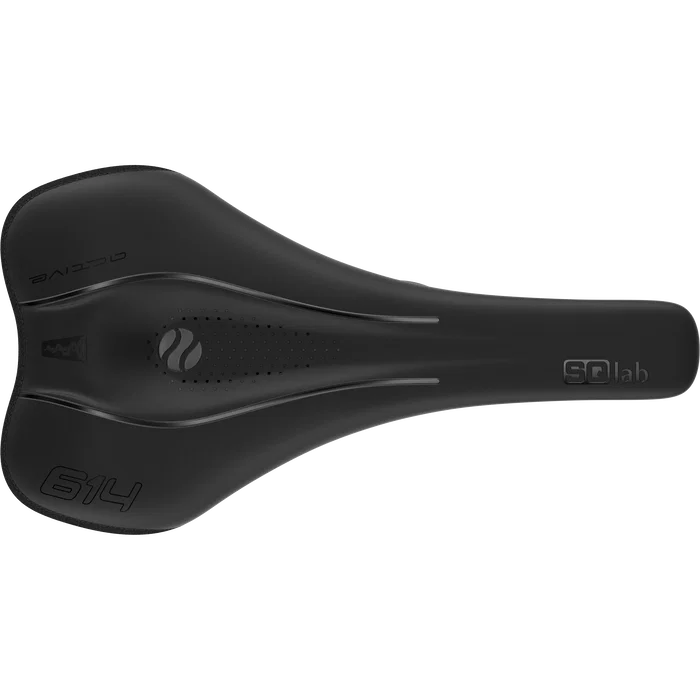
614 ERGOWAVE® active 2.1
Sporty | back-friendly
Which gravel saddle is right for you and your bike?
A suitable gravel saddle supports you on fast training rides, long distance tours and bikepacking adventures. Gravel riding involves frequent changes between paved roads, gravel tracks and rough terrain, which means that the load and your riding position can also change throughout the ride. The saddle should therefore provide a stable sitting surface over longer distances while allowing sufficient freedom of movement when you shift your weight or move more actively on the bike during technically demanding sections.
Our gravel saddles are designed for these varied demands and the sporty, forward-leaning riding position on a gravel bike. Their ergonomic shape supports a controlled riding position without restricting your pedalling dynamics. Different models and equipment options may be suitable depending on whether you mainly plan short, sporty rides, long distances or multi-day tours. To find a saddle that suits you and your gravel bike, consider your intended use, preferred riding style and typical ride duration.
Is a narrower or wider saddle better for a gravel bike?
Neither a particularly narrow nor a particularly wide saddle is automatically better. The right gravel bike saddle must match your sit bone distance and riding position. If it is too narrow, your sit bones may not be fully supported and your body weight may shift onto sensitive areas. If it is too wide, it can interfere with pedalling and changes in riding position. This is why choosing a saddle starts with measuring your sit bone distance. The following calculation applies to gravel riding:
Sit bone distance + 2 cm = suitable saddle size
Example: 13 cm sit bone distance + 2 cm allowance for gravel = 15 cm saddle width
An individual measurement is more important than looking for a general gravel saddle for women or men. With the free at-home measurement kit, you can measure your sit bone distance at home and then select the appropriate saddle size. The kit can also be used to measure your hands and feet, helping you adjust other contact points on the bike to suit your body.
Why are SQlab gravel saddles unisex?
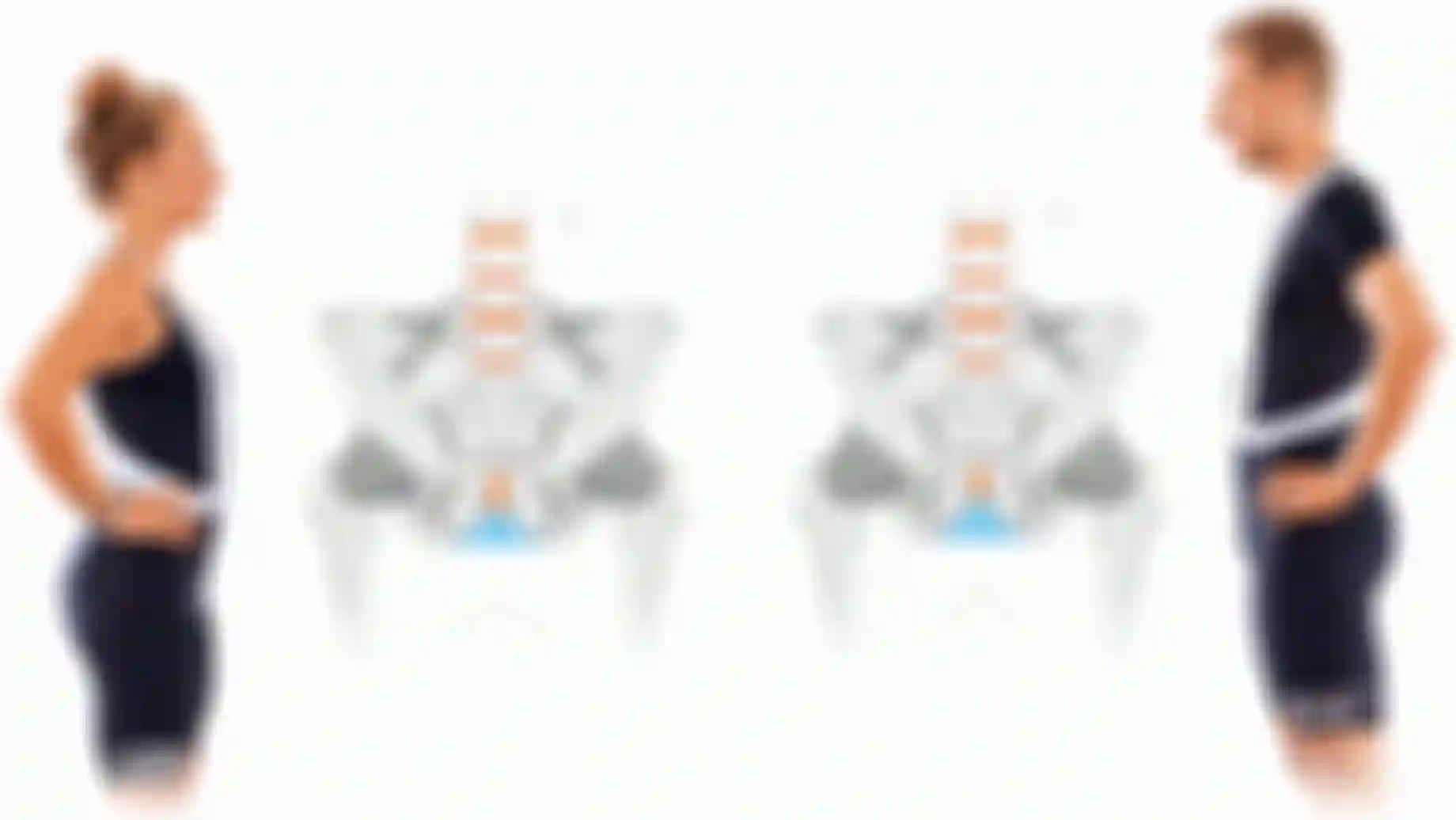
Our gravel saddles are unisex models because individual sit bone distance and riding position are more important for the fit than gender. Two people of the same gender may require different saddle widths, while female and male riders with similar anatomical measurements may be able to use the same model.
The unisex concept combines individual saddle width selection with the step saddle concept. The raised rear section supports the sit bones, while the lowered nose and central dip create additional space at the front. The design accounts for both the sensitive perineal area and the pubic arch. Instead of choosing between a women’s and a men’s gravel saddle, you first determine the width you need and then select the model that suits your intended use.
What is the optimal saddle height for a gravel bike?
The optimal saddle height allows you to pedal evenly while keeping your pelvis stable on the saddle. Because the raised sitting surface of our step saddles changes the effective saddle height, you should check and fine-tune the setting after changing your saddle. As a starting point, we recommend positioning the saddle approximately 5 to 10 mm lower to compensate for the raised rear section.
The calculated height is a starting point, not a universal guarantee. When the saddle is correctly adjusted, your pedalling motion should feel smooth, your pelvis should not rock from side to side and your weight should not shift forwards. Saddle angle and fore-aft position also need to be considered. For our ERGOWAVE® models, a level saddle nose serves as the starting position.
FAQs: the most common questions about gravel saddles
First measure your sit bone distance and add 2 cm for gravel riding. For example, a sit bone distance of 12 cm results in a recommended saddle size of 14 cm. The key factor is the effectively usable width on which both sit bones are fully supported.
Start with a level saddle nose, then check the saddle height and fore-aft position. For our saddles with active-Technology, a slightly more forward position may be suitable. Your sit bones should rest on the intended step or the widest section of the saddle.
Not necessarily. If the sit bones sink too deeply into soft padding, pressure may shift to sensitive areas and create additional friction. On long rides, the correct width, defined support and padding suited to the intended use are more important than maximum softness.
A short adjustment period may be necessary when the pressure distribution changes. We recommend allowing approximately three to six rides for this process and taking sufficient breaks between the first rides. If discomfort persists or numbness occurs, check the saddle width, adjustment and riding position again.
For long gravel rides, the saddle should match your sit bone distance, provide support in a sporty riding position and offer sufficient legroom.
Find the right SQlab gravel saddle
Our gravel saddles combine individual size selection with a shape designed for sporty riding and ergonomic concepts such as the step saddle and active technology. Rather than choosing a saddle based on whether it is labelled ‘for women’ or ‘for men’, you should base your choice on your body shape: measure your sit bone distance, determine the appropriate width and then select the right model.
What to consider when buying a gravel saddle
Measure your sit bones: This is the only way to determine your individual saddle width.
Add the gravel allowance: Sit bone distance + 2 cm = recommended saddle size.
Choose the right shape: The saddle should provide support without restricting freedom of movement while pedalling.
Do not assess padding in isolation: Width, shape and support are more important than maximum softness.
Adjust the saddle correctly: Check the height, angle and fore-aft position together.
Use the free measurement kit for at home and find the gravel bike saddle that suits your body, riding position and tours.