:grayscale(false):quality(10):blur(20):format(webp) "SQlab Lab 2025 Vermessung Measurement")
:grayscale(false):quality(10):blur(20):format(webp) "phntm_lab_4")
:grayscale(false):quality(10):blur(20):format(webp) "sqlab.startseite.menu.teaser.materials.technology")
:grayscale(false):quality(10):blur(20):format(webp) "sqlab.startseite.menu.teaser.research.development")
:grayscale(false):quality(10):blur(20):format(webp) "sqlab.startseite.menu.teaser.store.locator")
:grayscale(false):quality(10):blur(20):format(webp) "SQlab Trekking Lifestyle")
Trekking Saddles
Our ergonomic trekking bike saddles keep you comfortable and relaxed with technologies like the Saddle Width System and the Step Saddle Concept. No matter how long the ride is.
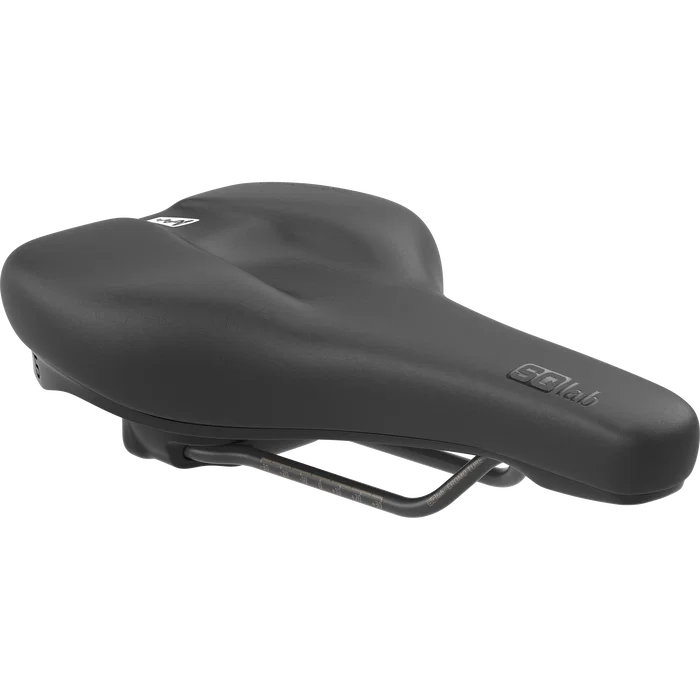
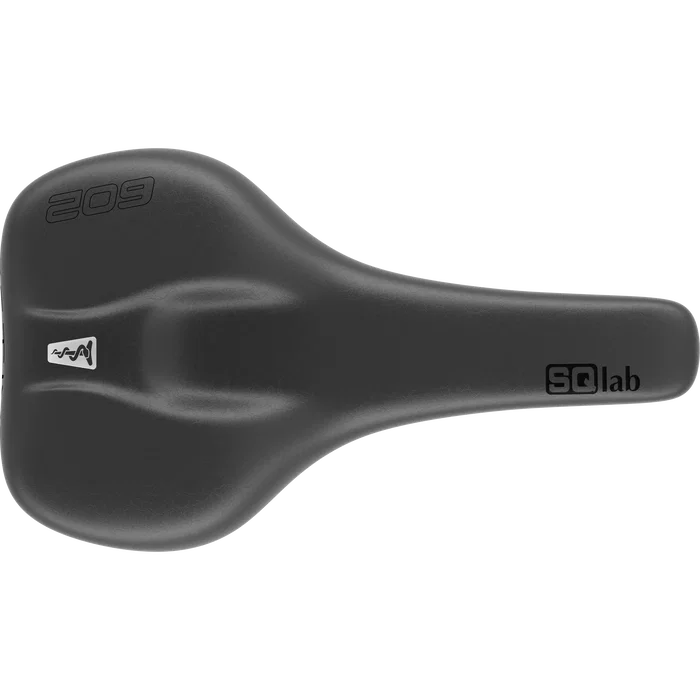
Trekking saddle 602 M-D active 2.1
Maximum relief| back-friendly
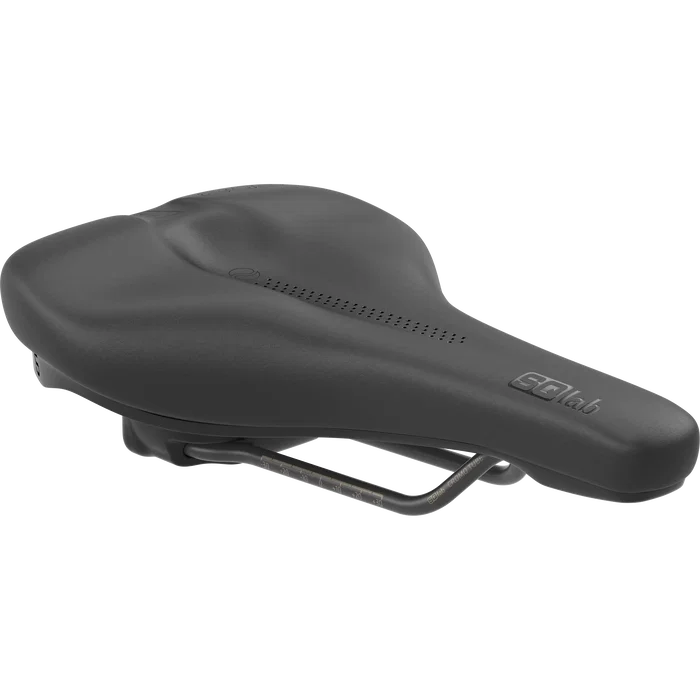
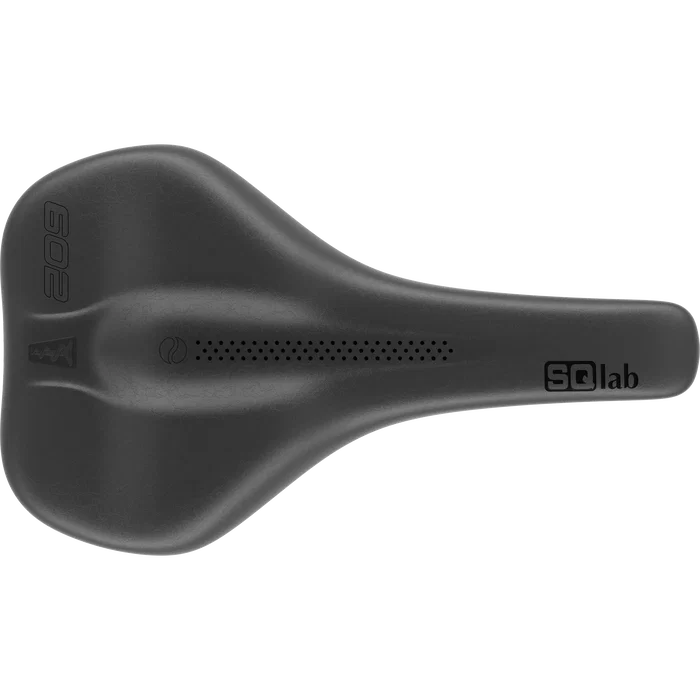
Trekking saddle 602 active 2.1
Comfortable | back-friendly
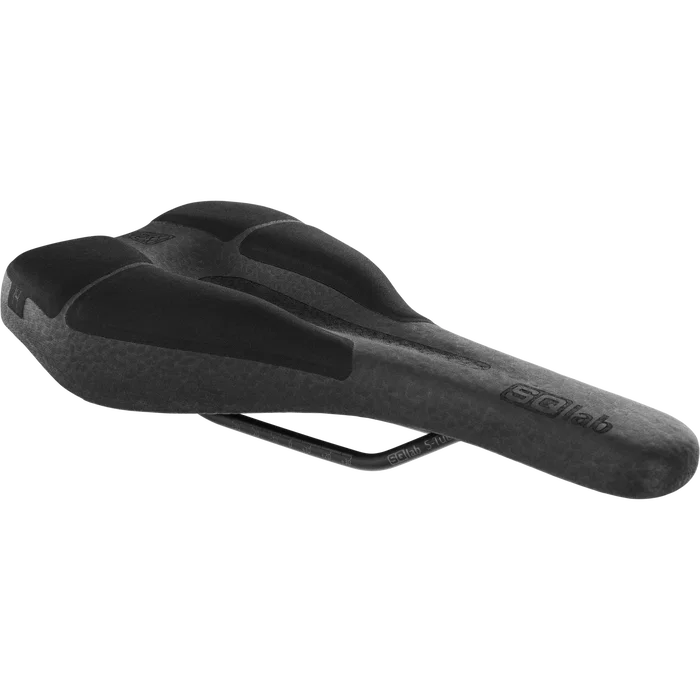

MTB saddle 610 Infinergy M-D active 2.1
Vibration-damping | Maximum relief
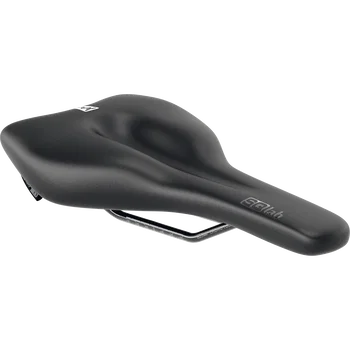
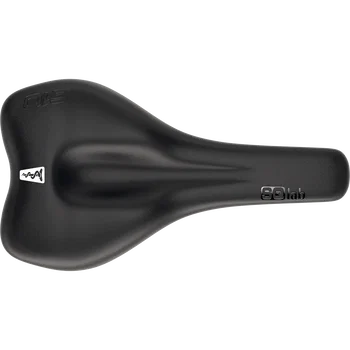
Touring saddle 610 M-D active
Maximum relief| back-friendly
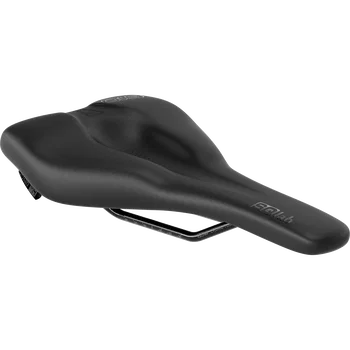
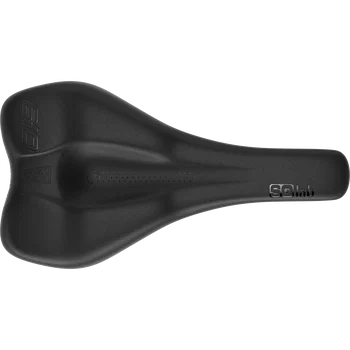
Touring saddle 610 active 2.1
Sporty | back-friendly
What makes a trekking saddle the perfect all-rounder?
A good trekking saddle is designed for people who use their bike for more than just one type of ride. Sometimes it’s a leisurely ride through the day, sometimes a longer trip into the countryside, and on other days the focus is more on athletic training. This is exactly where a trekking bike saddle really shines: it combines comfort with stability and supports an active riding position without being too sporty or too upright.
This makes the Trekking saddle the ideal all-rounder, striking a balance between comfortable seating and efficient pedaling. At SQlab, the range extends from Trekking Comfort to Trekking Sport, depending on whether you prefer a relaxed or dynamic ride.
How does a trekking bike saddle differ from a city bike and gravel bike saddle?
A city bike saddle is primarily designed for short, comfortable rides around town. The riding position is usually very upright, with a clear focus on comfort. A gravel bike saddle, on the other hand, has a much sportier design and is intended to deliver the best possible performance on both asphalt and gravel.
The trekking bike sits right in between these two worlds. It is versatile, suitable for touring, and built for longer rides. That’s why the right saddle for a trekking bike needs to do more: it should offer comfort, provide reliable support for the sit bones, and at the same time ensure even pressure distribution so that even longer distances remain comfortable.
:grayscale(false):quality(10):blur(20):format(webp) "SQlab Trekking Lifestyle")
Are trekking saddles also suitable for e-bikes?
:grayscale(false):quality(10):blur(20):format(webp) "SQlab Trekking Lifestyle")
Yes, many of our trekking saddles are also suitable for use on e-bikes. This is particularly important because e-bikes often encourage longer rides, which automatically means more time in the saddle.
For you, this means: If you drive a trekking bike with a motor, it’s worth taking a closer look at models that suit both the typical trekking riding position and e-bike use. A good saddle for trekking bikes and e-bikes supports both comfort and ergonomics, especially if you regularly cover longer distances.
How do you sit properly on a trekking bike, and how do you adjust the saddle?
The right adjustment starts with a simple foundation: The front of the saddle should first be positioned horizontally. From there, you can gradually find your ideal position in small steps.
You’ll notice pretty quickly if the saddle is adjusted correctly: Your pedaling motion feels smooth and fluid, your weight is evenly distributed across the saddle, pedals, and handlebars, and your sit bones rest firmly on the intended contact surface. As an additional guideline from SQlab: When the cranks are horizontal, the knee is often slightly in front of the pedal axle in a well-balanced position.
:grayscale(false):quality(10):blur(20):format(webp) "sqlab-trekking-lifestyle")
FAQs: Frequently Asked Questions About Trekking Saddles
With SQlab, the appropriate saddle width isn’t determined solely by the measured sit-bone distance, but always by a combination of the sit-bone distance and the intended use or bike type.
For a trekking saddle, the rule is: Add 3 cm to the measured sit-bone distance.
In this case, that means:
11 cm seat bone distance + 3 cm = 14 cm
The appropriate saddle width for a trekking saddle is therefore 14 cm.
You can easily measure your seat bones from home using our home measurement kit, it’s simple and straightforward.
It’s best to start with a middle position and adjust the saddle position only in small increments. The goal is a smooth pedaling motion, a stable riding position, and balanced weight distribution between the saddle, pedals, and handlebars.
The position of your knees provides a practical guide: When the cranks are horizontal, your knee is often slightly in front of the pedal axle in a well-balanced riding position.
Not necessarily. With a trekking saddle, ergonomics are the top priority: the right width, a well-designed shape, and targeted pressure relief. Materials like BASF Infinergy® can further enhance the riding experience, but they are no substitute for a good fit.
While a leather saddle has its own character, it also comes with some drawbacks in everyday use and on longer rides. Leather requires a lot of maintenance and can become brittle or develop cracks if not cared for regularly. It is also more susceptible to moisture, sweat, and mold. In addition, a leather saddle usually takes a long time to break in, as the material is significantly stiffer than modern alternatives at the start.
No. More important than the traditional distinction between women’s and men’s models is an anatomically appropriate saddle width. That’s exactly why we at SQlab rely on a unisex concept based on individual sit bone width rather than general gender assumptions.
So what matters isn’t whether a trekking saddle is labeled as a women’s or men’s model, but whether it truly fits your anatomy and riding position.
No. On long rides, it’s less about having the softest possible padding and more about ensuring that your sit bones are properly supported and that pressure is relieved from sensitive areas.
A saddle that is too soft can actually feel more uncomfortable over time because it offers less stability and distributes pressure unevenly. For long-term comfort, an ergonomically shaped trekking saddle with the right width is therefore usually the better choice.
Why is an SQlab trekking saddle worth it?
If you’re not just looking for any old soft saddle, but an ergonomically SQlab trekking saddle, we offer a clear approach: measure, select the right fit, and adjust precisely.
Our trekking saddles are based on over 20 years of research and studies. They are developed in collaboration with cycling physicians, sports scientists, and professional athletes. This builds trust and provides you with guidance when you’re looking for a trekking saddle for everyday use, touring, or your e-bike.
:grayscale(false):quality(10):blur(20):format(webp) "SQlab City 621 active")
:grayscale(false):quality(10):blur(20):format(webp) "SQlab 6OX 2.2")
:grayscale(false):quality(10):blur(20):format(webp) "sqlabeinsatzbereichmasonrykids658x496px")
:grayscale(false):quality(10):blur(20):format(webp) "SQlab 612 R")
:grayscale(false):quality(10):blur(20):format(webp) "SQlab City 610 active")
:grayscale(false):quality(10):blur(20):format(webp) "sqlabeinsatzbereichmasonrygriddirt424x424px")
:grayscale(false):quality(10):blur(20):format(webp) "SQlab Gravel Lifestyle")
:grayscale(false):quality(10):blur(20):format(webp) "SQlab Gravel 614 active")
:grayscale(false):quality(10):blur(20):format(webp) "sqlab.triathlon.sudelfeld.2024.by.UrsGolling.0193")