


Saddle comparison: Which models suit your needs?
Compare up to three saddles side by side and see the key differences at a glance. Review their intended use, saddle shape, available widths, materials, weight, technologies and other technical specifications. You do not need to know your sit bone distance to use the comparison. Measurements only become relevant when you are ready to select the correct width of your preferred model.
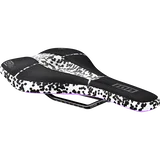
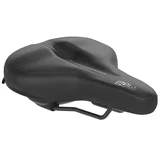
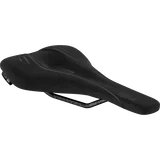
Which saddles can you compare?
The saddle comparison allows you to select up to three saddle models and view their features side by side. Compare intended use, available widths, saddle shape, materials, weight, dimensions, maximum load and technical features to see how the selected models differ and which characteristics matter for your requirements.
You do not need to know your sit bone distance or required saddle width before using the comparison. Start by selecting the models that interest you and compare their technical specifications. Measurements are only needed afterwards, when you are ready to choose the correct width of your preferred model.
Which features matter when comparing saddles?
Start by checking the intended use of each saddle. A model designed for city riding and everyday use has different requirements from a trekking, mountain bike, gravel, road or triathlon saddle. Intended use therefore provides a useful first indication of whether a model is suitable for your bike and riding style.
You can then compare saddle shapes and technologies. Depending on their intended use, our models feature different stepped saddle designs and equipment. Selected models also include active technology, which allows a defined degree of lateral pelvic movement.
Materials, weight and maximum load can also help you decide. A lower weight may be relevant for performance-focused riders, but it should not be considered in isolation. Also compare the saddle shell, rail material, padding, available widths and maximum load. These specifications may vary between models and saddle widths.
Do you need to know your saddle width before comparing models?
No. You do not need a sit bone measurement to compare the saddle models. You can first assess the selected saddles by intended use, shape, technologies, materials, weight and other technical specifications.
Your sit bone distance only becomes relevant once you have narrowed down your options and need to determine the correct width of your preferred model.
The recommended saddle width is calculated using your measured sit bone distance plus an allowance based on your riding position or intended use. You can measure your sit bone distance at home using our measurement kit.
How should you compare the selected saddles?
Begin with the characteristics that are essential for your intended use. First check whether the selected models are designed for your type of bike and riding style. Then compare their shapes, technical features and available widths.
Evaluate materials and weight in the next step. The lightest saddle is not automatically the most suitable one. Depending on how you ride, support, freedom of movement, padding, maximum load or a particular technology may be more important.
Technical specifications should therefore be considered together rather than as isolated values.
Once you have narrowed your selection down to one or two models, measure your sit bone distance and check which saddle is available in the required width.
What are the most common questions about the SQlab saddle comparison?
You can select up to three saddle models and compare their features and technical specifications side by side.
No. Weight is only one comparison criterion. The saddle should first suit your intended use and be available in the width you need. You can then assess its weight, materials, padding and features.
Active technology allows a defined degree of lateral pelvic movement. Different versions and adjustment options are used depending on the intended application. The comparison shows which selected models feature this technology.
What should you consider before making your final choice?
We offer saddle models for different bike types, riding positions and requirements. The side-by-side comparison helps you narrow down suitable models using consistent technical information. Before making your final choice, determine the saddle width you need.
What to consider when buying:
Intended use: Choose a model designed for your type of bike and riding style.
Saddle shape and technologies: Compare the different concepts and decide which features are relevant to you.
Materials and weight: Consider these alongside maximum load, padding and intended use.
Technical compatibility: Check the dimensions, saddle rails and specified tightening torque.
Measurement: Once you have selected your preferred saddle, measure your sit bone distance to determine the correct saddle width.
Purchase: Choose the saddle in the correct width, add it to your basket and get ready for your next ride.
Select up to three saddles, compare their features and narrow down your options.