:grayscale(false):quality(10):blur(20):format(webp) "SQlab Lab 2025 Vermessung Measurement")
:grayscale(false):quality(10):blur(20):format(webp) "phntm_lab_4")
:grayscale(false):quality(10):blur(20):format(webp) "sqlab.startseite.menu.teaser.materials.technology")
:grayscale(false):quality(10):blur(20):format(webp) "sqlab.startseite.menu.teaser.research.development")
:grayscale(false):quality(10):blur(20):format(webp) "sqlab.startseite.menu.teaser.store.locator")
:grayscale(false):quality(10):blur(20):format(webp) "SQlab Trail 411 Innerbarends")
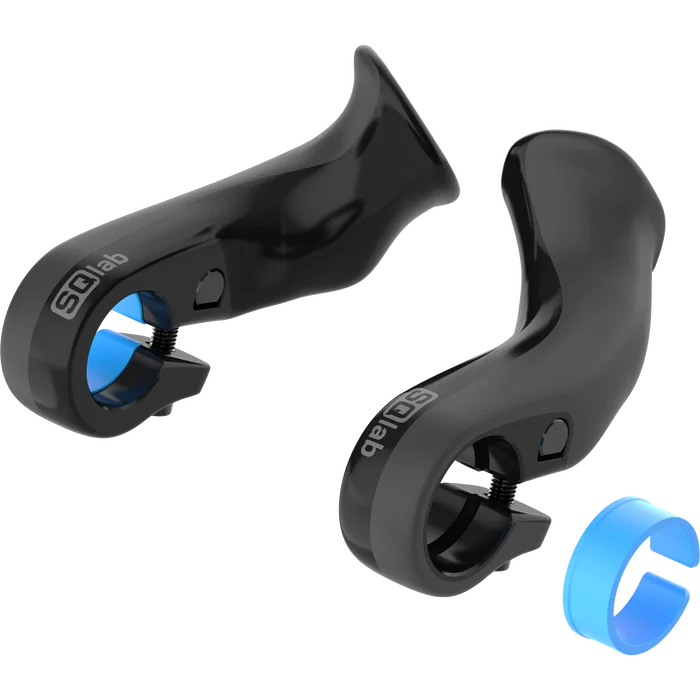
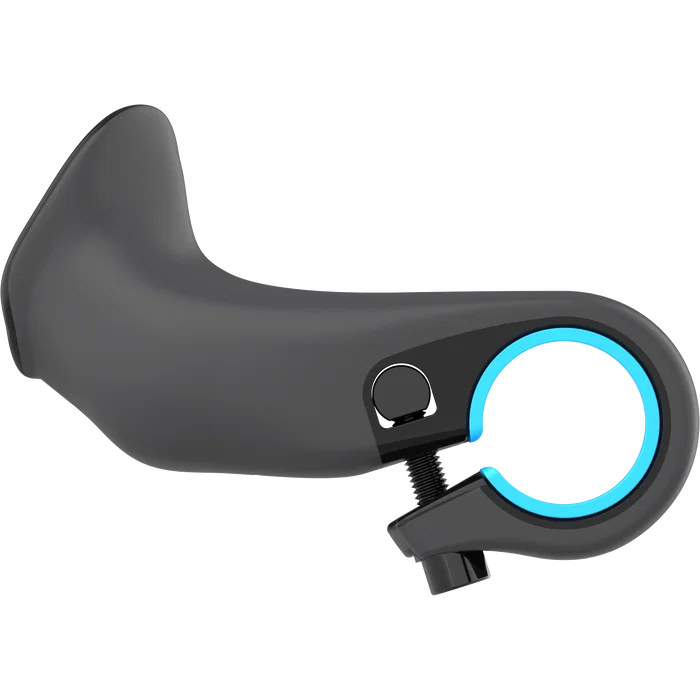
Trekking bike Innerbarends 410 3.0
Relieving | clampable with grips
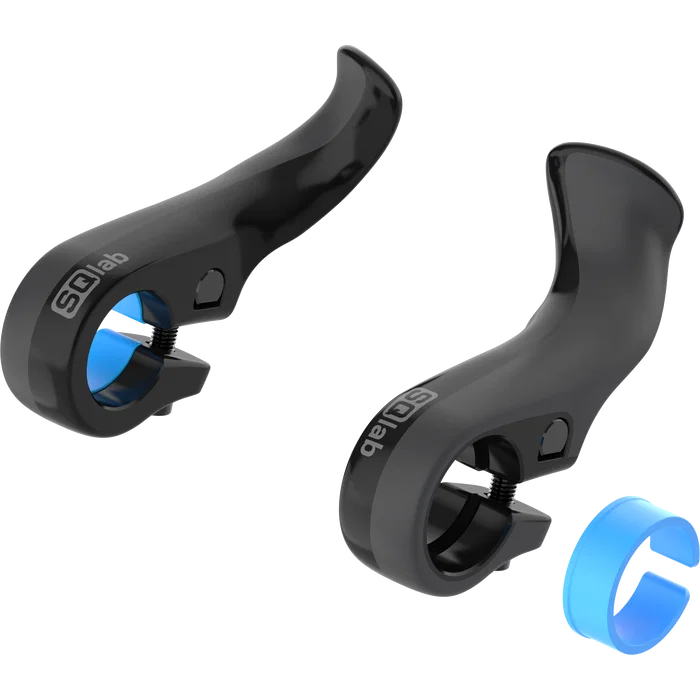
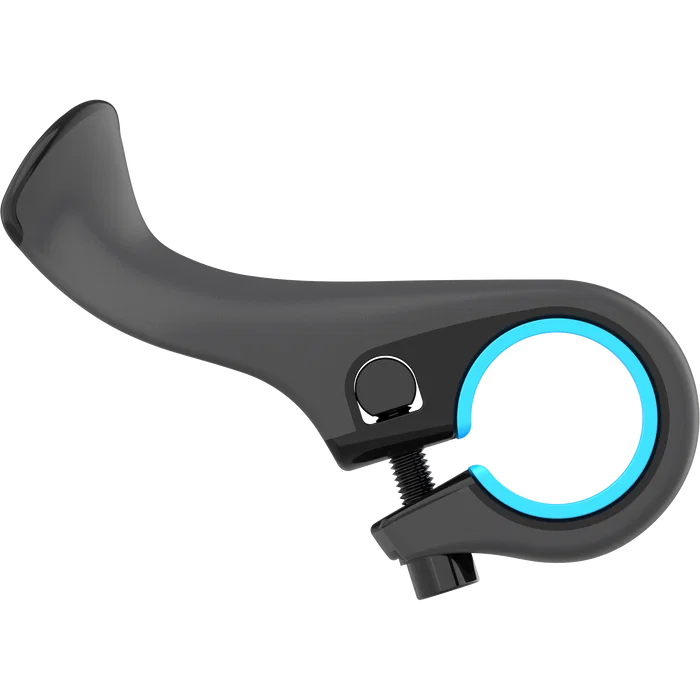
MTB Innerbarends® 411 3.0
Relieving | aerodynamic posture
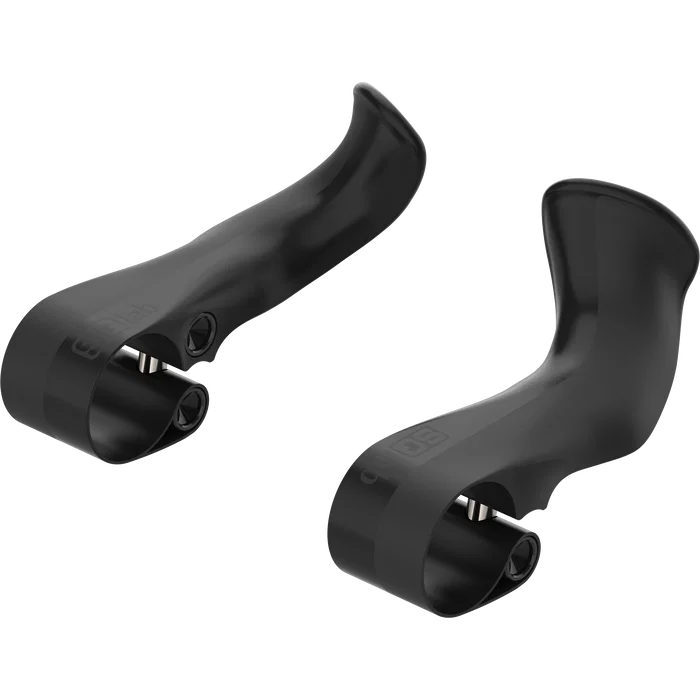
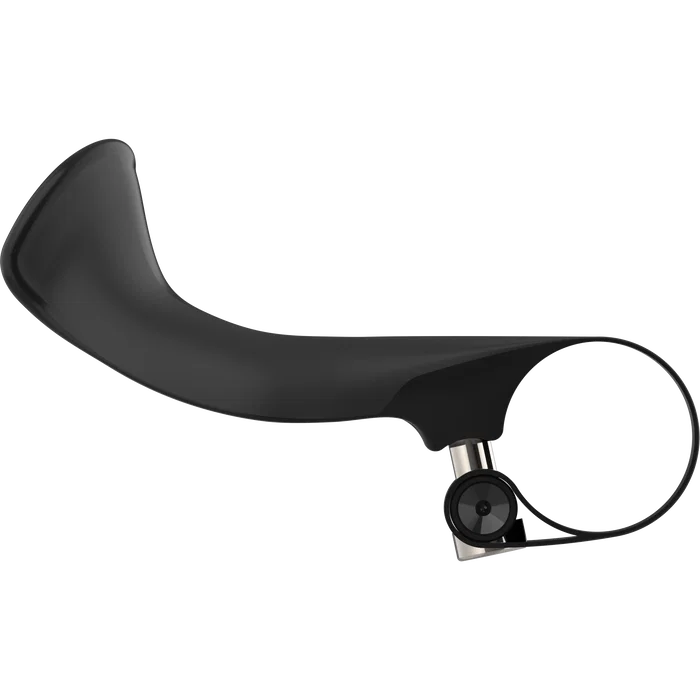
MTB Innerbarends® 411 R Carbon
Relieving | aerodynamic posture
Innerbarends: for More Hand Positions and Greater Comfort
Innerbarends are compact bar ends that sit on the inside of a flat handlebar, positioned next to the grips rather than at the outer ends like traditional bar ends. That is exactly where the name comes from: they are mounted towards the centre of the handlebar. This creates an additional hand position that complements a conventional flat bar without replacing it.
The result is greater freedom to change your grip, a straighter wrist angle and a slightly more open shoulder position. On long rides, into headwinds or on climbs, this can improve comfort and control while helping to relieve strain on the wrists, shoulders and neck. We currently offer three pairs of Innerbarends, each with its own shape, material construction and intended use.
What are Innerbarends used for?
A straight handlebar only provides a single primary hand position. When you spend hours in the saddle, the same nerves and muscle groups in your hands and forearms remain under constant load. Innerbarends solve this by introducing a second hand position. When switching grip, the hands rotate into a more natural angle, similar to a relaxed handshake position. This helps relieve pressure on the palms and can support more efficient power transfer while pedalling.
On touring bikes, trekking bikes and flat-bar gravel bikes in particular, these inboard bar ends are a popular upgrade for riders who value comfort and control over long distances.
:grayscale(false):quality(10):blur(20):format(webp) "SQlab Trekking 402/410 INNERBARENDS")
Can I fit Innerbarends to any handlebar?
:grayscale(false):quality(10):blur(20):format(webp) "sqlab-trekking-lifestyle")
Innerbarends are designed for straight handlebars and clamp to the bar on the inside of the grips. Compatibility depends on having a suitable clamping area and sufficient space for grips, brake levers and shifters.
For the Innerbarends® 2.0, the clamp replaces the inner lockring clamp of SQlab grips, meaning no additional handlebar space is required. The Innerbarends® can also be used with grips from other manufacturers. Depending on the grip design, however, additional handlebar space may be needed.
Before purchasing, check both your handlebar diameter and the available clamping area. This ensures the Innerbarends® can be installed correctly and positioned for optimal ergonomic benefit.
What are the benefits of Innerbarends?
The main advantage is the additional hand position, allowing riders to vary their grip throughout a ride. The inward hand placement can also encourage a more relaxed upper-body posture by positioning the hands closer together and at a more natural angle.
Unlike traditional bar ends mounted at the ends of the handlebar, brake and gear controls remain within easy reach. On climbs, the alternative grip position can provide extra leverage and improve control. Depending on the model, ergonomically shaped support surfaces can also improve pressure distribution across the palm.
As a lightweight and easy-to-install upgrade, Innerbarends can noticeably enhance riding comfort without the need to replace the entire handlebar.
:grayscale(false):quality(10):blur(20):format(webp) "SQlab Trekking Lifestyle")
FAQ: Frequently Asked Questions About Innerbarends
Innerbarends are suitable for any bike with a straight handlebar, including trekking bikes, touring bikes, city bikes, mountain bikes and flat-bar gravel bikes.
They are particularly beneficial on long rides or routes with significant climbing, where maintaining a single hand position for extended periods can become uncomfortable. For commuters, they provide welcome variation during daily rides, while touring riders benefit from reduced repetitive strain.
They are not designed for road bikes with drop bars, as those handlebars already offer multiple hand positions. Riders who spend long periods seated on a flat-bar bike generally experience the greatest benefit from the additional grip option.
The key difference lies in their mounting position.
Traditional bar ends are installed at the outer ends of the handlebar and extend forwards. Innerbarends are mounted beside the grips, closer to the centre of the handlebar, creating a more inward hand position.
This has two main effects. First, it brings the hands closer together, helping create a more compact riding posture that can be particularly useful into headwinds and on climbs. Second, it keeps the hands closer to the controls, ensuring easier access to braking and shifting.
While traditional bar ends tend to stretch the rider forwards, Innerbarends promote a more upright and controlled riding position.
Numb hands are often caused by prolonged pressure on the nerves within the palm when the same hand position is maintained for long periods.
Innerbarends provide an alternative grip position that rotates the hands into a more natural angle and shifts pressure onto different contact points. By regularly changing hand position, pressure is no longer concentrated on one area for extended periods.
For many riders, this can significantly reduce numbness and discomfort.
Depending on the model, Innerbarends typically combine a robust aluminium clamp with an ergonomically shaped support platform.
Aluminium offers an excellent balance of low weight and high stiffness, ensuring reliable support even when pulling hard on climbs. The support surfaces are designed to spread pressure across the palm rather than concentrating it in a single area.
When choosing a model, pay attention to handlebar compatibility, clamp diameter.These factors play a major role in comfort, durability and overall performance.
Innerbarends are clamped to the inside of the grips on a straight handlebar, with the support area typically angled slightly upwards and inwards.
The ideal position allows the hand to rest naturally without excessive wrist bend. In many cases, grips need to be shortened or replaced with shorter alternatives to create sufficient mounting space.
Once installed, the clamp bolts should be tightened to the manufacturer's specified torque setting. After your first ride, fine-tuning the angle can further improve comfort and ergonomics.
Brake and shift levers should always remain easily and safely accessible.
The most common compatibility issue arises when the bar ends do not match the handlebar.
Start by checking that your bike uses a straight handlebar with a compatible clamp diameter, as Innerbarends are not suitable for drop bars. You should also consider how much cockpit space is available around your grips and controls.
Riders covering long distances often benefit from larger, ergonomically shaped support areas, while all riders should prioritise a secure clamping system and a design suited to their riding style.
Choosing the right model ensures the best combination of fit, comfort and control.
Why Your Bike Can Benefit from Innerbarends
Innerbarends are one of the simplest ways to improve comfort on a bike with a straight handlebar. By creating a second hand position, these inboard bar ends help reduce hand fatigue on longer rides while providing greater control during climbs.
Explore the three SQlab Innerbarends models and find the option that best matches your handlebar setup and riding style.
:grayscale(false):quality(10):blur(20):format(webp) "sqlab-trekking-lifestyle")
:grayscale(false):quality(10):blur(20):format(webp) "SQlab City 621 active")
:grayscale(false):quality(10):blur(20):format(webp) "sqlabeinsatzbereichmasonrykids658x496px")
:grayscale(false):quality(10):blur(20):format(webp) "SQlab City 310")
:grayscale(false):quality(10):blur(20):format(webp) "SQlab Trekking 810")
:grayscale(false):quality(10):blur(20):format(webp) "sqlab-city-lifestyle")
:grayscale(false):quality(10):blur(20):format(webp) "sqlab-sq-shorts-one10")
:grayscale(false):quality(10):blur(20):format(webp) "sale_trekking")
:grayscale(false):quality(10):blur(20):format(webp) "sqlab-trekking-lifestyle")