




Ergonomics and damping for the best performance
Our ergonomic MTB handlebars ensure the best possible performance thanks to maximum stability and high damping even on the biggest bumps. Our carbon in particular offers the best damping behavior thanks to FL-X technology without sacrificing stability. All this together with our usual focus un the best possible ergonomics thanks to matching backsweeps and rises for your individual setup.
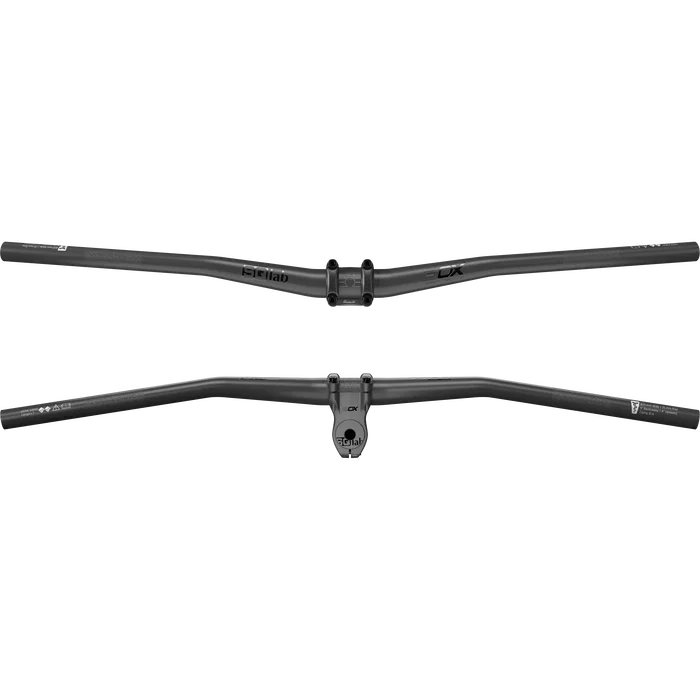
MTB downhill handlebar 3OX Carbon 9°
Light | Robust
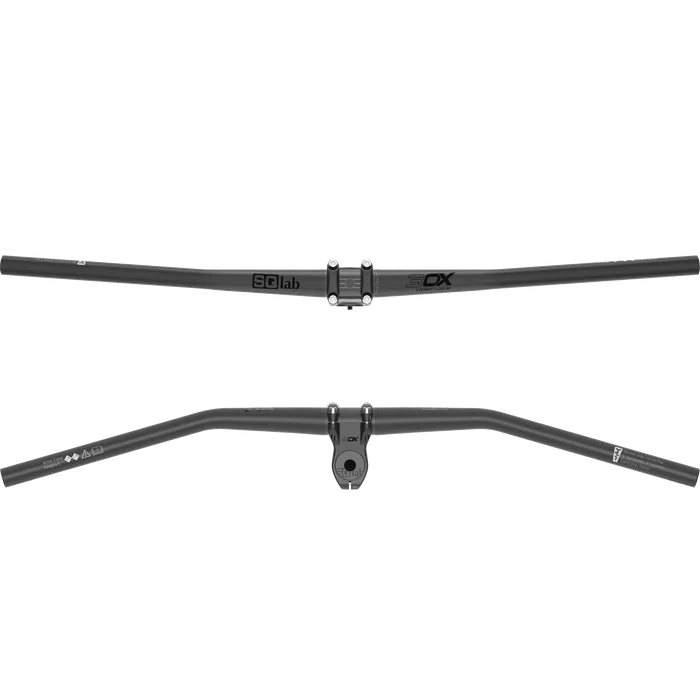
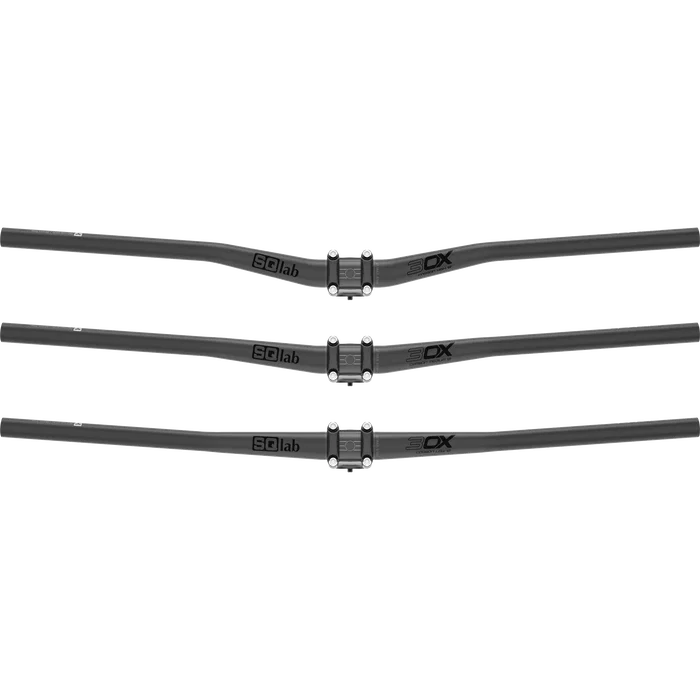
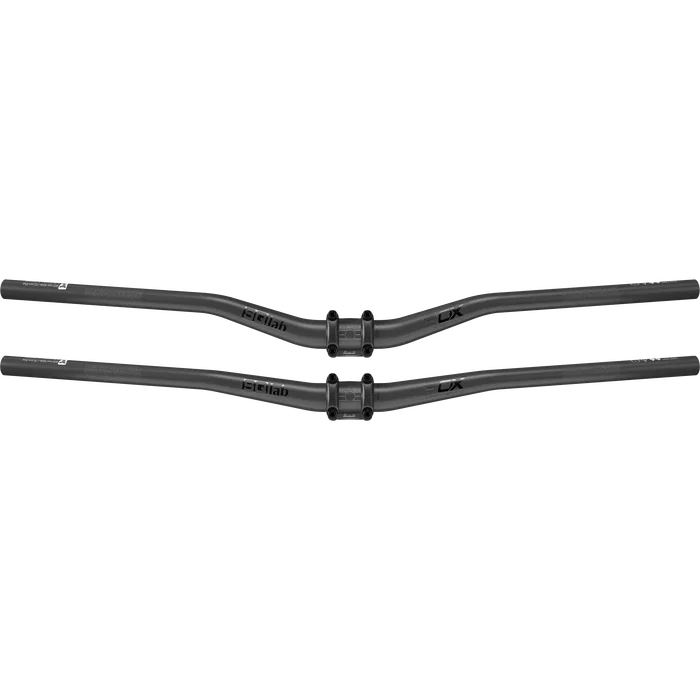
MTB handlebar 3OX Carbon 16°
Robust | shock-damping
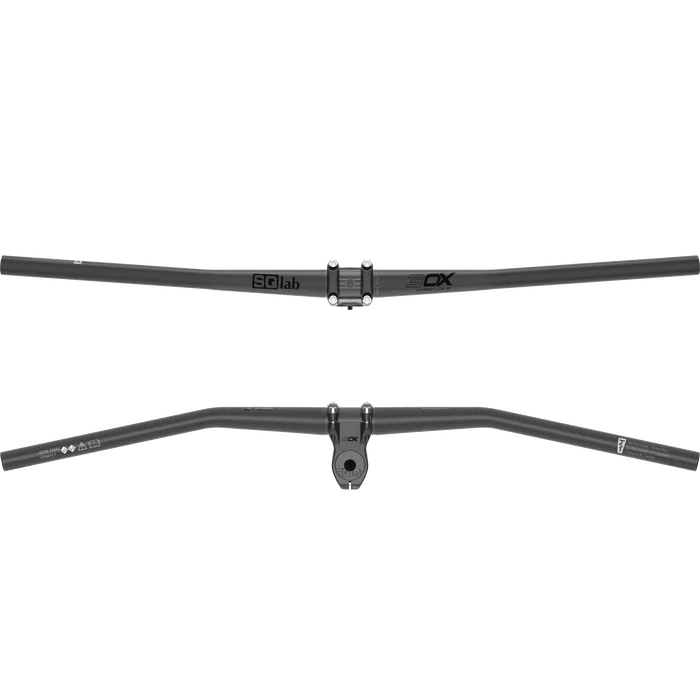
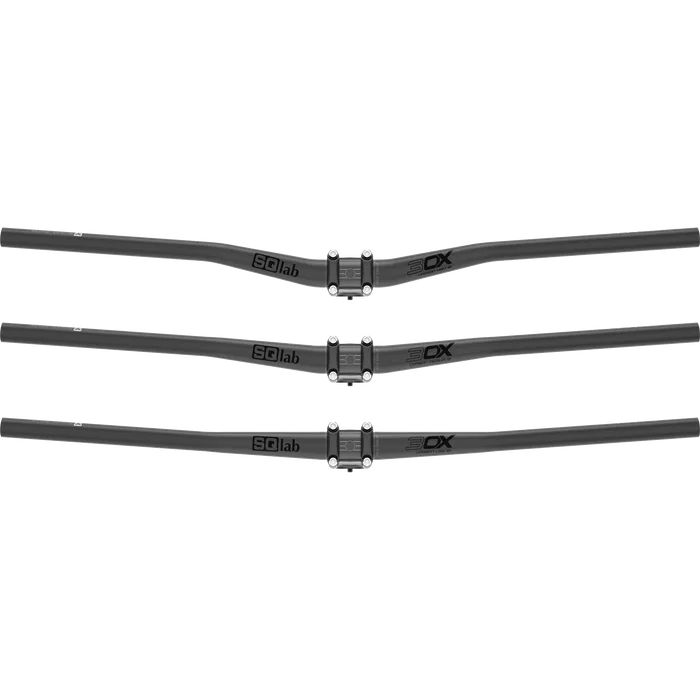
MTB handlebar 3OX Carbon 12°
Robust | shock-damping
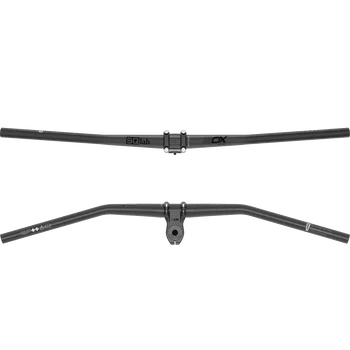
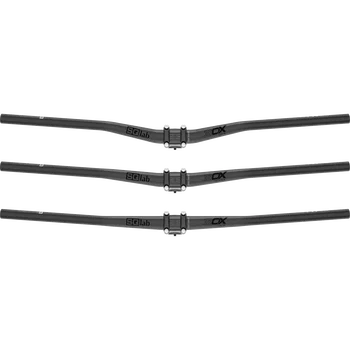
MTB enduro handlebar 3OX 16°
Robust | wrist-friendly
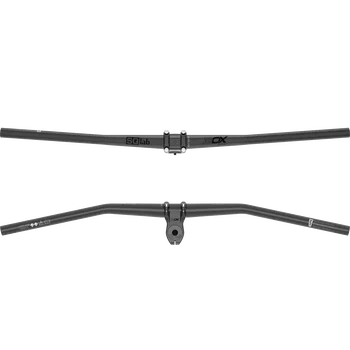
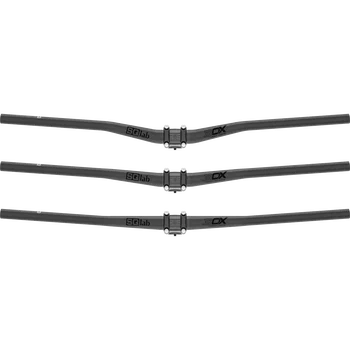
MTB enduro handlebar 3OX 12°
Robust | wrist-friendly
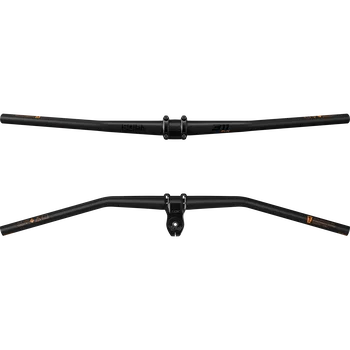
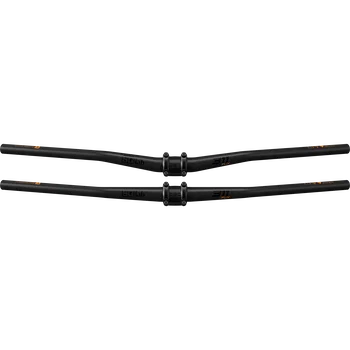
MTB handlebar 311 FL-X Carbon 16°
Light | very flexing
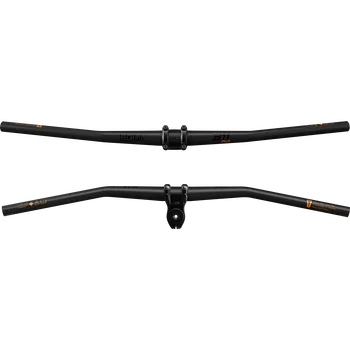
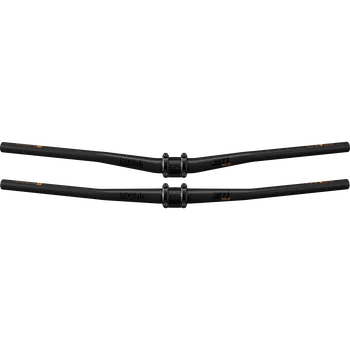
MTB handlebar 311 FL-X Carbon 12°
Light | very flexing
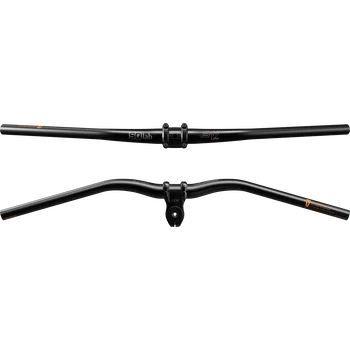
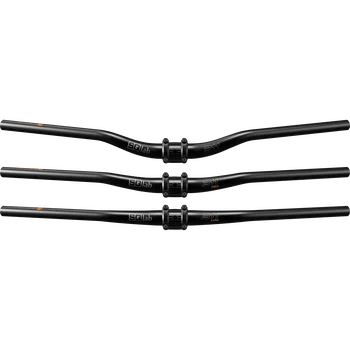
MTB trail bike handlebar 311 2.0 - 31.8
Robust | 15, 25, 50 mm Rise
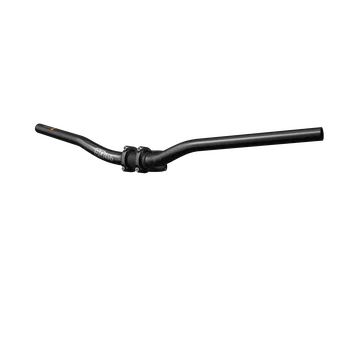
311 Alu 27.0
Trail bike handlebar
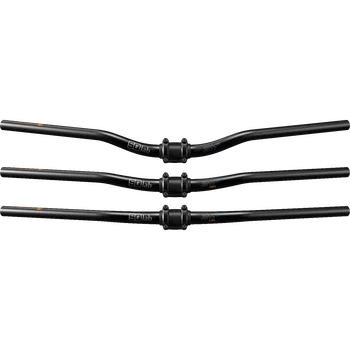
MTB trail bike handlebar 311 2.0 - 27.0
Robust | 15, 25, 50 mm Rise
MTB handlebars for ergonomics, control and your individual setup
The right MTB handlebar plays a major role in how safely and confidently you can control your mountain bike on the trail. It also influences the position of your hands and arms as well as your overall riding position. Your handlebar should therefore suit your intended use, body proportions, riding style and bike geometry.
The most important selection criteria include handlebar width, backsweep, upsweep and rise. Material, clamp diameter and permitted system weight must also be considered.
It is the combination of these characteristics that determines whether a handlebar suits your mountain bike and your individual requirements.
Our mountain bike handlebars are available in different geometries, rise options, widths and materials. This allows you to configure your cockpit specifically for your riding style and choose between different models according to your needs.
How do I find the right handlebar for my mountain bike?
To find the right mountain bike handlebar, match its intended use, riding position and geometry to your individual requirements. A moderate backsweep often suits an active riding position, while a greater rearward angle can support a more upright hand position.
You should also consider the technical approvals. The use category indicates the types of loads for which the handlebar is designed.
Category 3: covers cross-country and marathon riding,
Category 4: covers demanding trail riding,
Category 5: covers downhill, dirt jump and freeride use.
The permitted system weight includes the rider, bike and luggage. For most of our MTB handlebars, the maximum system weight is 120 kg. Always check the specifications of the individual model.

How wide should an MTB handlebar be?
For most riders, a suitable MTB handlebar width is approximately 740 to 800 mm. The right width for you depends on your height, shoulder width, riding position and intended use.
As a starting point, extend your arms forwards in your riding position and measure the distance between the centres of your hands. This grip width provides an initial reference and should then be tested on the bike. A wider handlebar provides more leverage and control, particularly on technically demanding descents. A narrower handlebar creates a more compact cockpit and may feel more comfortable for riders with narrower shoulders or on tight trails. The key is to maintain a natural alignment of the shoulders, arms and wrists while riding.
Which is better for an MTB handlebar: carbon or aluminium?
Whether carbon or aluminium is the better choice depends on the intended use, desired weight, preferred ride feel and budget. An aluminium handlebar is a proven option for a durable and cost-conscious setup. A carbon handlebar can combine lower weight with specifically engineered stiffness, damping or flexibility.
Selected carbon handlebars feature T1K carbon technology. FL-X models are designed with targeted flex that can help dampen vibrations. However, the material alone should not determine your choice. The overall construction, geometry and approval of the individual model are more important.

FAQs: Frequently asked questions about MTB handlebars
Backsweep: This describes how far the handlebar ends sweep backwards. It influences the alignment of the hands and wrists in relation to the handlebar. A greater backsweep can support a more natural hand position when riding in a more upright position.
Upsweep: This describes the upward angle of the handlebar ends. It influences elbow position and therefore the position of the upper body on the bike.
Rise: This is the difference in height between the central clamping area and the grip areas. More rise creates a higher cockpit and a more upright riding position, while less rise supports a lower, sportier position.
Together, these three values define the shape of an MTB handlebar and influence hand position, riding posture and control.
The right backsweep depends on your riding position, bike geometry and preferred hand alignment. Depending on the model, we offer MTB handlebars with 9°, 12° and 16° backsweep. A moderate angle often suits an active riding position, while a greater backsweep may be more appropriate for a more upright position.
The angle indicates how far the handlebar ends are swept backwards.
9° backsweep creates a direct, descent-focused riding position. It is used on our 3OX Carbon 9° for gravity and downhill riding.
12° backsweep offers a balanced combination of a sporty hand position and ergonomics, making it suitable for all-mountain and enduro riding.
16° backsweep provides the greatest rearward angle. It supports a natural grip position and ergonomic wrist alignment, particularly on longer trail, touring and enduro rides.
The right angle depends on your riding position, handlebar width and bike geometry.
No. The most important requirement is that the clamp diameters of the handlebar and stem match. You must also follow the permitted clamping width and the model-specific installation instructions. Separate approvals and requirements apply when adapter sleeves are used.
Find the SQlab MTB handlebar for your riding style
We offer MTB handlebars with different geometries, materials and approvals for a range of intended uses. Choose the model whose technical characteristics match your bike, riding position and individual requirements.
What to consider when buying
Intended use: Check whether the model is approved for your riding discipline and bike.
Handlebar width: Choose a width that suits your body proportions and preferred handling.
Handlebar geometry: Compare the backsweep, upsweep and rise of the available models.
Material: Choose between carbon and aluminium based on intended use, weight, ride feel and budget.
Compatibility: Check the clamp diameter, permitted clamping width, system weight and stem requirements.
Discover SQlab MTB handlebars and compare the available models to find the right setup for you.