




Ergonomics in every detail
Lightweight, compact cockpit, comfortable grip, multiple positions, individual sizing, performance optimised and ergonomic shape. All SQlab concepts in one product.
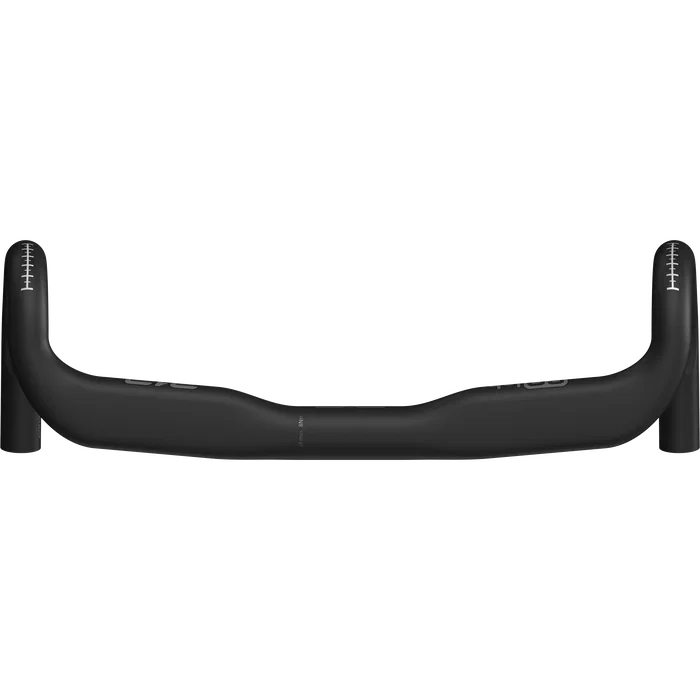
Road bike handlebar 312
Durable | ergonomically shaped
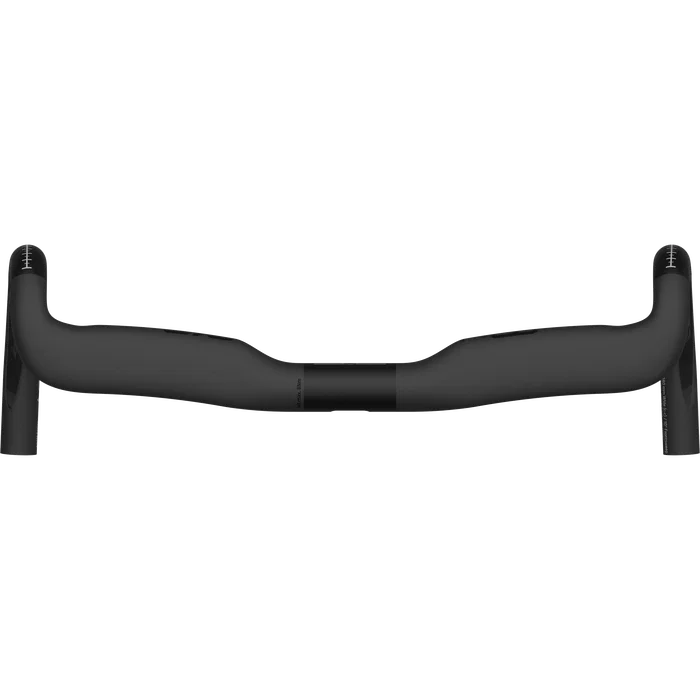
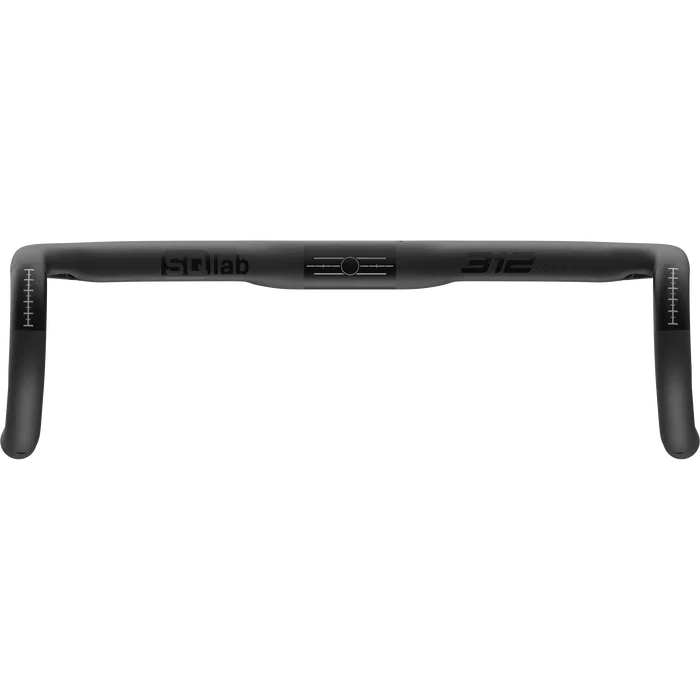
Road bike handlebar 312 R Carbon integrated
Integrated cable routing | light
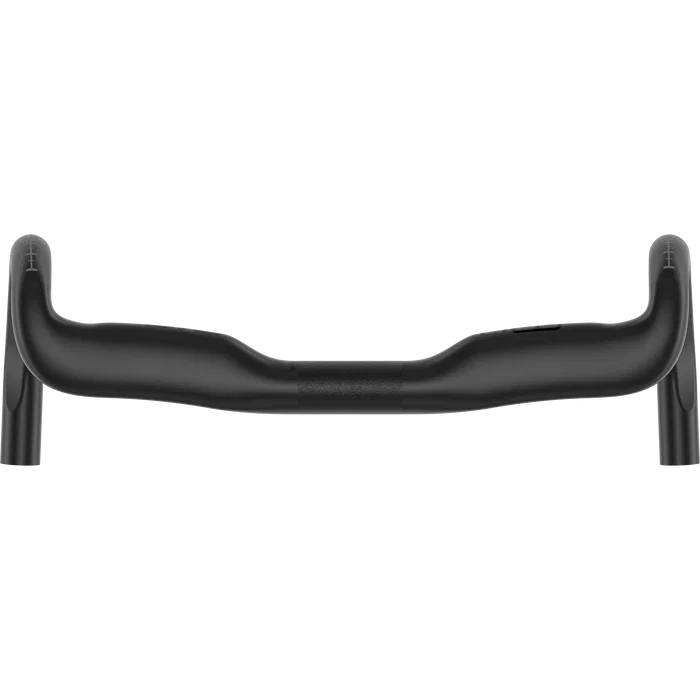
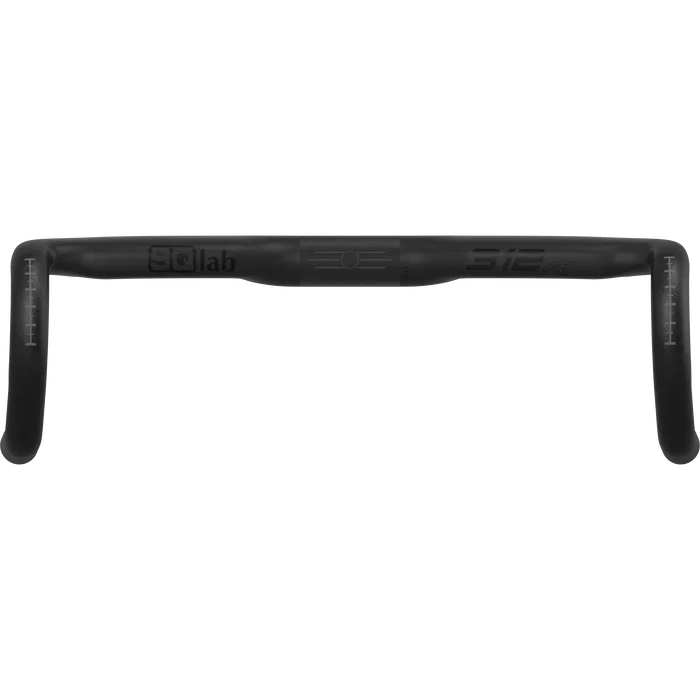
Road bike handlebar 312 R Carbon
Light | ergonomically shaped
Road bike handlebars for an ergonomic and controlled riding position
The right road bike handlebar combines a natural hand position with confident control and a riding position that suits your body and riding style. Key factors include handlebar width and shape, as well as reach, drop, and flare. Compatibility with the stem and shift/brake levers also plays an important role. When these elements are properly coordinated, the controls remain easy to reach and the bike can be handled confidently in a variety of riding situations.
A drop handlebar offers several hand positions: on the tops, on the hoods, and in the drops. This allows you to adjust the position of your hands, arms, and upper body to suit the route, speed, and riding situation.
On longer, steadier sections, the tops provide a more relaxed position. Riding on the hoods gives you direct access to the controls, while the drops support a lower, sportier riding position. Regularly changing your hand position can also help vary the load placed on your hands and wrists.
Our road bike handlebars complement this versatility with ergonomically shaped contact surfaces and geometry tailored to the intended use. The aim is to create a balanced combination of comfort, control, and a sporty riding position, so that the handlebar suits both your road bike and your individual ergonomic requirements.
Which handlebar width is right for my road bike?
The right road bike handlebar width is primarily determined by your individual shoulder width. The reference measurement is the distance between the outer bony points of your shoulders, known as the acromion processes. Choosing a corresponding handlebar width supports a relaxed arm position and controlled handling of the road bike. For a sporty riding position, the handlebar width should be as close as possible to your actual shoulder width. For a more moderate position, the next size up may also be suitable, depending on your preferred level of comfort.
Our available handlebar widths are measured from centre to centre. Due to the flare, the drops may be wider than the area around the shift/brake levers. The figures printed on the handlebar therefore do not tell the whole story. Your body proportions, preferred riding position, and intended use should always be considered together. If you’d like to learn more, you can find further information in our Handlebar Concept.
What makes a road bike handlebar ergonomic?
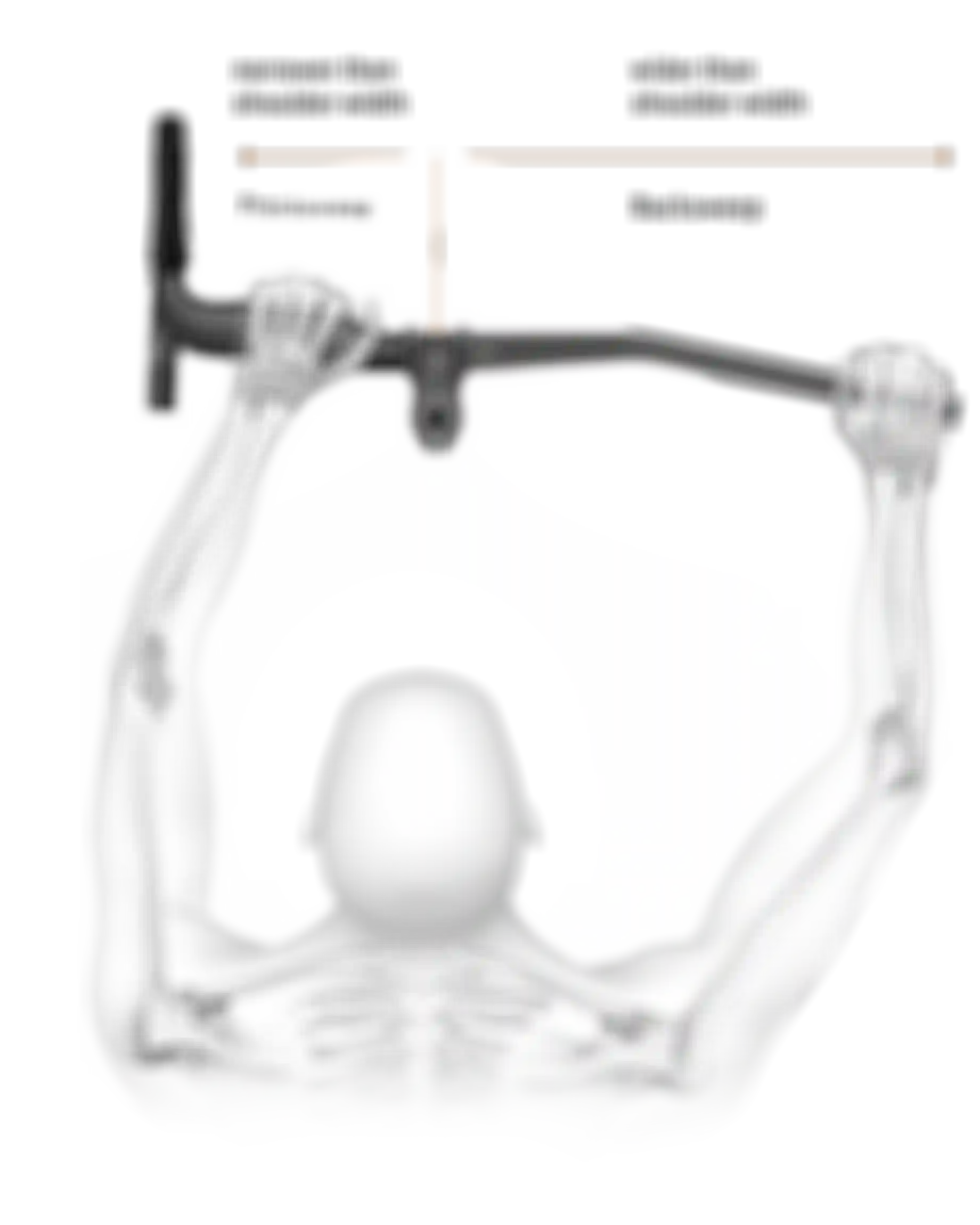
An ergonomic road bike handlebar supports a natural hand and wrist position while distributing pressure across a larger contact area. On our handlebar 312 and 312 R handlebars, a 10-degree front sweep angles the tops forwards. This angle decreases towards the ends of the handlebar, helping to create a straighter transition from the forearm to the hand. The flattened top section provides a larger contact area for the hands, while the slight 1.5-degree flare expands the hand position in the drops.
Reach and drop also affect road bike handlebar comfort. Reach describes the horizontal distance of the handlebar curve, while drop refers to the vertical distance between the tops and the drops. A shorter reach makes the shift/brake levers easier to access, whereas a greater drop enables a lower riding position in the drops. Our 312 R Carbon handlebar has a reach of 80 millimetres and a drop of 120 millimetres. The aluminium 312 road bike handlebar has a reach of 95 millimetres and a drop of 125 millimetres.
Which road bike handlebar shape and material are right for me?
The right handlebar shape depends on your mobility, preferred riding position, and intended use. If you are looking for a compact and sporty position, pay particular attention to reach and drop. A slight flare can provide additional control in the drops, while a larger contact surface distributes pressure more evenly across the hands.
When choosing a material, aluminium is a robust option for training, everyday riding, and budget-conscious setups. Carbon allows for a lighter construction and enables stiffness and vibration damping to be tuned more precisely. For a clean, streamlined cockpit, the 312 R Carbon Integrated is designed for the internal routing of brake hoses and shift cables when used with compatible stems. Regardless of the material, the clamp diameter, permitted clamping width, cable routing, and the compatibility specifications of both the handlebar and stem must match.

FAQs: Frequently Asked Questions about road bike handlebars
Road bike handlebar width is usually measured from the centre of one handlebar end to the centre of the other. You should also check where the manufacturer takes the measurement, as flare can make the drops wider than the tops.
Neither option is inherently better. A narrower handlebar can support a more compact riding position, while a wider handlebar may provide greater leverage and control. The priority is choosing a width that suits your shoulder width, riding position, and riding style. The handlebar widths used by professional riders are therefore not a reliable sizing guide for other cyclists.
Handlebar rotation and shift/brake lever position should allow you to reach the brake levers comfortably while keeping your wrists as straight as possible. Our handlebars feature a centre marking to help with the initial alignment inside the stem clamp. As installation and adjustment are safety-relevant, always follow the product-specific instructions. If you are unsure, have the handlebar installed by a specialist bicycle retailer.
No. The clamp diameter, permitted clamping width, cable routing, and compatibility specifications of both components must match.
Replacing the handlebar may be advisable if its width, reach, drop, or shape does not suit your preferred riding position. After a crash, possible overloading, or if you notice any visible irregularities, the handlebar should be inspected by a qualified professional. If there is any doubt about its condition, it should not be used again without an inspection.
Find the right road bike handlebar for your setup
Our road bike handlebars combine ergonomic shaping with geometry designed for precise control and a comfortable, sporty riding position. Choose the model that matches your body proportions, riding style, and cockpit setup.
What to consider when buying:
Handlebar width that suits your shoulder width
Reach and drop that match your preferred riding position
Flare and top shape for comfortable hand positions and confident control
Aluminium or carbon construction to suit your intended use
Compatibility with the stem, shift/brake levers, and cable routing
Compare the available models and technical specifications to find the road bike handlebar that best fits you and your bike.