:grayscale(false):quality(10):blur(20):format(webp) "SQlab Lab 2025 Vermessung Measurement")
:grayscale(false):quality(10):blur(20):format(webp) "phntm_lab_4")
:grayscale(false):quality(10):blur(20):format(webp) "sqlab.startseite.menu.teaser.materials.technology")
:grayscale(false):quality(10):blur(20):format(webp) "sqlab.startseite.menu.teaser.research.development")
:grayscale(false):quality(10):blur(20):format(webp) "sqlab.startseite.menu.teaser.store.locator")
:grayscale(false):quality(10):blur(20):format(webp) "sqlab-grip-hand-measurement-ergonomic-design")
Grips
Our ergonomic grips are engineered for optimal control and comfort. With SQlab’s Ergobar technology and precise sizing system, they deliver a secure grip and relieve pressure exactly where it counts.
Find your perfect grip
Your hands are your main contact point with the bike. The right grips improve control, reduce pressure and prevent numbness. Based on your riding style, hand size and individual needs, we help you find the grips that fit you best.


Gravel handlebartape 714
Non-slip | vibration damping


Gravel handlebartape 714
Non-slip | vibration damping

Gravel handlebartape 714
Non-slip | vibration damping
:grayscale(false):quality(10):blur(20):format(webp) "SQlab_Measurement_at_home_DSC4157")
Unsure about your grip size?


Road bike handlebartape 712
With size system | Non-slip
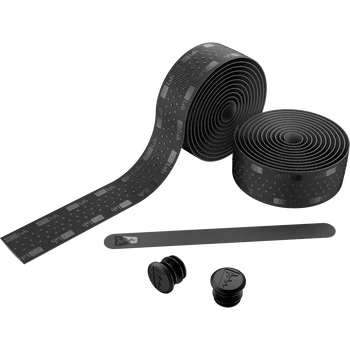
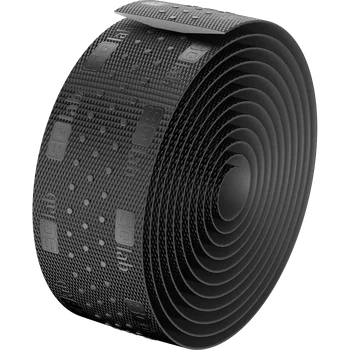
Road bike handlebartape 712
With size system | Non-slip
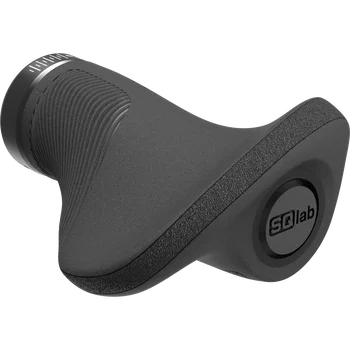

Citybike grips 721 2.0 short
3D Fit | Hand-relaxing
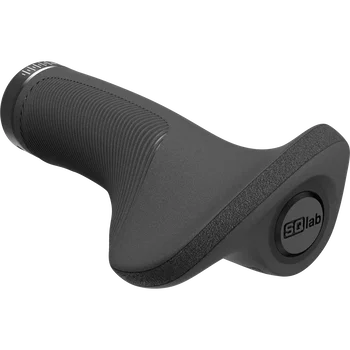

Citybike grips 721 2.0
3D Fit | hand-relaxing

Barend grips Stuby® short
Compatible poignées rotatives


Barend grips Stuby®
Différentes tailles | soulagement


MTB Grip 710 short
Compatible with twist-grip shifters


MTB Grips 710
In different sizes | relieving
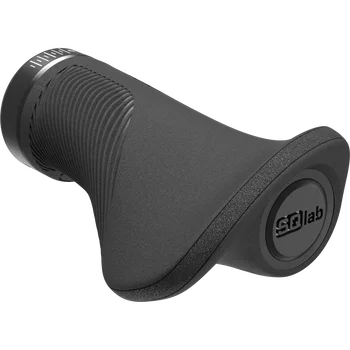

Trekking bike grips 702 2.0 short
3D Fit | Hand-relaxing
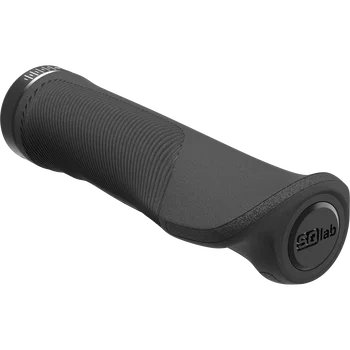

Bike grips 710 2.0
3D fit | Comfortable


Trekking grips 702
In different sizes | relieving
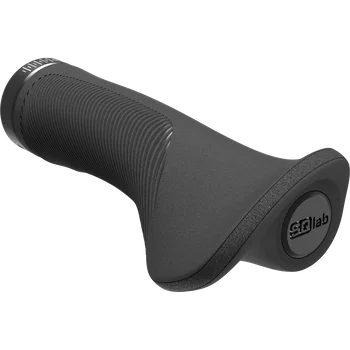
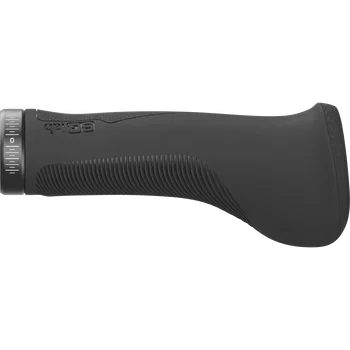
Trekking grips 702 2.0
3D Fit | Hand-relaxing
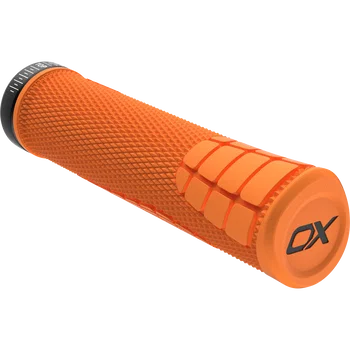
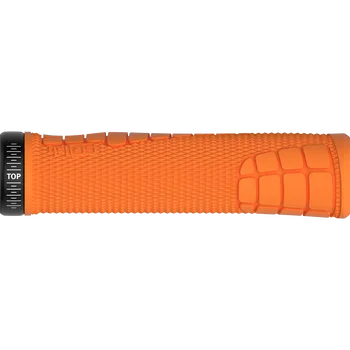
MTB downhill grips 7OX 2.0 Pro
Non-slip | vibration damping
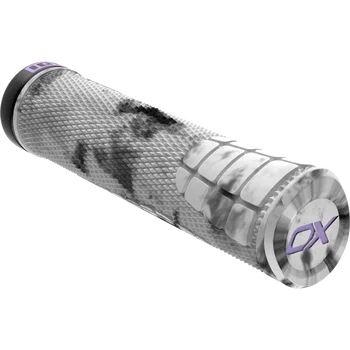
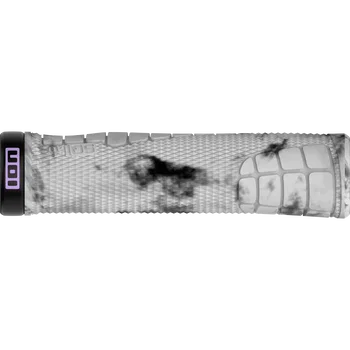
7OX 2.0 Pro ltd. ION
Ergonomic MTB grips
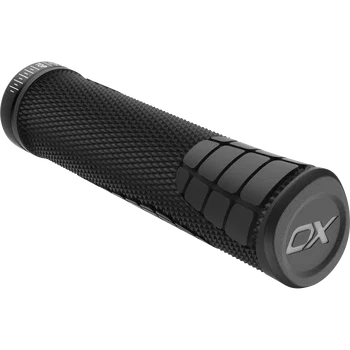
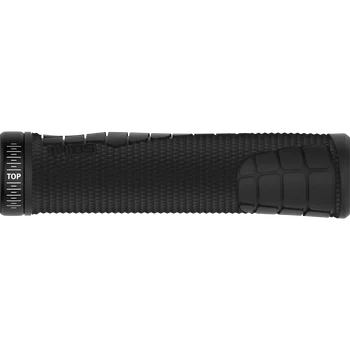
MTB downhill grips 7OX 2.0 Pro
Non-slip | vibration damping
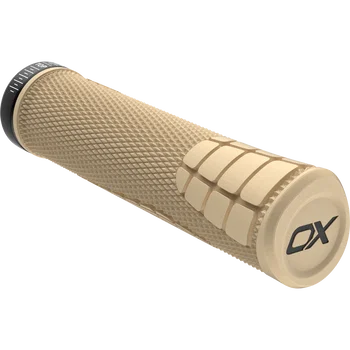
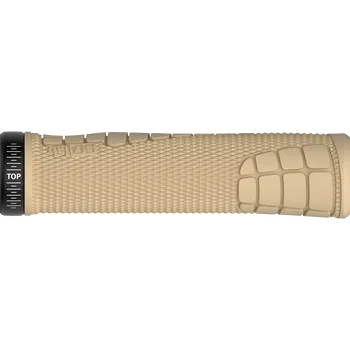
MTB downhill grips 7OX 2.0 Pro
Non-slip | vibration damping
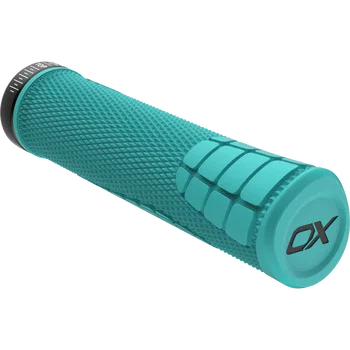
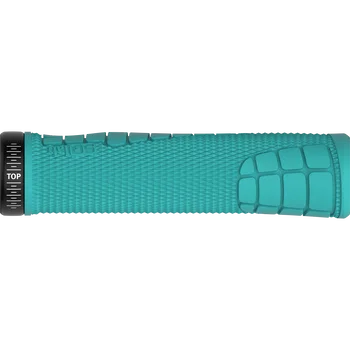
MTB downhill grips 7OX 2.0 Pro
Non-slip | vibration damping
What are bicycle grips, and how do they differ?
Grips and bar tape are the direct connection between rider and bike. Every steering input, braking manoeuvre, and a significant share of the upper body's weight is transferred through the hands. This places continuous pressure on the palm, particularly on sensitive structures such as the ulnar nerve. If the grip shape or size doesn't match the rider's anatomy, discomfort often follows: numb fingers, pressure-related pain, or premature fatigue in the hands and forearms.
The key difference between bicycle grips is not the clamping system or material alone, but how effectively they support the hand and distribute pressure. Conventional round grips concentrate load on a relatively small contact area, which can increase pressure peaks and limit support.
Ergonomic grips are designed to spread pressure more evenly and stabilise the hand in a defined position. Comfort-oriented models such as the 710 feature a pronounced support wing that increases the contact area beneath the palm and can help reduce pressure on sensitive nerve pathways. Performance-focused grips such as the 711 or 7OX follow a different approach: they combine targeted support, grip security, and damping while maintaining a compact profile for precise bike handling and quick hand repositioning on technical terrain.
While the designs vary depending on the intended use, the ergonomic principle remains the same: increasing contact area, reducing pressure peaks, and supporting control without restricting movement.
Are bicycle grips a standard size?
Only to a certain extent. The only standardised dimension is the handlebar diameter in the grip area. On almost all flat and riser handlebars, this measures 22.2 mm, which means most grips will physically fit most handlebars. However, compatibility is only one part of the equation. The factors that determine comfort, control, and ergonomics are not standardised. Grip diameter, length, contact area, damping properties, and surface design can vary significantly between models.
A grip that is too large can make it difficult to securely wrap the fingers around the handlebar, while a grip that is too small often increases gripping force and can place additional stress on the hands and forearms. Both can negatively affect comfort and control, especially on longer rides.
That's why SQlab grips are available in multiple sizes. As hand size increases, the grip grows in both diameter and length to maintain a balanced relationship between fingers, palm, and contact area. The result is a grip that matches the rider's anatomy, helping to distribute pressure more effectively while maintaining a secure and controlled hand position.
:grayscale(false):quality(10):blur(20):format(webp) "sqlab-grip-hand-measurement-ergonomic-design")
How do I find the right bicycle grip for me?
:grayscale(false):quality(10):blur(20):format(webp) "_DSC4151photo_@wolisphoto_Bartek Wolinski")
The most important measurement is your grip width, measured from the tip of the middle finger to the crease between thumb and index finger. This determines how the hand wraps around the grip and helps identify the correct grip size.
That's why SQlab grips are available in different sizes. As size increases, both grip diameter and length grow accordingly, helping to maintain a balanced relationship between fingers, palm, and contact area.
To determine the right size, SQlab offers a free measuring kit that allows riders to measure their grip width easily at home.
Once the correct size has been identified, the intended use becomes the deciding factor. Comfort-oriented grips such as the 710 provide a larger support area for longer rides and everyday use, while more compact models like the 711 or 7OX, which are available in multiple color ways, are designed for precise handling and direct bike control on the trail.
Numb Hands While Cycling? The Grip Shape Matters.
Numb, tingling or dead fingers are among the most common complaints on the bike. In many cases, the cause is excessive pressure on sensitive nerves in the hand, particularly the ulnar nerve at the base of the little finger. Conventional round grips concentrate pressure on a relatively small contact area, which can lead to discomfort and numbness over time.
Ergonomic grips address the issue at its source. Instead of a purely round profile, they provide a larger support area that helps distribute pressure more evenly across the hand. Features such as the Ergobar, a wave-shaped contour on the underside of the grip, support the natural position of the fingers and create a defined contact point for improved grip security. The result is a more comfortable hand position with reduced pressure peaks in sensitive areas.
For riders spending long hours in the saddle, Innerbarends® can provide additional relief. Mounted next to the grips, they create an alternative hand position that promotes a more natural arm and wrist alignment. Changing hand position regularly can help reduce continuous loading on the same contact points and increase comfort on longer rides.
:grayscale(false):quality(10):blur(20):format(webp) "sqlab-grip-hand-measurement-ergonomic-design")
FAQs: Common questions about bike grips and bar tape
Almost all our bike grips are lock-on grips, which makes swapping them especially straightforward. You simply loosen the Allen bolt on the clamp collar with a 3 mm or 4 mm hex key, give the grip a gentle twist and slide it off the bar. No glue, wire or spray cleaner needed, because the grip is clamped mechanically rather than pushed on. You'll only need spray cleaner if you're removing a grip from another brand that was fitted the old-fashioned way. Slide the new grip on (check that "Top" faces upwards), line it up and tighten the bolt to the stated torque, and you're done. With a wing grip like the 710 2.0 , just make sure the support wing points slightly downwards, so the heel of your hand sits cleanly on it.
Grips usually turn sticky or slippery because of low-grade rubber compounds, sun exposure and hand sweat, all of which break the material down. Higher-quality, UV-resistant compounds hold their surface far longer. That's why we rely on hard-wearing materials with strong rebound that give a long service life and stop the grip rubber from going tacky. Lock-on grips sidestep the slipping problem altogether, since they're clamped firmly to the bar.
That comes down entirely to the shape of the handlebar. Straight bars on mountain, trekking and city bikes take grips; the curved drop bars on road and gravel bikes take bar tape. On drop bars you hold on in several places, so the whole surface has to be wrapped. A flat bar, by contrast, only needs a defined, ergonomically shaped rest at the ends.
MTB grips are built for control: more compact, with a grippy texture and, in some cases, thicker padding to soak up hits off-road, as with the 711 or 70X 2.0 Pro. City and trekking grips like the 710 put comfort first on longer, calmer rides, working with a large support wing that props up the heel of the hand across a broad area. The ergonomic idea behind them is the same; what shifts is the balance between cushioning and quick repositioning, depending on the ride.
Measure your grip width from the tip of your middle finger to the crease of your thumb, then choose S, M or L accordingly. Too small and your hand cramps up; too large and you lose your hold. Order our free measuring kit and it'll be with you within one to three working days.
On the curved bars of road and gravel bikes, bar tape does the job of the grip. What counts is grip in the wet, cushioning and wrap thickness. Our 712 road bar tape uses a diamond-like texture for a secure hold in any weather, whilst the 714 gravel bar tape adds a micro-vibration-absorbing intermediate layer that takes the sting of rough gravel out of your wrists. Thanks to the nub system, you can adjust the wrap thickness across sizes S, M and L to match your hand.
Why choose bicycle grips from SQlab?
We didn't develop our grips and bar tape as accessories, but as ergonomic contact points, grounded in hand measurements, pressure testing and VSF certification for outstanding ergonomics. The three-dimensional sizing system tailors circumference, length and support wing to your hand, rather than making you fit a standard shape. Whether you're a city commuter, out on a gravel adventure or dropping into an enduro descent, you'll find the grip or bar tape here that lifts pressure off the nerves and gives you the control you need on every mile. Measure your grip width, choose how you ride and find the model that fits. So what are you waiting for?
:grayscale(false):quality(10):blur(20):format(webp) "sqlab3OXCarbonmtbmadeira2025byUrsGolling0009-01")
:grayscale(false):quality(10):blur(20):format(webp) "sqlab-mtb-black-white-saddle-ION")
:grayscale(false):quality(10):blur(20):format(webp) "sqlabeinsatzbereichmasonrykids658x496px")
:grayscale(false):quality(10):blur(20):format(webp) "SQlab City 410/402 Innerbarends")
:grayscale(false):quality(10):blur(20):format(webp) "sqlabrennrad2024byUrsGollinger0167")
:grayscale(false):quality(10):blur(20):format(webp) "SQLAB 50X Pedal")
:grayscale(false):quality(10):blur(20):format(webp) "SQlab Gravel Lifestyle")
:grayscale(false):quality(10):blur(20):format(webp) "sqlab_gravel_sale")
:grayscale(false):quality(10):blur(20):format(webp) "SQlab Gravel SQ-Shorts ONE11")