:grayscale(false):quality(10):blur(20):format(webp) "SQlab Lab 2025 Vermessung Measurement")
:grayscale(false):quality(10):blur(20):format(webp) "phntm_lab_4")
:grayscale(false):quality(10):blur(20):format(webp) "sqlab.startseite.menu.teaser.materials.technology")
:grayscale(false):quality(10):blur(20):format(webp) "sqlab.startseite.menu.teaser.research.development")
:grayscale(false):quality(10):blur(20):format(webp) "sqlab.startseite.menu.teaser.store.locator")
:grayscale(false):quality(10):blur(20):format(webp) "sqlabergonomischerrennradsattel612ergowaver-lifestyle-7")
Road
For those who want more: Our lightest components combine maximum efficiency with smart ergonomics. Whether it’s race day, long rides, or fast after-work laps – performance starts with the right setup.
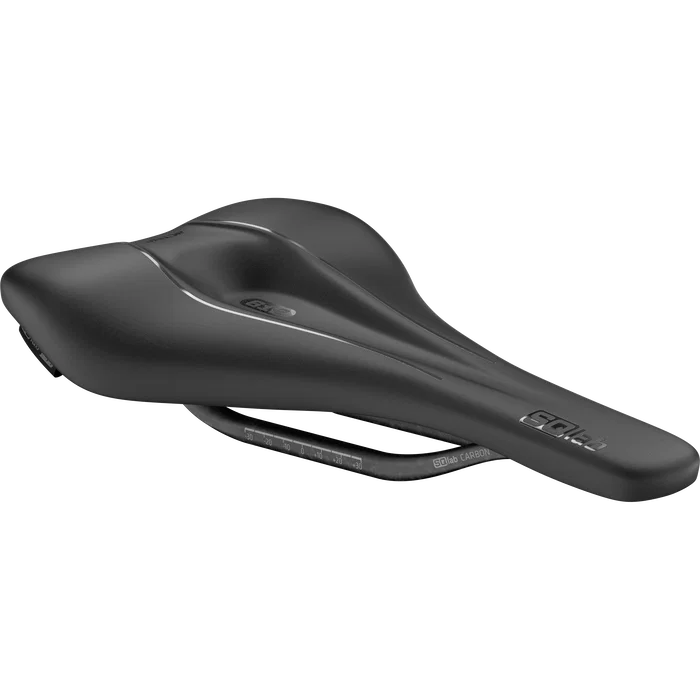
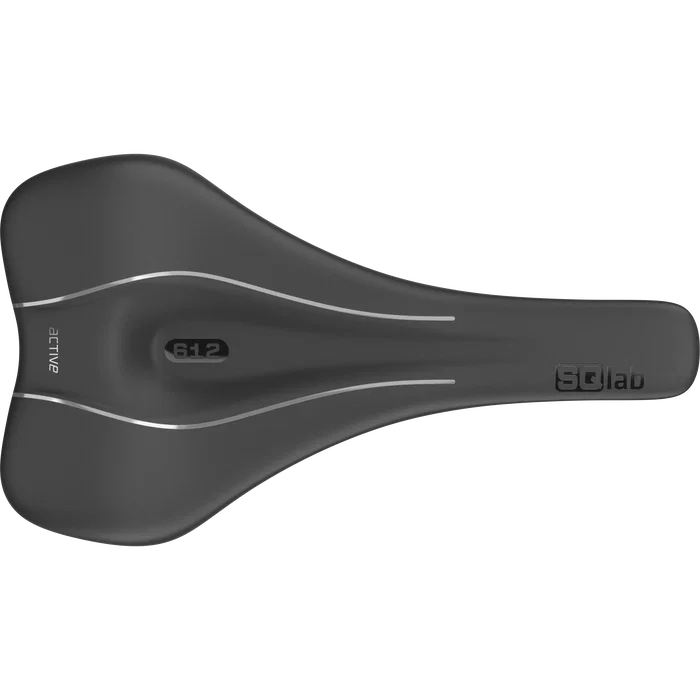
Road bike saddle 612 active 2.1 Carbon
Light | Back-friendly
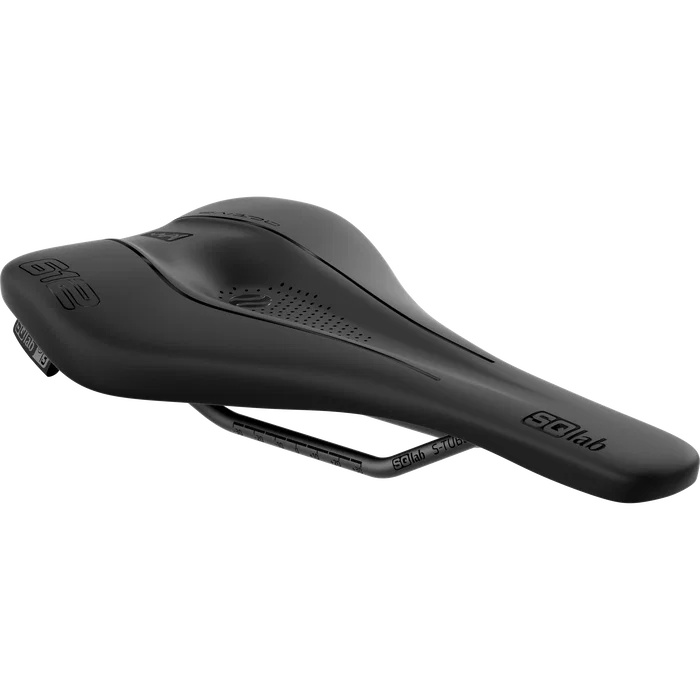
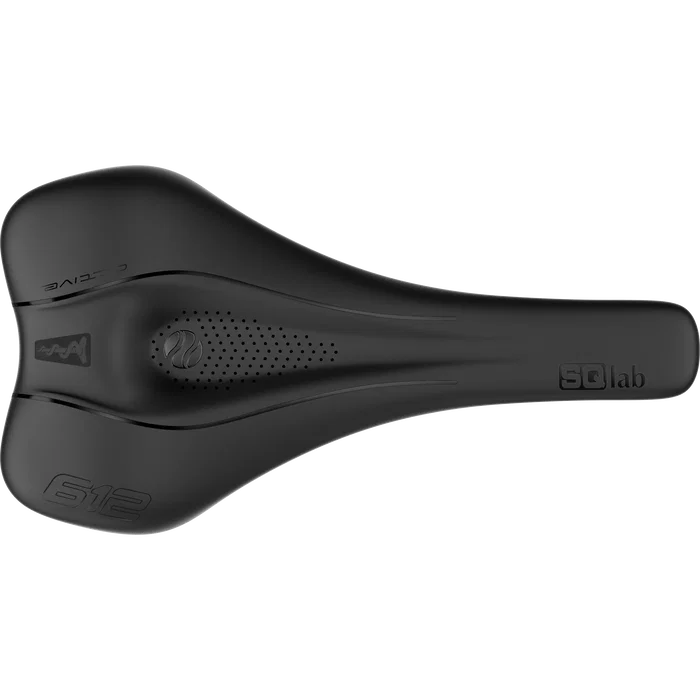
Road bike saddle 612 active 2.1
Sporty | back-friendly
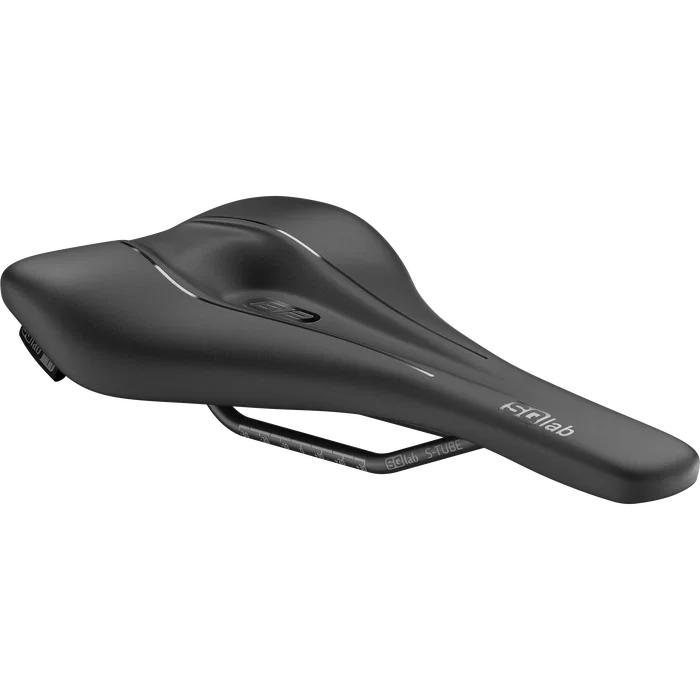
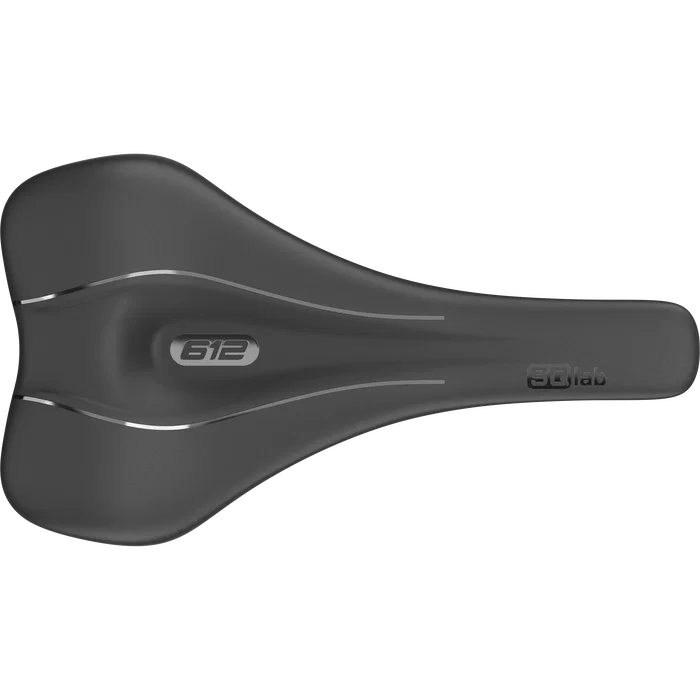
Road bike saddle 612 2.1
Sporty | Made in Spain

Road bike saddle 612 R Carbon
Performance-optimized | lightweight
:grayscale(false):quality(10):blur(20):format(webp) "SQlab_Measurement_at_home_DSC4113")
Unsure about your sizes?

Road bike saddle 612 R ltd. Team Carbon
Performance-optimized | lightweight
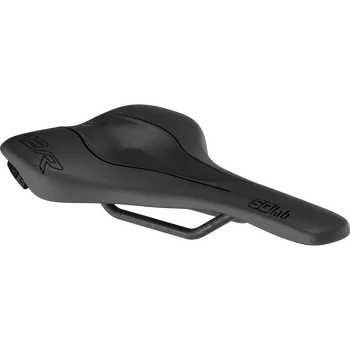

Road bike saddle 612 R
Performance-optimized |robust
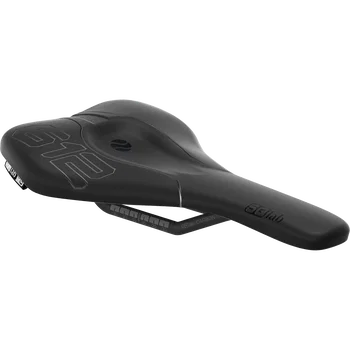
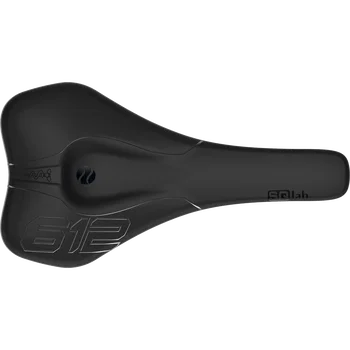
Cross Country saddle 612 Carbon
Light | sporty
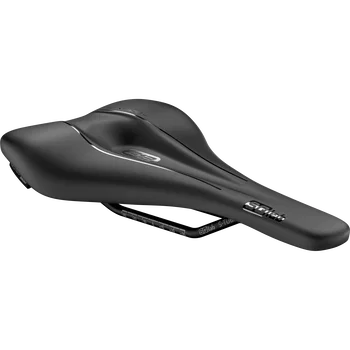
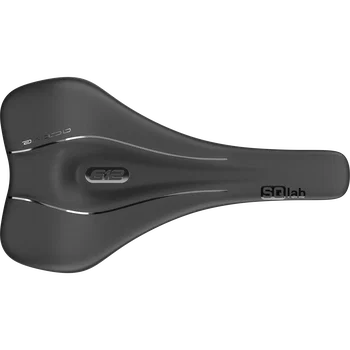
Road bike saddle 612 active 2.2
Sporty | back-friendly
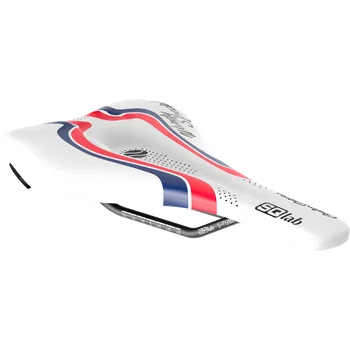
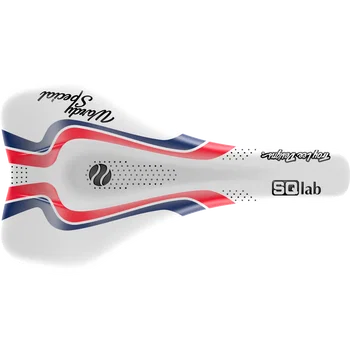
Road bike saddle 612 active 2.1 ltd Wardy Special
Sporty | back-friendly
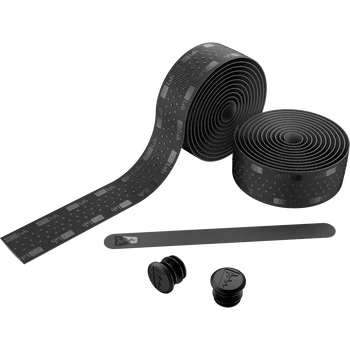
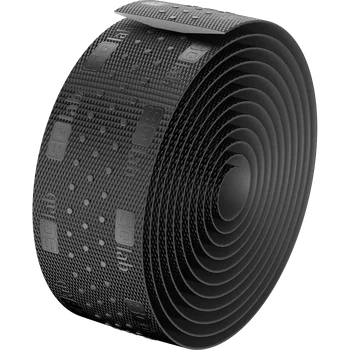
Road bike handlebartape 712
With size system | Non-slip
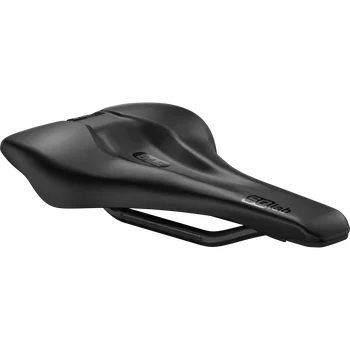

Road saddle 612R 2.0 Carbon
Performance-optimized | lightweight
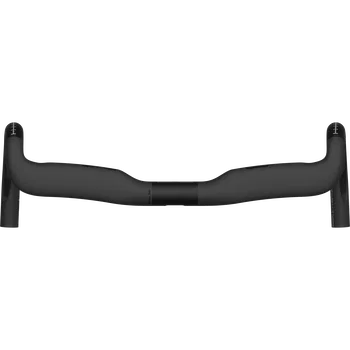
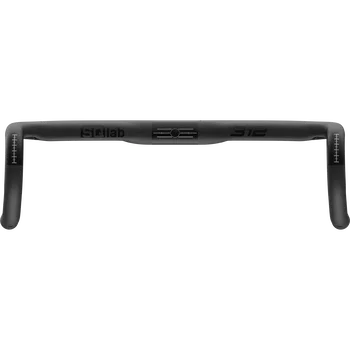
Road bike handlebar 312 R Carbon integrated
Integrated cable routing | light
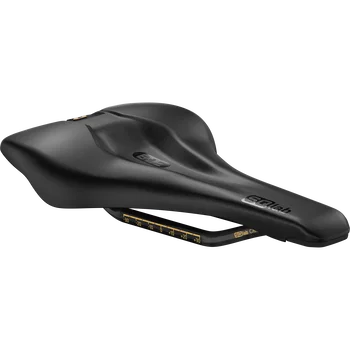

Road saddle 612R 2.0 Carbon first edition
Performance-optimized | lightweight


Road bike handlebartape 712
With size system | Non-slip
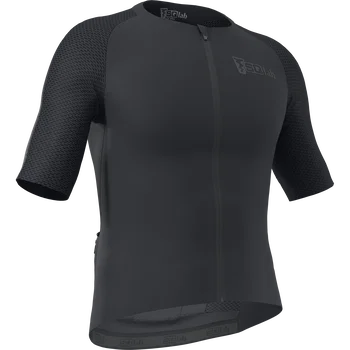
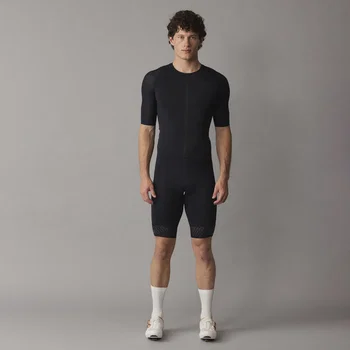
Cycling jersey men's ONE12
Breathable | 4-way stretch
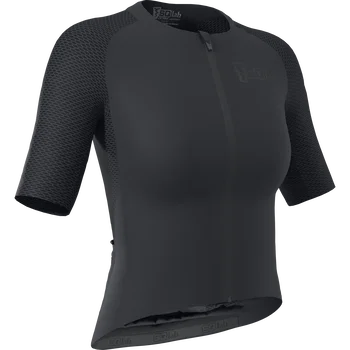
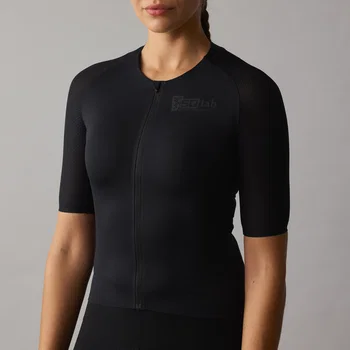
Cycling jersey woman ONE12
Female fit | breathable
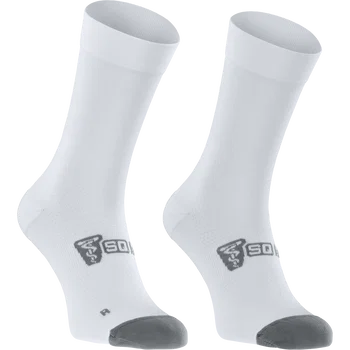
Cycling socks ONE12
Breathable | thermoregulation


Road bike shorts ONE12R
Minimum Pad | maximum Fit
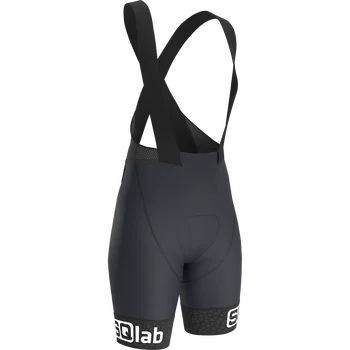
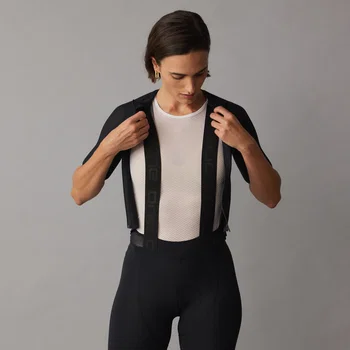
Bibshorts women ONE12
Female fit | quick break
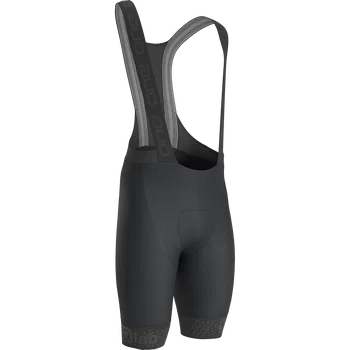
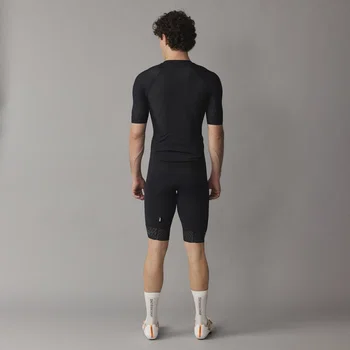
SQ-Shorts ONE12
Bike bibs
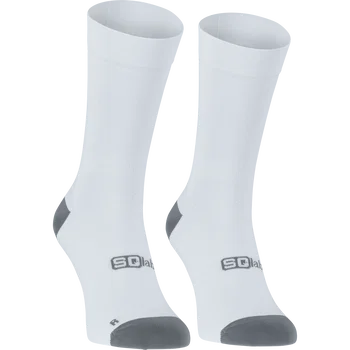
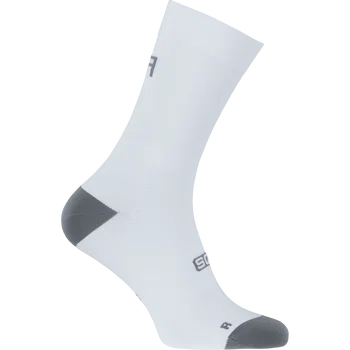
Road bike socks ONE12 2.0 unisex
Breathable | thermoregulation

Shorts ONE12 2.0 women
Womens bike bib shorts
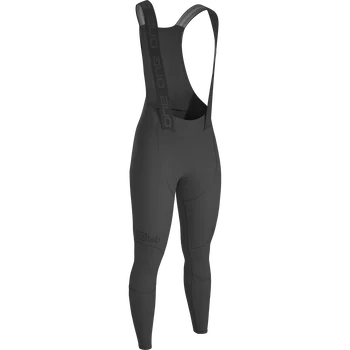
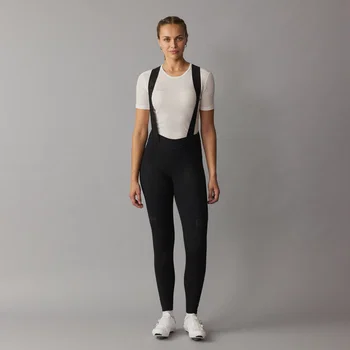
Women's cycling pants ONE12 women
Warm | Breathable
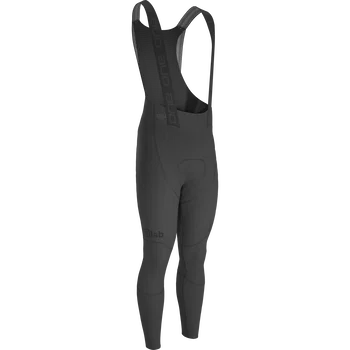
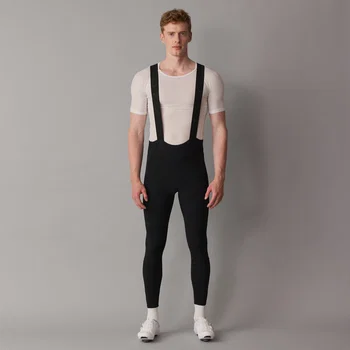
Cycling pants men ONE12
Warm | Breathable
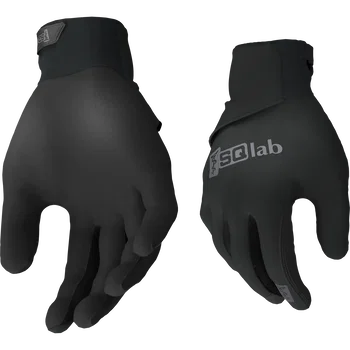
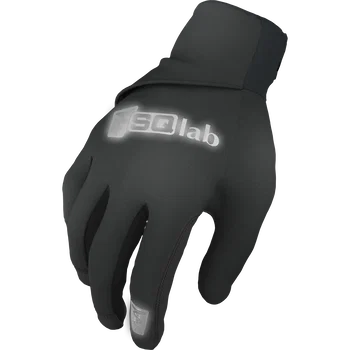
Bike gloves ONE10
Grippy | with rain protection
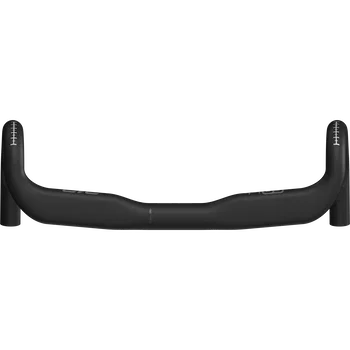
Road bike handlebar 312
Durable | ergonomically shaped
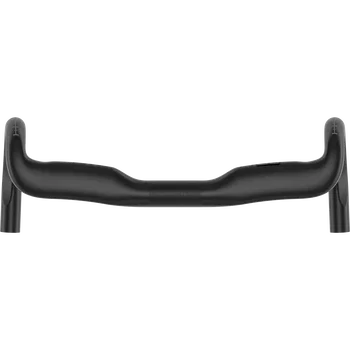
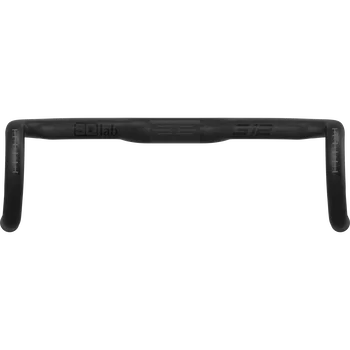
Road bike handlebar 312 R Carbon
Light | ergonomically shaped


Road bike stem 812 R
Integrated cable routing | adjustable


Road bike pedals 512
Look-compatible | various axle lengths
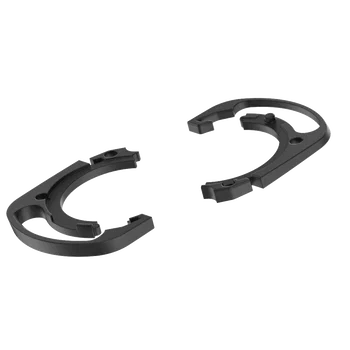
Angle shim 812R
Replacement angle spacer for 812R stem, two-piece design, essential for angle adjustment.


MTB & Road insoles ONE sport low
Stable form| efficient power transmission


MTB & Road insoles ONE sport medium
Stable form| efficient power transmission


MTB & Road insoles ONE sport high
Stable form | efficient power transmission
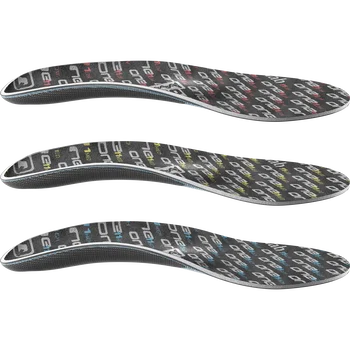
Cycling shoe insoles ONE11 medium
Stable form| efficient power transmission
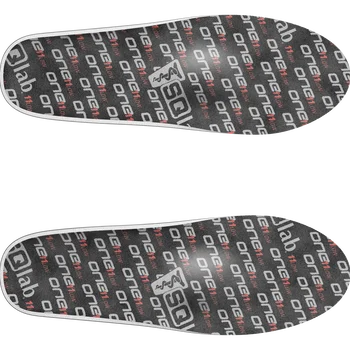
MTB & Road insoles ONE11 low
Stable form| efficient power transmission
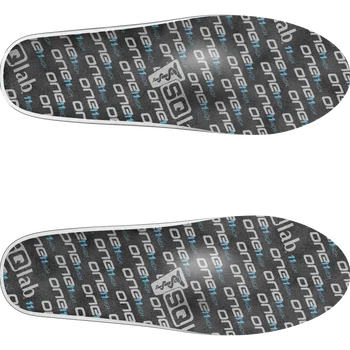
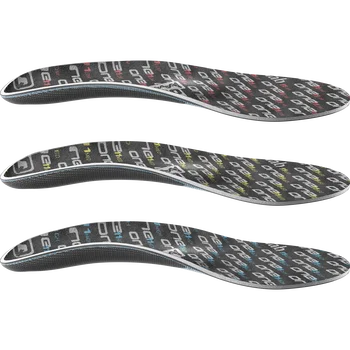
Cycling shoe insoles ONE11 high
Stable form | efficient power transmission
Road Bike Components: What Matters Most?
At first glance, road cycling seems simple: a lightweight bike, narrow tyres, and high tyre pressure. In reality, though, the key factor that determines whether a ride is enjoyable after 30 kilometres or still feels great after 150 is the interaction between rider and bike.
Your road bike saddle, handlebars, stem, cycling apparel, gloves, and insoles have a much greater impact on comfort, power transfer, and overall ride quality than many cyclists realise.
Road bike riding also puts you in a more forward-leaning position than a city or trekking bike. As a result, the load is distributed differently across the pelvis, hands, and feet. The best solution rarely comes from a single component. Instead, comfort and performance are achieved when all contact points work together as a system.
How to Set Up Your Road Bike Position Correctly
A proper bike fit starts at your feet, not at the handlebars. Many comfort issues arise because components are adjusted in the wrong order.
A proven fitting sequence is:
Cleat position
Saddle height
Saddle angle
Saddle fore-aft position
Stem length and stem angle
Handlebar width and hand position
Choosing the right components is just as important. A stem that is too long can lead to neck and shoulder discomfort, while handlebars that are too narrow or too wide can affect control, aerodynamics, and comfort.
The ideal setup always depends on your body proportions, flexibility, and preferred riding position.
:grayscale(false):quality(10):blur(20):format(webp) "3_DSC5635_day3photo_BartekWolinski_@wolisphoto")
Why does SQlab use a unisex concept for road bike components?
:grayscale(false):quality(10):blur(20):format(webp) "5_DSC9163_day45photo_BartekWolinski_@wolisphoto")
Many manufacturers divide their products into men's and women's models from the outset. In practice, however, factors such as riding position, flexibility, sit bone width, shoulder width, and foot shape are often far more important than gender when it comes to achieving the right fit.
That is why we at SQlab follow a different approach. Instead of categorising riders primarily by gender, the focus is placed on individual anatomy.
As a result, an athletic male rider and an athletic female rider may both benefit from the same saddle model, while two riders of the same gender may require different sizes because of differences in their physical characteristics.
The goal is not to fit riders into categories, but to provide the most precise ergonomic fit possible. You can read more about our unisex concept in our guide.
What equipment do I need for road cycling?
To get started, all you really need is a helmet, road cycling shoes, cycling apparel, and gloves. As ride duration increases, however, additional equipment becomes increasingly important.
A high-quality pair of bib shorts helps reduce friction and discomfort on long rides. With our ONE12 R road cycling shorts, you'll be well equipped for your next ride. Gloves improve grip, enhance control, and help absorb vibrations from the handlebars. On rough road surfaces, the difference becomes particularly noticeable after several hours in the saddle. The time of year also plays an important role when choosing cycling apparel:
Summer: Breathability, moisture management, and UV protection are the priorities.
Spring and Autumn : Base layers, arm warmers, and wind vests help maintain a balanced body temperature across changing conditions.
Long Descents: A lightweight vest can often provide more comfort than adding extra clothing layers.
:grayscale(false):quality(10):blur(20):format(webp) "5_DSC9757_day45photo_BartekWolinski_@wolisphoto")
FAQ: the most common questions about road bike components
Yes. Road cycling is one of the most joint-friendly endurance sports. It primarily improves cardiovascular fitness, leg strength, and overall endurance.
Many common complaints are not caused by cycling itself, but by unsuitable contact points. Numb hands, saddle discomfort, and overloaded knees are often signs of an incorrect riding position or poorly matched components.
The biggest differences are usually found at the three primary contact points between rider and bike:
Saddle: influences pressure distribution and pelvic positioning
Handlebars and stem: determine upper-body posture and hand position
Shoes and insoles: affect foot stability and power transfer
If your goal is to improve comfort or reduce discomfort, optimising these areas should be your first priority before investing in lighter or more expensive components.
Road bike components are designed for a more aggressive, aerodynamic riding position. Gravel components typically place a stronger emphasis on comfort and control over long distances and mixed terrain.
For most cyclists, two to four rides per week are enough to steadily improve fitness and endurance. Consistency and adequate recovery are the key factors.
A cut-out is designed to relieve pressure in the perineal area. In practice, however, a large opening can have the opposite effect, as pressure and movement are often transferred to the edges of the cut-out. This can create additional friction and localised pressure points.
Rather than relying on a large cut-out, we developed our stepped saddle concept based on the anatomy of the human body. The distinctive stepped shape shifts body weight onto the sit bones, while allowing the sensitive perineal area to sit lower and remain effectively relieved of pressure.
Fit, ergonomics, and compatibility with your body are far more important than weight or appearance. Saddle width, handlebar width, stem position, glove size, and foot type should always be taken into consideration.
Why Should I Choose SQlab Road Bike Components?
We develops components based on ergonomic principles, measurement systems (measur at home kit), and biomechanical research. Individual fit, comfort, and functionality are always the priority, allowing riders to fine-tune their setup to match their anatomy as accurately as possible.
:grayscale(false):quality(10):blur(20):format(webp) "SQlab Road 612 R")
:grayscale(false):quality(10):blur(20):format(webp) "SQlab Road 312 R")
:grayscale(false):quality(10):blur(20):format(webp) "sqlabeinsatzbereichmasonrykids658x496px")
:grayscale(false):quality(10):blur(20):format(webp) "5_DSC9163_day45photo_BartekWolinski_@wolisphoto")
:grayscale(false):quality(10):blur(20):format(webp) "1_DSC4467_day12photo_BartekWolinski_@wolisphoto")
:grayscale(false):quality(10):blur(20):format(webp) "SQlab City 610 active")
:grayscale(false):quality(10):blur(20):format(webp) "SQlab Gravel 714")
:grayscale(false):quality(10):blur(20):format(webp) "SQlab Road Lifestyle")
:grayscale(false):quality(10):blur(20):format(webp) "SQlab City 310")