:grayscale(false):quality(10):blur(20):format(webp) "sqlab.startseite.menu.teaser.ebike")
:grayscale(false):quality(10):blur(20):format(webp) "sqlab.startseite.menu.teaser.limited.editions.mike.metzger")
:grayscale(false):quality(10):blur(20):format(webp) "sqlab.startseite.menu.teaser.research.development")
:grayscale(false):quality(10):blur(20):format(webp) "sqlab.finde.die.richtige.groesse.massband.stevie.schneider.2023.byHoshiYoshida.2H3A3660")
:grayscale(false):quality(10):blur(20):format(webp) "sqlab.startseite.menu.teaser.materials.technology")
:grayscale(false):quality(10):blur(20):format(webp) "sqlab.startseite.menu.teaser.store.locator")
:grayscale(false):quality(10):blur(20):format(webp) "sqlab.startseite.menu.teaser.events.trade.fairs")
:grayscale(false):quality(10):blur(20):format(webp) "sqlab.simple.stage.mtb.madeira.2025.byUrsGolling.0193")
:grayscale(false):quality(10):blur(20):format(webp) "sqlab.simple.stage.road.gravel.productshots.2023.byRupertFowler.91569")
:grayscale(false):quality(10):blur(20):format(webp) "_DSC7874_photo_Bartek_Wolinski_@wolisphoto")
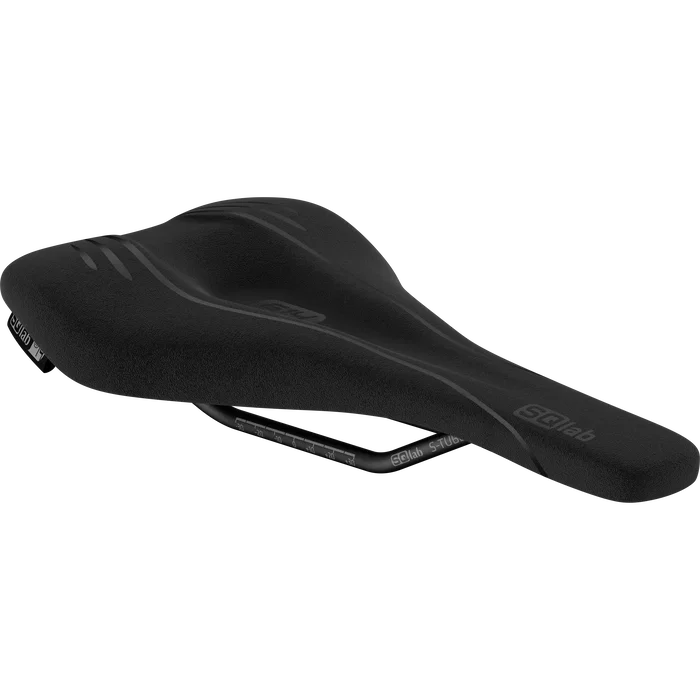
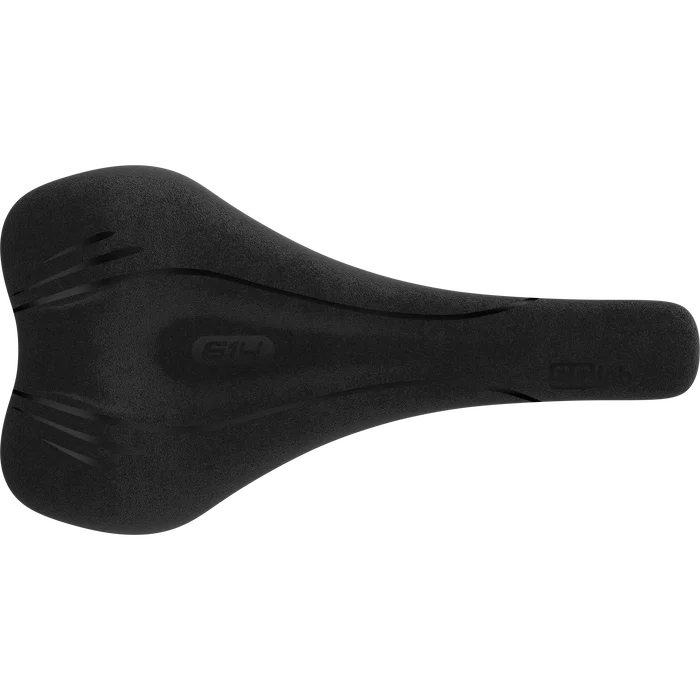
614 ERGOWAVE® active 2.1 S‘Qantara
Comfortable gravel bike saddle
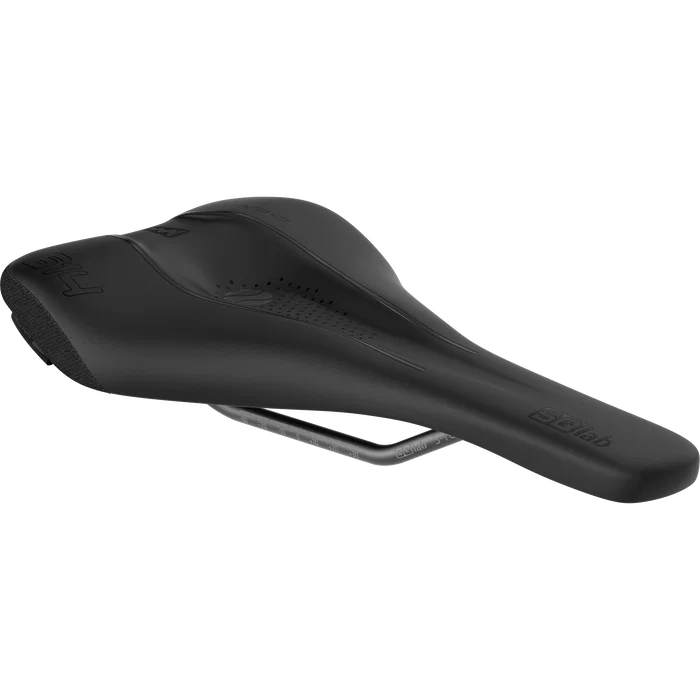
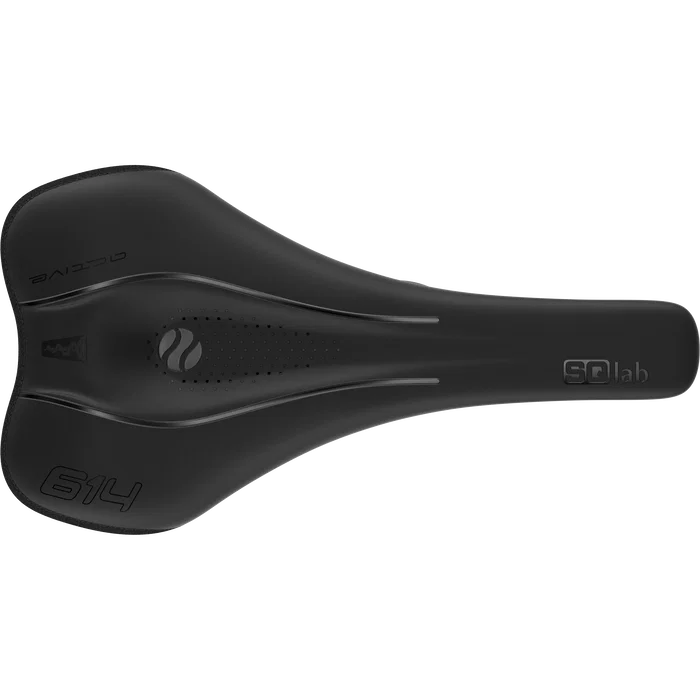
Gravel saddle 614 active 2.1
Sporty | back-friendly


Gravel handlebartape 714
Non-slip | vibration damping
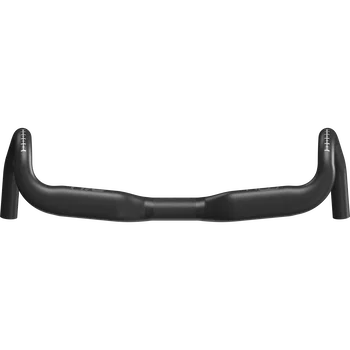
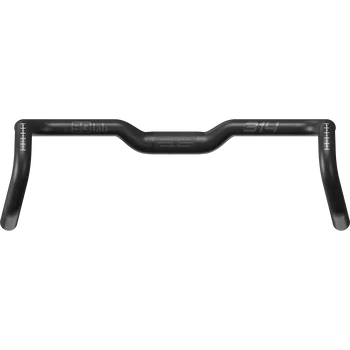
Gravel handlebar 314
Robust | ergonomically shaped
:grayscale(false):quality(10):blur(20):format(webp) "SQlab_Measurement_at_home_DSC4113")
Unsure about your sizes?
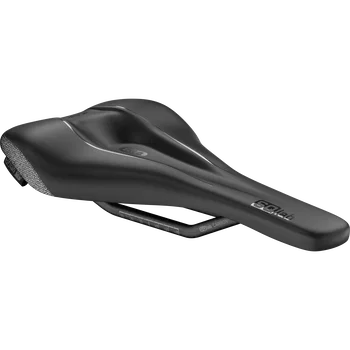
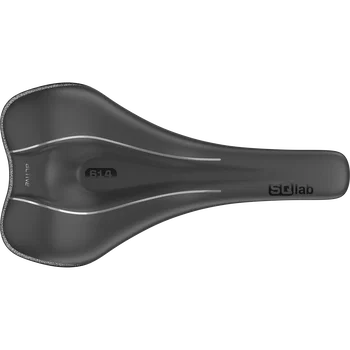
Gravel saddle 614 active 2.1 Carbon
Light | Back-friendly
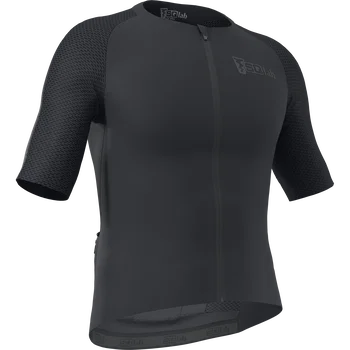
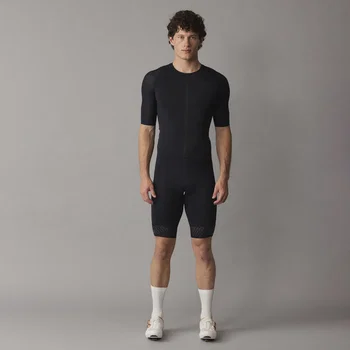
Cycling jersey men's ONE12
Breathable | 4-way stretch
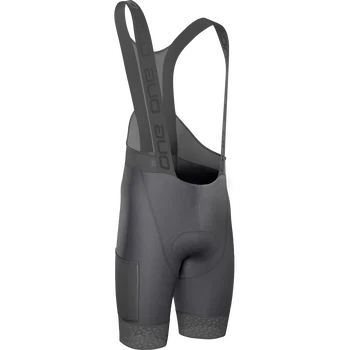
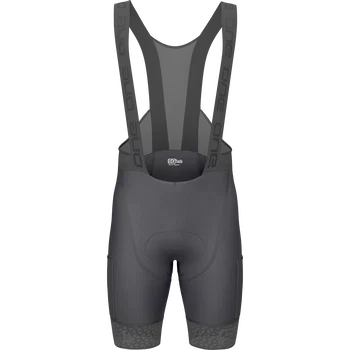
Gravel bibshort ONE14
Vibration-reducing | Breathable
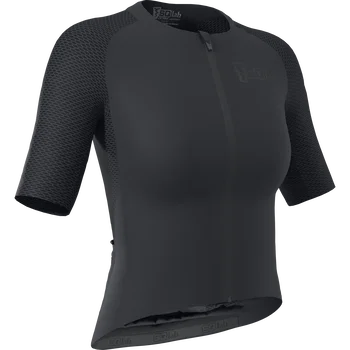
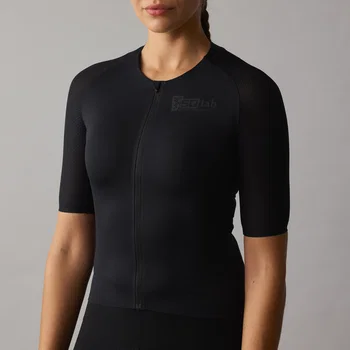
Cycling jersey woman ONE12
Female fit | breathable
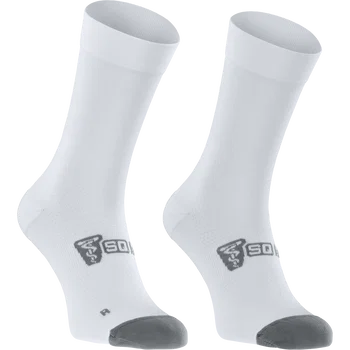
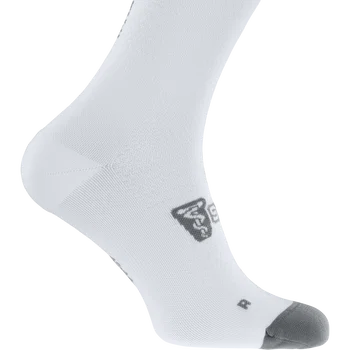
Cycling socks ONE12
Breathable | thermoregulation
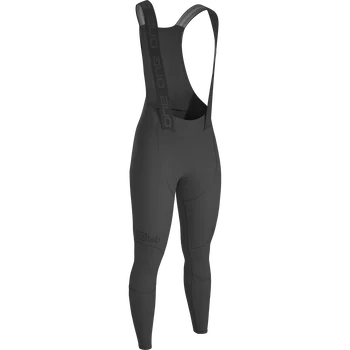
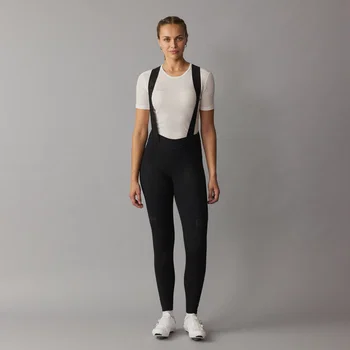
Women's cycling pants ONE12 women
Warm | Breathable
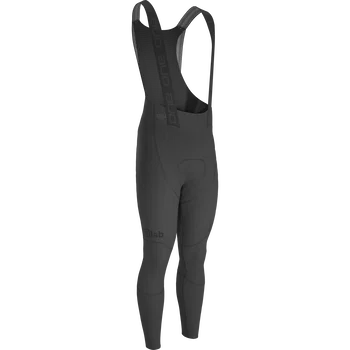
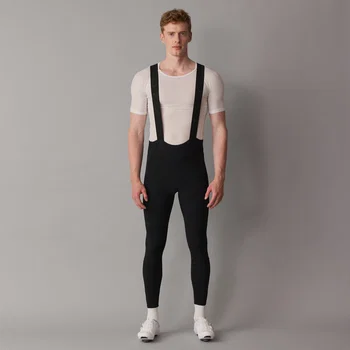
Cycling pants men ONE12
Warm | Breathable
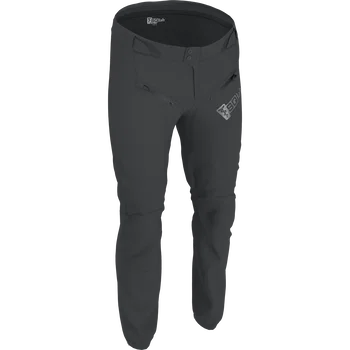
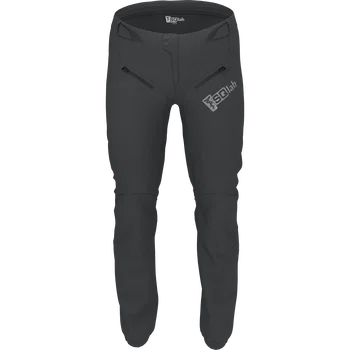
SQ-Pants ONE10
MTB Pants
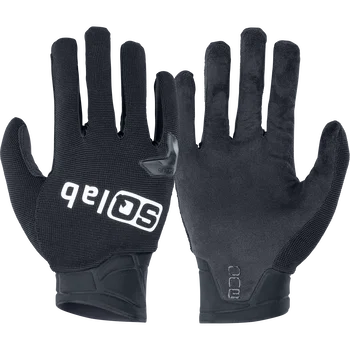
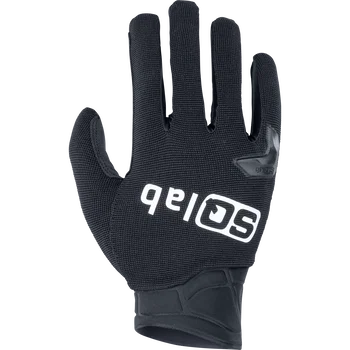
MTB gloves ONE11
Grippy | with hand guard
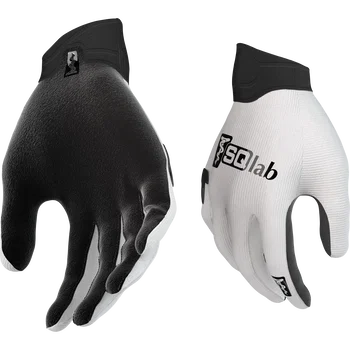
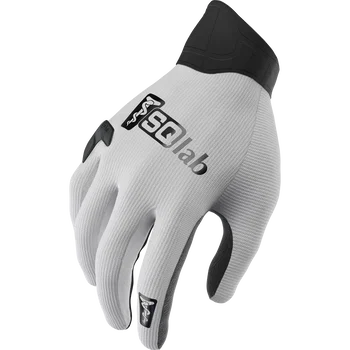
MTB gloves ONE11
Grippy | with hand guard
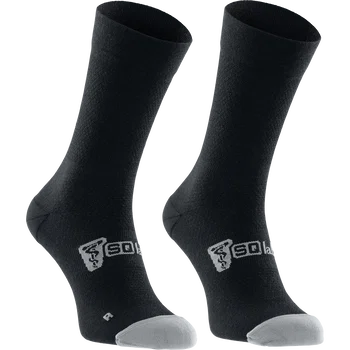
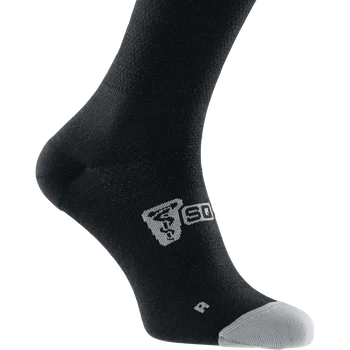
MTB socks ONE11 2.0
Breathable | Compatible with shin-guards
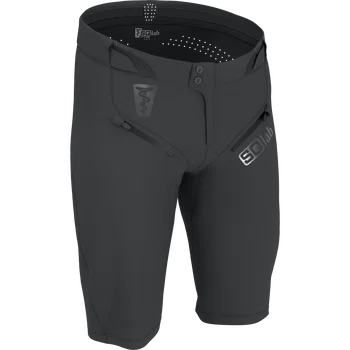
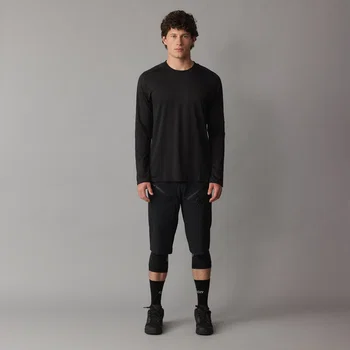
MTB shorts ONE OX
Moisture protection | flexible
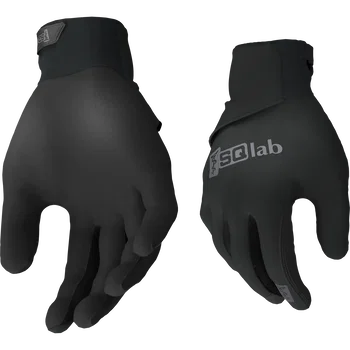
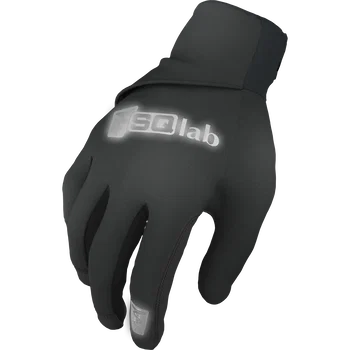
Bike gloves ONE10
Grippy | with rain protection
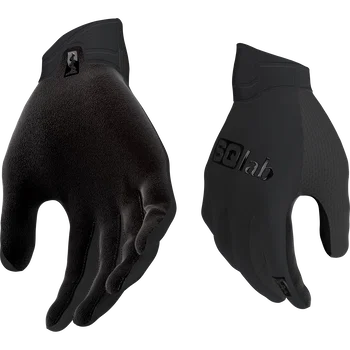
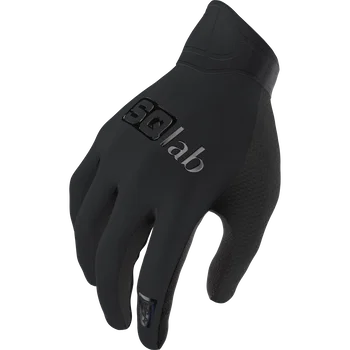
MTB downhill gloves ONE OX
Grippy | in different sizes
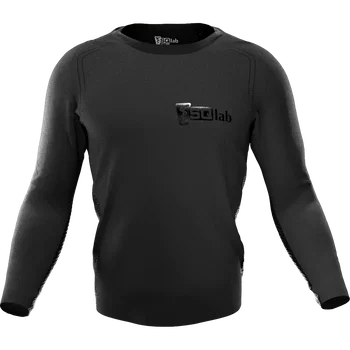
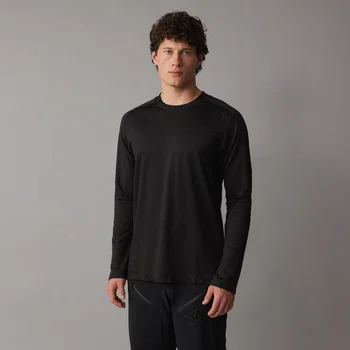
MTB Jersey ONE OX
Breathable | Relaxed
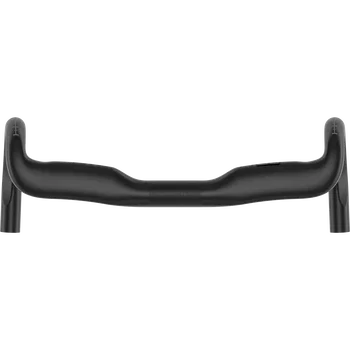
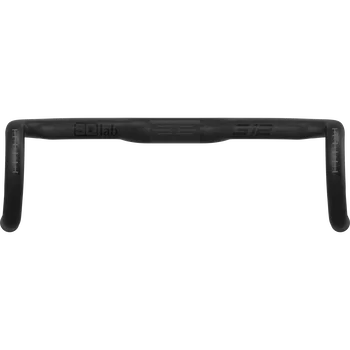
Road bike handlebar 312 R Carbon
Light | ergonomically shaped
What Makes Great Gravel Bike Components? Fit, Comfort and Control
Gravel bikes combine the efficiency of a road bike with the versatility of a mountain bike. They are built for changing surfaces, long rides and new routes beyond the tarmac. To get the most out of this versatility, the right setup matters.
From the saddle and stem to the pedals, every component influences riding position, comfort and control. Components that match your anatomy help reduce pressure, improve power transfer and support a more efficient riding position. This allows you to stay comfortable and focused, whether you're riding gravel roads, forest tracks or all-day adventures.
How should you sit on a Gravel bike?
A gravel bike combines efficiency with comfort. Compared to a mountain bike, the riding position is more stretched out. Compared to a road bike, it is more upright and stable.
The goal is a balanced position between saddle, handlebars and pedals. When the contact points fit your anatomy, pressure can be reduced, power transferred efficiently and control maintained on changing terrain.
For a comfortable gravel setup:
Your weight should be evenly distributed between saddle, handlebars and pedals.
Your arms should remain slightly bent and your shoulders relaxed.
You should be able to reach the handlebars comfortably without overstretching.
The right saddle, stem and cockpit setup help you stay comfortable and in control, whether on gravel roads, forest tracks or long-distance adventures.
:grayscale(false):quality(10):blur(20):format(webp) "SQlab Gravel Lifestyle")
Is Gravel Riding Good for Your Health?
:grayscale(false):quality(10):blur(20):format(webp) "SQlab Gravel Lifestyle")
Gravel riding is a great way to stay active. It supports cardiovascular fitness, strengthens the legs and places less impact on the joints than many other endurance sports. To enjoy these benefits over long distances, the contact points between rider and bike need to fit properly.
The most important factor is saddle fit. Because every rider's anatomy is different, saddle width should match individual sit bone width. A properly fitted saddle relieves pressure, improves circulation and provides a stable platform for efficient power transfer.
Other components contributing to comfort and performance:
Grips and handlebar tape help absorb vibration and reduce strain on the hands.
Gravel bike pedals provide stable foot support and efficient power transfer.
Hybrid pedals combine clipless efficiency with the versatility of a flat pedal.
The right components can make a noticeable difference to comfort, control and enjoyment on long gravel rides.
Is Gravel Riding Good for Your Back?
Gravel riding can be highly beneficial for your back when your bike is set up correctly. The natural riding position engages the core, supports the spine and reduces unnecessary strain on the back and neck. Most discomfort is caused by poor bike fit rather than the ride itself.
An ergonomic saddle supports the pelvis, while the right stem helps position the handlebars at an appropriate height and reach. SQlab's active-Technology allows the saddle to follow the natural movement of the pelvis while pedalling, which can help support a more natural riding motion. Together, these components can contribute to greater comfort on longer rides.
To optimise your gravel bike setup, focus on three key areas:
Saddle width matched to your sit bone width.
Stem length suited to your reach and riding position.
Handlebar width matched to your shoulder width.
Technical gravel cycling apparel can further enhance comfort by reducing friction, managing moisture and improving comfort on long days in the saddle.
:grayscale(false):quality(10):blur(20):format(webp) "SQlab Gravel Lifestyle")
FAQs: Frequently Asked Questions about gravel bikes and components
The term gravel refers to loose stone and unpaved surfaces. A gravel bike is designed to perform efficiently on a wide range of terrain, from smooth tarmac to gravel roads, forest tracks and backcountry routes. Combining speed, comfort and control, gravel bikes are built for riders who want to explore beyond the pavement.
Yes. With narrower tyres, a gravel bike can feel very similar to a road bike on paved roads. At the same time, it offers greater versatility when the ride continues onto gravel, dirt roads or rougher surfaces.
Compared to a dedicated road bike, the riding position is typically a little more relaxed, which many riders appreciate on longer rides. A road bike will generally feel lighter and more direct on smooth tarmac, while a gravel bike offers the flexibility to ride confidently across a wider range of terrain.
Compared to road bike tyres, gravel tyres with a pronounced tread pattern generally create more rolling resistance on paved surfaces. How noticeable the difference is depends on factors such as tyre design, tyre pressure and riding speed.
Semi-slick gravel tyres can significantly reduce this gap while maintaining additional grip on loose surfaces. For many riders, they offer a balance of efficiency on tarmac and confidence on gravel, making them a popular choice for mixed-terrain riding.
Start with saddle height: with your heel placed on the pedal at its lowest point, your leg should be almost fully extended. Next, adjust the saddle angle so that it is level or very slightly nose-down. Finally, set the fore-aft position so that when the crank arms are horizontal, the front of the knee sits directly above the pedal axle.
Good gravel bike components are designed around the rider's anatomy. They reduce pressure points, support a natural riding posture and transfer power efficiently. Quality is reflected in the materials used, manufacturing standards and ergonomic design.
Fit always comes before appearance. Saddle width, stem length, handlebar width and pedal system should all match your body and riding style. In addition, durable materials, a well-designed accessory ecosystem and components from ergonomics specialists are well worth considering.
Ready for your next ride?
The right setup can make a noticeable difference on long days in the saddle. Saddle, stem, pedals and apparel all influence comfort, support and control on changing terrain.
That's why SQlab develops gravel components around one key factor: the rider. From saddles available in different widths and models with active technology to stems, pedals and technical apparel, every product is designed to support an ergonomic riding position and lasting comfort.
Find the gravel components that fit your anatomy and build a setup that works for your riding style.
:grayscale(false):quality(10):blur(20):format(webp) "_DSC3458_photo_Bartek_Wolinski_@wolisphoto")
:grayscale(false):quality(10):blur(20):format(webp) "_DSC1675_photo_Bartek_Wolinski_@wolisphoto")
:grayscale(false):quality(10):blur(20):format(webp) "sqlabeinsatzbereichmasonrykids658x496px")
:grayscale(false):quality(10):blur(20):format(webp) "_DSC1416_photo_Bartek_Wolinski_@wolisphoto")
:grayscale(false):quality(10):blur(20):format(webp) "_DSC1536_photo_Bartek_Wolinski_@wolisphoto")
:grayscale(false):quality(10):blur(20):format(webp) "_DSC4103_photo_Bartek_Wolinski_@wolisphoto")
:grayscale(false):quality(10):blur(20):format(webp) "SQlab Gravel 714")
:grayscale(false):quality(10):blur(20):format(webp) "sqlab_gravel_sale")
:grayscale(false):quality(10):blur(20):format(webp) "_DSC1425_photo_Bartek_Wolinski_@wolisphoto")