:grayscale(false):quality(10):blur(20):format(webp) "sqlab.startseite.menu.teaser.ebike")
:grayscale(false):quality(10):blur(20):format(webp) "sqlab.startseite.menu.teaser.limited.editions.mike.metzger")
:grayscale(false):quality(10):blur(20):format(webp) "sqlab.startseite.menu.teaser.research.development")
:grayscale(false):quality(10):blur(20):format(webp) "sqlab.finde.die.richtige.groesse.massband.stevie.schneider.2023.byHoshiYoshida.2H3A3660")
:grayscale(false):quality(10):blur(20):format(webp) "sqlab.startseite.menu.teaser.materials.technology")
:grayscale(false):quality(10):blur(20):format(webp) "sqlab.startseite.menu.teaser.store.locator")
:grayscale(false):quality(10):blur(20):format(webp) "sqlab.startseite.menu.teaser.events.trade.fairs")
:grayscale(false):quality(10):blur(20):format(webp) "sqlab.simple.stage.mtb.madeira.2025.byUrsGolling.0193")
:grayscale(false):quality(10):blur(20):format(webp) "sqlab.simple.stage.road.gravel.productshots.2023.byRupertFowler.91569")
:grayscale(false):quality(10):blur(20):format(webp) "SQlab MTB EMTB Lifestyle")
Mountainbike Saddles for every are of use
We have fitting saddles for every type of MTB and riding style. Whether it's a tour, marathon, the bike park or just a quick single trail ride, our MTB saddles provide the best fit and support on any terrain.
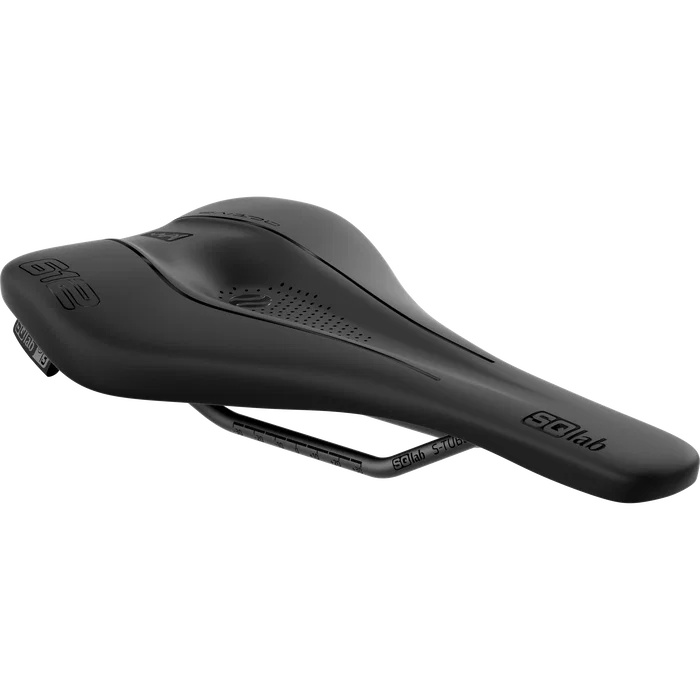
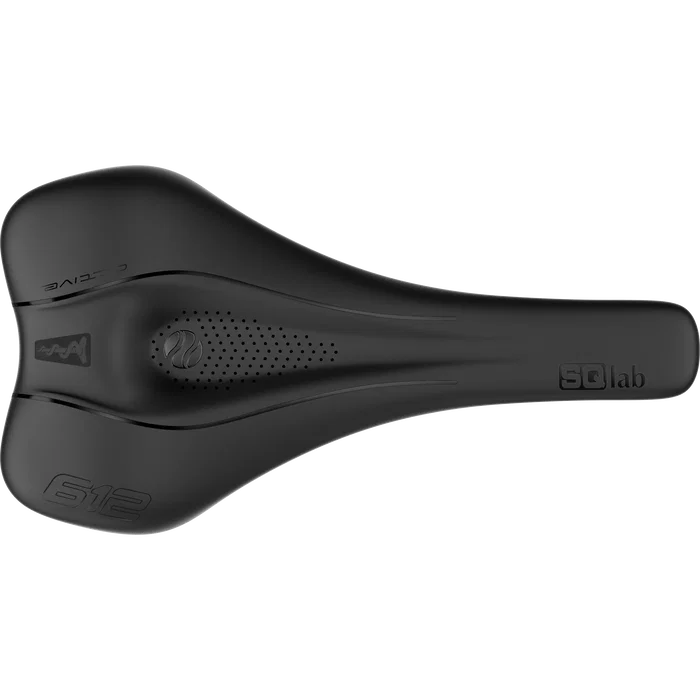
Road bike saddle 612 active 2.1
Sporty | back-friendly


Cross Country saddle 612 Carbon
Light | sporty


MTB trail saddle 611 active 2.1
Sporty | back-friendly
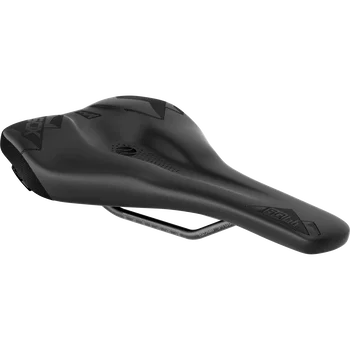
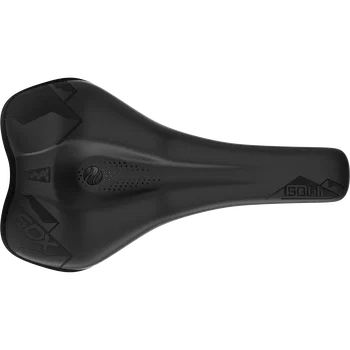
MTB Enduro saddle 6OX active 2.2
Supportive | back-friendly
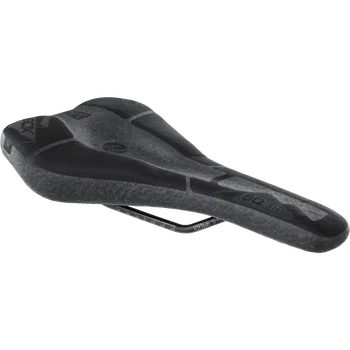
MTB saddle 6OX Infinergy® active 2.1
Vibration-damping | back-friendly


MTB trail saddle 611 active 2.1 ltd. Escape
More efficiency on the trail | Relief on long rides
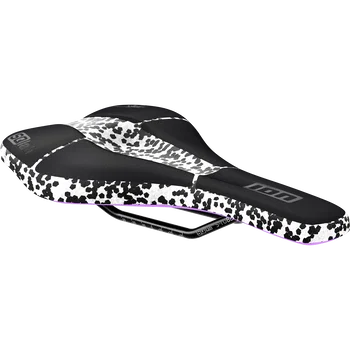
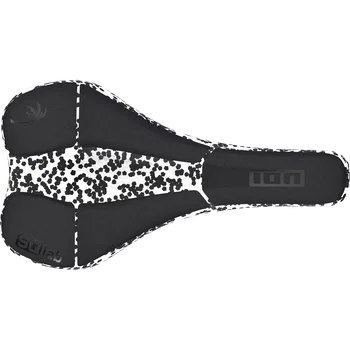
MTB saddle 611 Infinergy active 2.1 ltd. ION
Vibration-damping | back-friendly
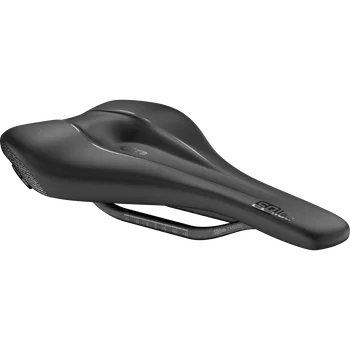
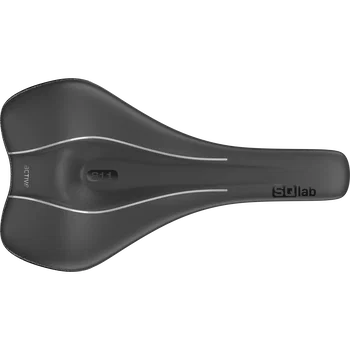
MTB trail saddle 611 active 2.1 Carbon
Light | Back-friendly
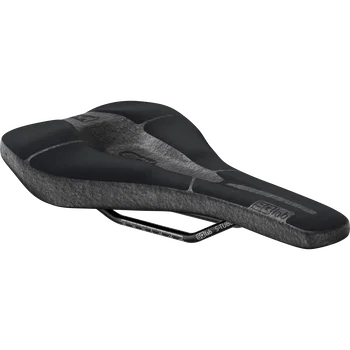

MTB saddle 6OX Infinergy® active 2.1 ClipOn
Vibration-damping | back-friendly
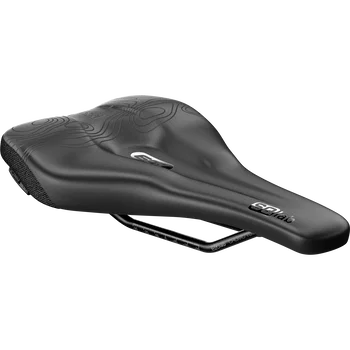
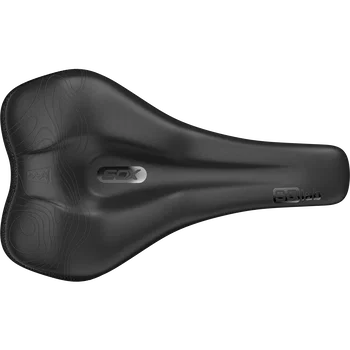
6OX ERGOWAVE® active 2.2
Short MTB Enduro saddle
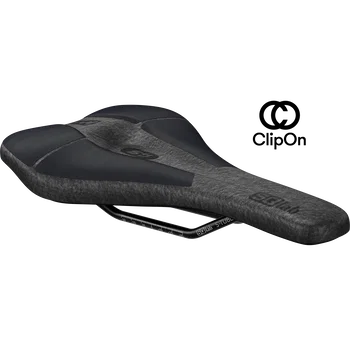

MTB saddle 611 Infinergy® active 2.1
Vibration-damping | back-friendly
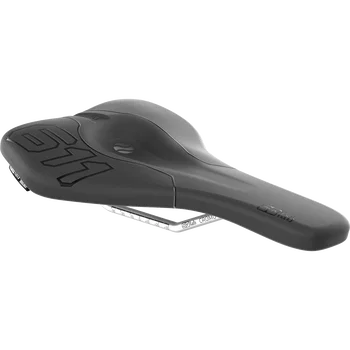
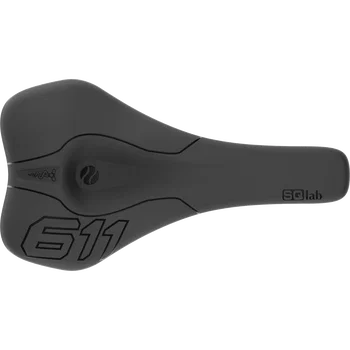
MTB saddle 611 CrMo
Sporty | affordable
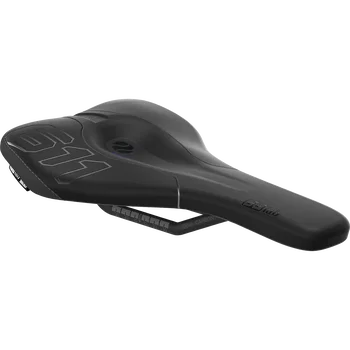
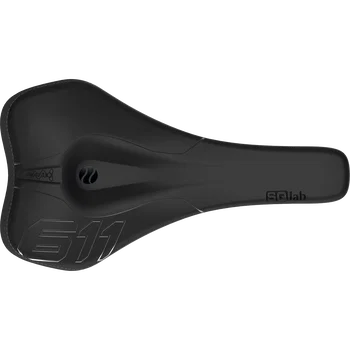
MTB saddle 611 Carbon
Light | sporty
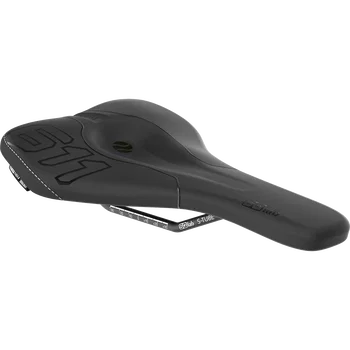
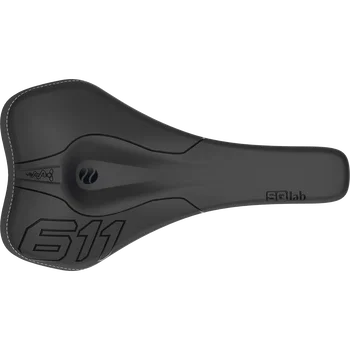
MTB trail saddle 611
Sporty |simple
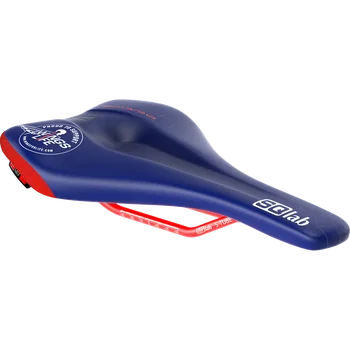
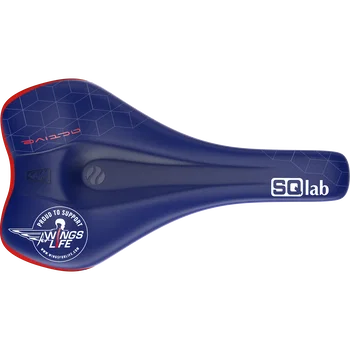
MTB trail saddle 611 active 2.1 ltd. Wings for Life
Sporty | back-friendly
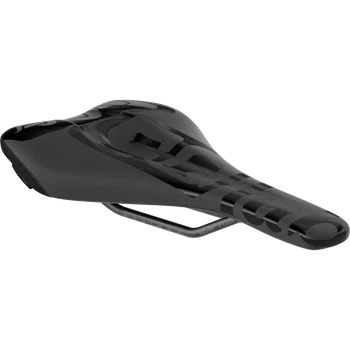
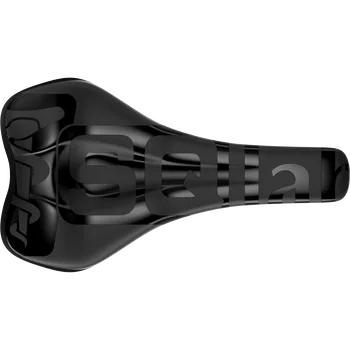
MTB trail saddle 611 active 2.1 ltd. Team
Sporty | back-friendly
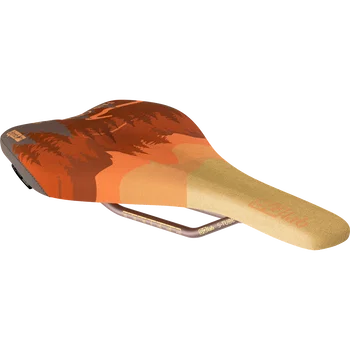
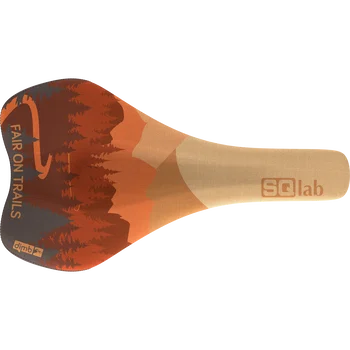
611 ERGOWAVE® active 2.1 ltd. Fair on Trails
Orange MTB saddle
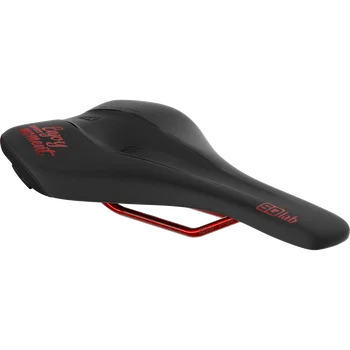
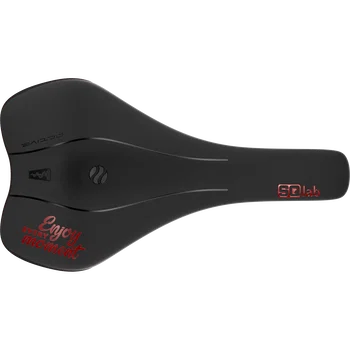
MTB trail saddle 611 active 2.1 ltd. Enjoy
Sporty | back-friendly
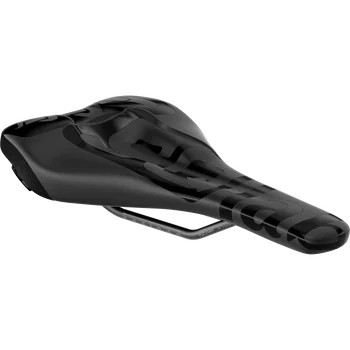
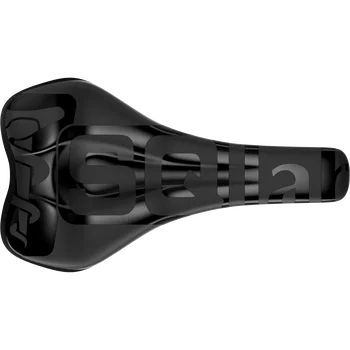
MTB Enduro saddle 6OX active 2.1 ltd. Team
Supportive | back-friendly
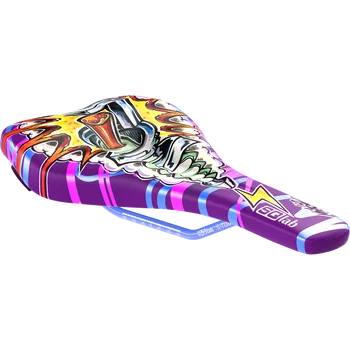
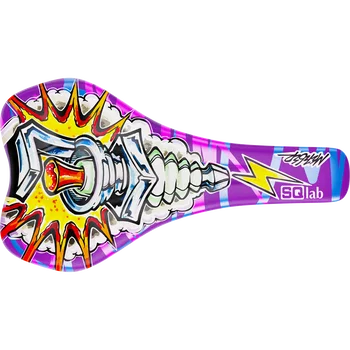
MTB saddle 6OX active 2.1 ltd. Mike Metzger
Supportive | back-friendly
Which MTB saddle is right for you and your trail?
A good MTB saddle only really stands out when it doesn’t cause any problems. No pressure in the perineal area. No numbness. No pain in your sit bones after your first long ride. That’s exactly what a well-fitting mountain bike saddle is all about: it shouldn’t distract you, but let you ride.
This is more challenging on a mountain bike than on many other types of bikes. You don’t sit in the exact same position for hours on end; instead, you’re constantly switching between climbs, trails, flat transfer sections, and technical descents. Sometimes you sit far back, sometimes you slide forward, and sometimes you’re actively working with the bike. A mountain bike saddle must therefore do more than just feel soft.
The key factors are the right width, the right shape, sensible padding, and an adjustment that suits the bike and your riding style. A comfortable MTB saddle isn’t automatically the softest one. It becomes comfortable when your sit bones rest stably, sensitive areas are relieved of pressure, and you maintain a controlled riding position even on long rides.
At SQlab, we rely on our sit bone measurement, different saddle widths, the stepped saddle concept, and, depending on the model, active technology. This way, you won’t find just any random MTB saddle, but one that fits your body, your riding position, and your riding style.
Why do pressure, numbness, or saddle bone pain ruin your trail ride?
Pressure, numbness, or saddle bone pain are rarely caused by “insufficient padding” alone. Often, the width is wrong, the saddle shape distributes pressure poorly, or the saddle is so soft that the sit bones sink in. Then pressure ends up where it doesn’t belong: in the perineal area, on nerves, blood vessels, or sensitive soft tissues.
On a mountain bike, these issues often become more noticeable. You sit differently on steep climbs than on flat sections. Off-road, impacts, pulling on the handlebars, standing up, and frequent position changes all affect the contact point between your body and the saddle. Simply calling a mountain bike saddle “comfortable” isn’t enough. It has to perform in real-world terrain.
The solution starts with measurement. The sit bone measurement determines how far apart your sit bones are. You can easily measure your sit bones at home using our home measurement kit. Combined with your intended use, this determines the appropriate saddle width. The stepped saddle design also ensures that the sit bones are supported in a defined manner and that pressure is relieved from the sensitive front area.
:grayscale(false):quality(10):blur(20):format(webp) "SQlab 6OX 2.2")
What saddle width do I need for my MTB?
:grayscale(false):quality(10):blur(20):format(webp) "SQlab Lab 2025 Vermessung Measurement")
Choosing the right saddle width is one of the most important factors when buying an MTB saddle. If the saddle is too narrow, your sit bones won’t be able to rest flat against it. Your weight shifts to sensitive areas, causing friction and pressure points. If the saddle is too wide or poorly shaped, it can get in the way while pedaling or restrict your range of motion on technical trails.
MTB saddles often differ from very sporty road or gravel saddles because the riding position and usage are different. On a mountain bike, depending on the discipline, you sit slightly more upright, work more actively with the bike, and at the same time need support on climbs. That’s why it’s not just the measured sit bone distance that matters, but also your position on the bike.
Sample calculation to find the right mountain bike saddle for you:
(Seat bone width) 13 cm + 2 cm (MTB range) = 15 cm
Are you between two sizes? If so, choose the wider saddle.
Why does an ergonomic MTB saddle prevent numbness and pressure?
Numbness is a clear warning sign. It often occurs when too much pressure is applied to nerves and blood vessels over an extended period of time. An ergonomic MTB saddle is designed to prevent exactly that: it provides support where the body can absorb pressure and relieves pressure where it causes problems.
On our stepped saddle, the rear seating area is higher and clearly defined. This allows the pelvis to find a stable position, while the front of the saddle is lower, creating more space. This can make all the difference, especially on long climbs, extended rides, and in a sporty riding position.
The padding also plays an important role. A soft mountain bike saddle may sound comfortable at first, but it can be counterproductive on long rides if the sit bones sink in. Firmer padding can better distribute pressure across the sit bones and relieve sensitive areas. That’s why a good mountain bike saddle isn’t just soft, but provides the right support.
:grayscale(false):quality(10):blur(20):format(webp) "sqlab_mtb_ion_ltd_DSC6821")
FAQ: What questions should you ask when buying an MTB saddle?
For longer rides, a soft saddle is often not the best choice. If your sit bones sink in too deeply, it can put extra pressure on sensitive areas. A good mountain bike saddle therefore doesn’t feel spongy but provides well-defined support. The key isn’t maximum softness, but the right combination of width, shape, and padding.
Mild saddle bone pain can occur at first when using a new saddle or after a long break. The saddle bones need to get used to the new pressure distribution. Important: The discomfort should subside after a few rides. If it remains severe or is accompanied by numbness, the width, shape, padding, or adjustment are likely not right.
A short saddle nose can offer advantages off-road because it provides more freedom of movement. This can be particularly helpful for enduro, all-mountain, e-MTB, and technical trails when you’re actively moving on the bike. It’s not a must-have for long, steady rides, but depending on the model and riding position, it can still be very comfortable.
Active technology allows for slight lateral movement of the saddle. This allows the pelvis to move more naturally instead of being rigidly fixed. This can improve comfort on long rides, climbs, and uneven terrain. An ergonomic MTB saddle with active technology is particularly appealing for riders looking for a dynamic fit.
If your measurement falls between two sizes, the larger size is generally the better choice. A saddle that is too narrow does not provide sufficient support for the sit bones and can shift pressure to sensitive areas.
Many people specifically search for women’s MTB saddles or men’s mountain bike saddles. At SQlab, however, we don’t focus on gender, but rather on the individual anatomy, specifically the width and shape of the sit bones. That’s why the same ergonomic saddle can work for both women and men, provided the width, intended use, and adjustments are right. You can read more about this in our Unisex Concept.
Why buy an MTB saddle from SQlab, and how can I find the right one in five steps?
Choosing the right MTB saddle isn’t a matter of chance. Reviews can offer guidance, but your body, your bike, and your riding style are what determine which saddle is truly the right fit. The easiest way involves five steps:
Measure your sit bone width
Choose your riding style
Order the saddle
Test it for 30 days
This is how any mountain bike saddle becomes one that’s right for you: comfortable on long rides, stable on climbs, flexible enough for technical trails, and ergonomic enough so that pressure, numbness, and sit bone pain no longer dictate your ride.
:grayscale(false):quality(10):blur(20):format(webp) "SQlab City 621 active")
:grayscale(false):quality(10):blur(20):format(webp) "SQlab City 610 active")
:grayscale(false):quality(10):blur(20):format(webp) "sqlabeinsatzbereichmasonrykids658x496px")
:grayscale(false):quality(10):blur(20):format(webp) "SQlab 612 ONE12")
:grayscale(false):quality(10):blur(20):format(webp) "SQlab Trekking 610 active")
:grayscale(false):quality(10):blur(20):format(webp) "sqlabeinsatzbereichmasonrygriddirt424x424px")
:grayscale(false):quality(10):blur(20):format(webp) "SQlab Gravel Lifestyle")
:grayscale(false):quality(10):blur(20):format(webp) "SQlab Gravel 614 active")
:grayscale(false):quality(10):blur(20):format(webp) "sqlab.triathlon.sudelfeld.2024.by.UrsGolling.0193")