:grayscale(false):quality(10):blur(20):format(webp) "sqlab.startseite.menu.teaser.ebike")
:grayscale(false):quality(10):blur(20):format(webp) "sqlab.startseite.menu.teaser.limited.editions.mike.metzger")
:grayscale(false):quality(10):blur(20):format(webp) "sqlab.startseite.menu.teaser.research.development")
:grayscale(false):quality(10):blur(20):format(webp) "sqlab.finde.die.richtige.groesse.massband.stevie.schneider.2023.byHoshiYoshida.2H3A3660")
:grayscale(false):quality(10):blur(20):format(webp) "sqlab.startseite.menu.teaser.materials.technology")
:grayscale(false):quality(10):blur(20):format(webp) "sqlab.startseite.menu.teaser.store.locator")
:grayscale(false):quality(10):blur(20):format(webp) "sqlab.startseite.menu.teaser.events.trade.fairs")
:grayscale(false):quality(10):blur(20):format(webp) "sqlab.simple.stage.mtb.madeira.2025.byUrsGolling.0193")
:grayscale(false):quality(10):blur(20):format(webp) "sqlab.simple.stage.road.gravel.productshots.2023.byRupertFowler.91569")
:grayscale(false):quality(10):blur(20):format(webp) "SQlab MTB EMTB Lifestyle")
Our MTB grips offer performance, durability and comfort on all terrains, thanks to the sizing system, fitting rubber compounds and their ergonomic shape.
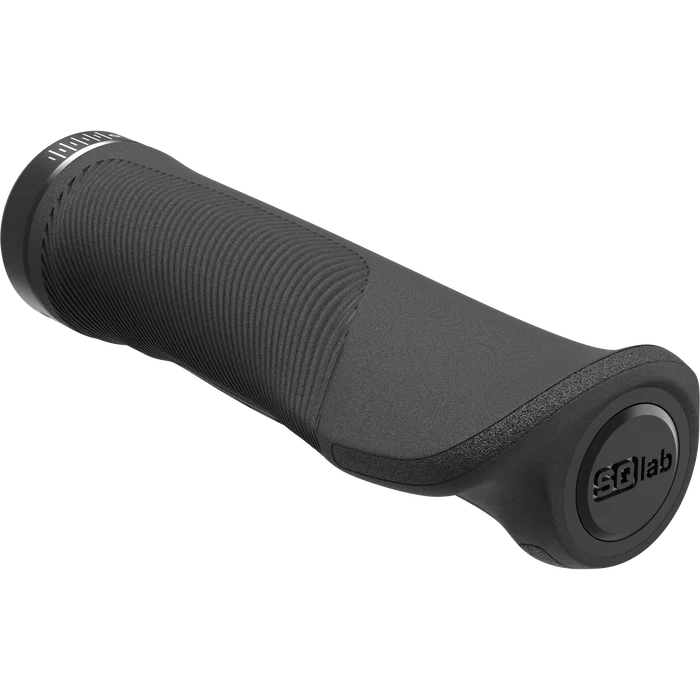

Bike grips 710 2.0
3D fit | Comfortable
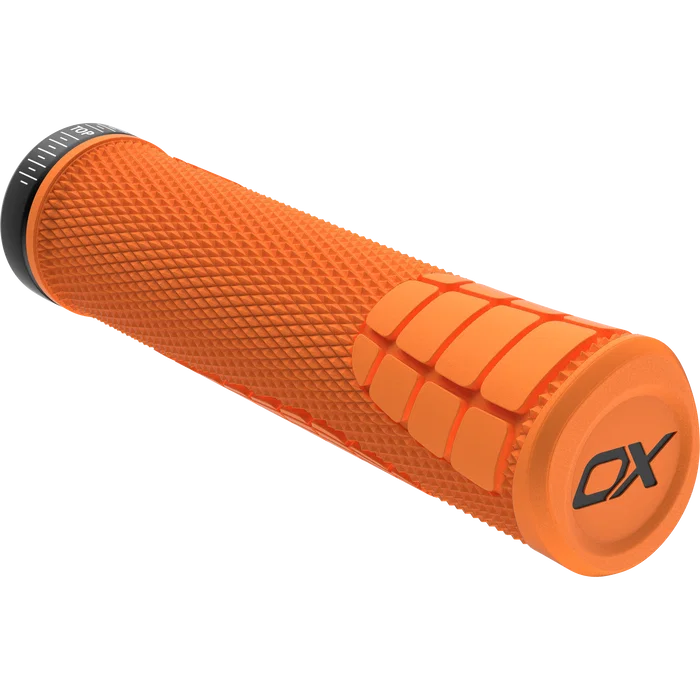
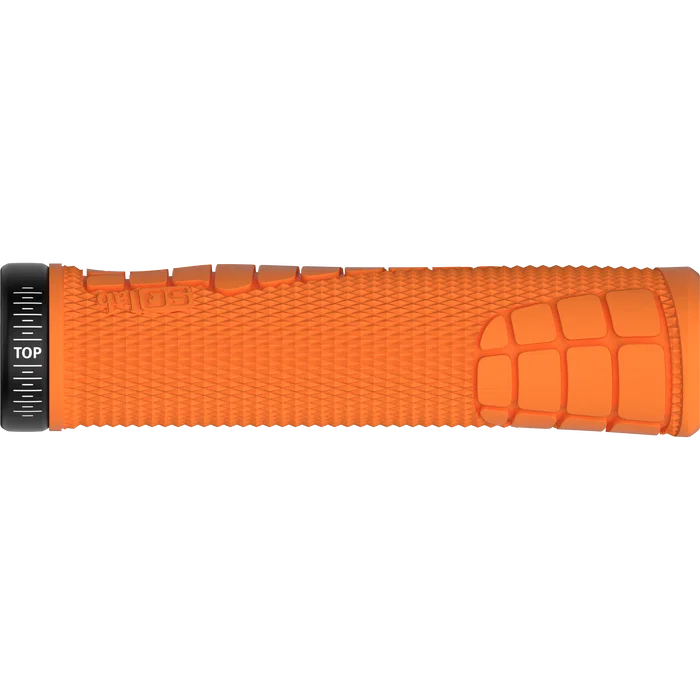
MTB downhill grips 7OX 2.0 Pro
Non-slip | vibration damping
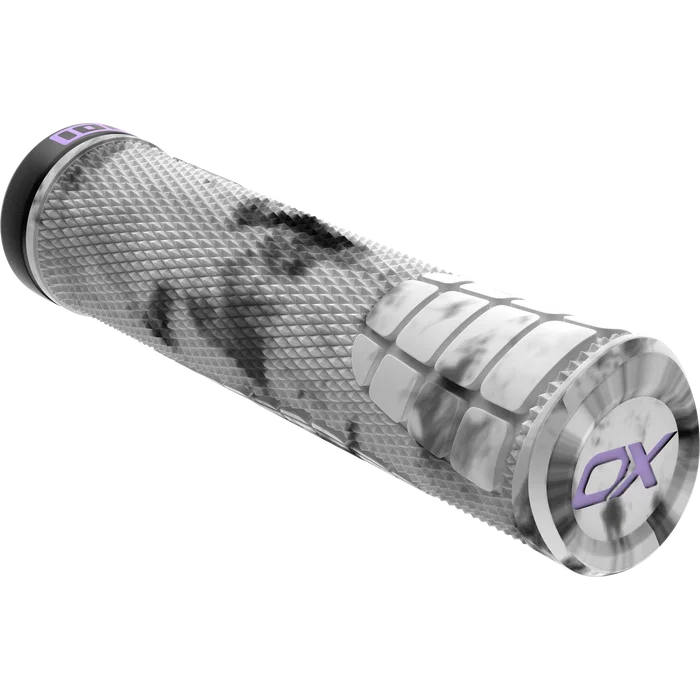
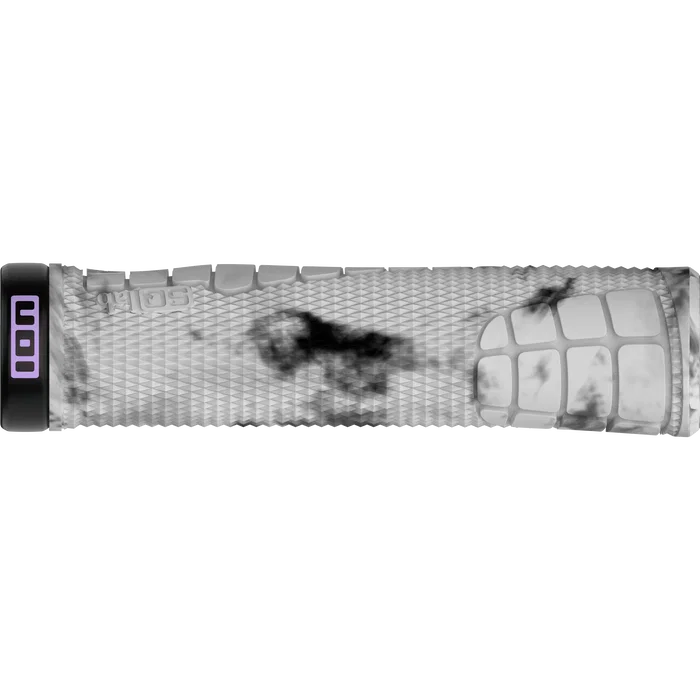
7OX 2.0 Pro ltd. ION
Ergonomic MTB grips
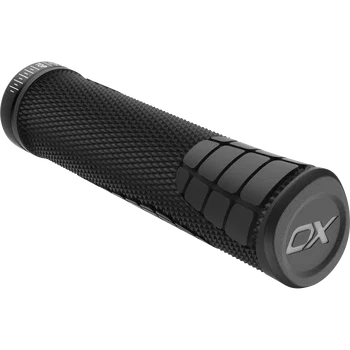
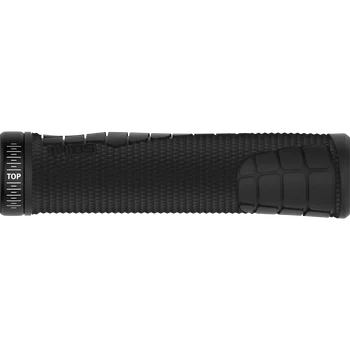
MTB downhill grips 7OX 2.0 Pro
Non-slip | vibration damping
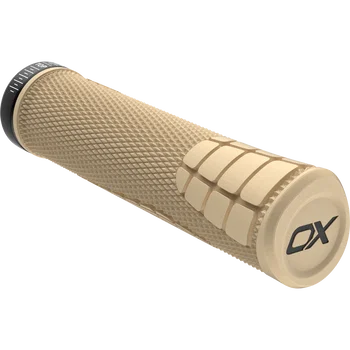
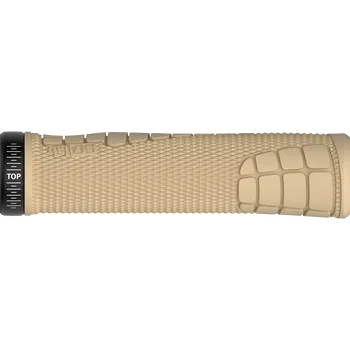
MTB downhill grips 7OX 2.0 Pro
Non-slip | vibration damping
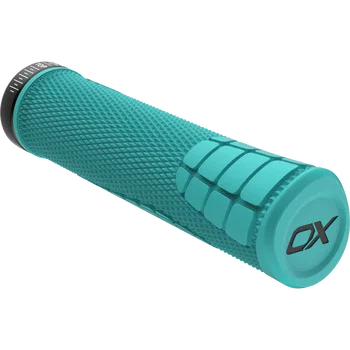
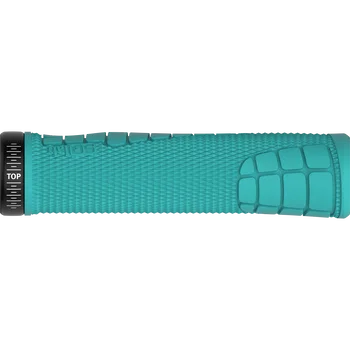
MTB downhill grips 7OX 2.0 Pro
Non-slip | vibration damping
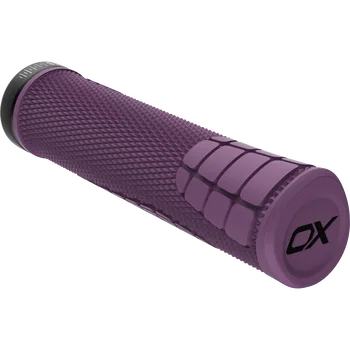
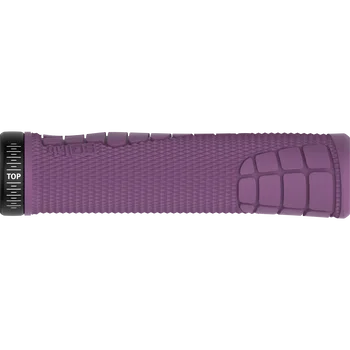
MTB downhill grips 7OX 2.0 Pro
Non-slip | vibration damping
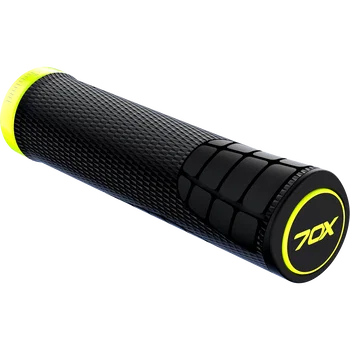

7OX
MTB enduro grips with yellow clamps
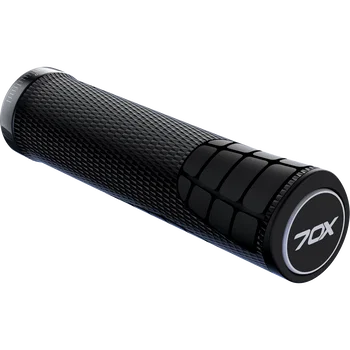

MTB enduro grips 7OX
Grippy | Durable
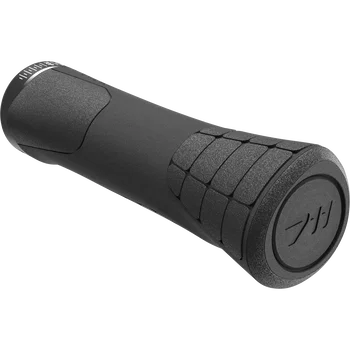
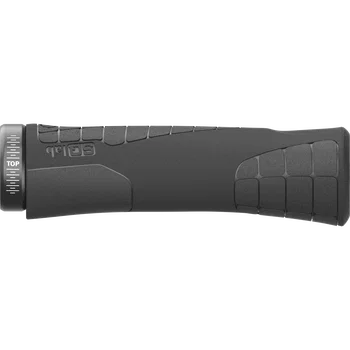
MTB Trail grips 711 2.1
In different sizes | relieving
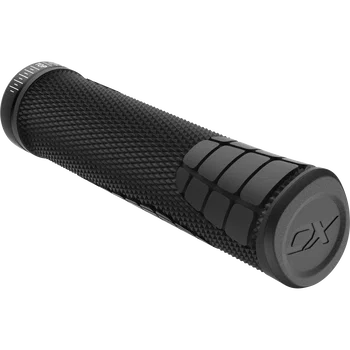
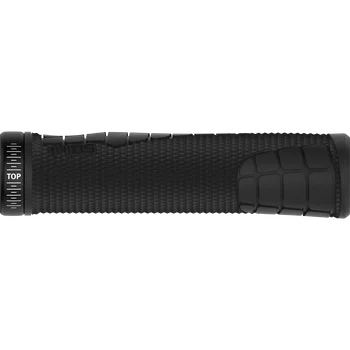
MTB grips 7OX 2.0
Non-slip | Abrasion-resistant
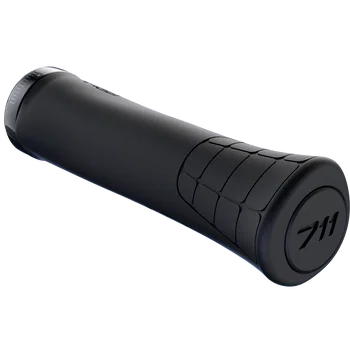
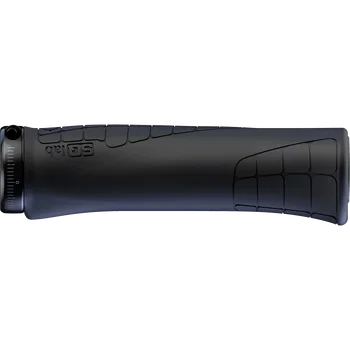
MTB trail grips 711 2.0
In different sizes | relieving
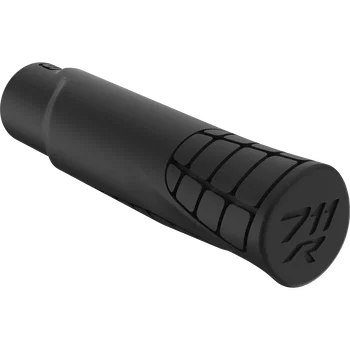
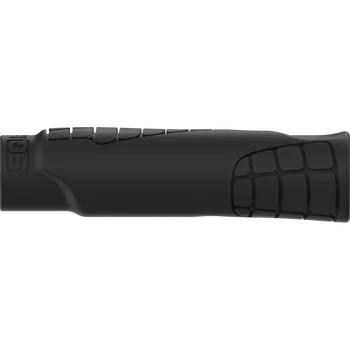
MTB grips 711 R
Light | Grippy
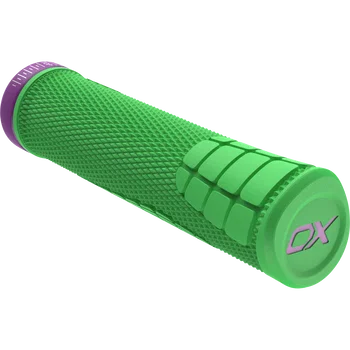
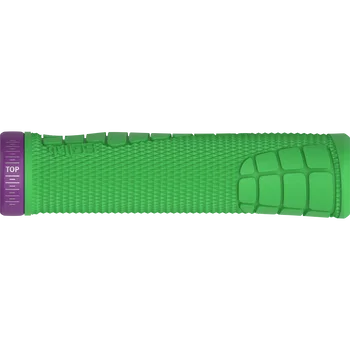
MTB grips 7OX 2.0 Pro ltd. Metzger
Non-slip | vibration damping
MTB Grips for More Control and Less Fatigue
MTB grips are the central contact point between your hand and the bike and directly influence control, braking power and fatigue on the trail. How confidently you lean into a corner, how quickly your forearms start to burn, how precisely you steer through a root section. A lot of it comes down to the grip.
Our ergonomic MTB grips from SQlab are developed anatomically and offered in several sizes, so the grip diameter genuinely matches your hand width. And to make sure you can figure out your grip size from home, we'll ship you a free measuring kit straight to your door. You can read more about our grip concept here.
Why Do You Need Specific MTB Grips?
MTB grips have to do a lot more than classic bike grips: they absorb impacts, stay reliable in wet and sweaty conditions and prevent the grip from twisting under heavy braking. City or trekking grips are designed for a calm, upright riding position, on a mountain bike they would simply be out of their depth. On rough trails, in steep descents and in changing conditions, the grip is what decides how long you can ride in control and without fatigue.
What your grips have to deal with on the Trail
vibrations and micro-impacts from roots, rocks and brake bumps
long descents with constant heavy braking (hello, arm pump)
changing conditions, sometimes gloves, sometimes wet fingers, sometimes cold
localised pressure peaks in the carpal tunnel area
:grayscale(false):quality(10):blur(20):format(webp) "sqlab-mtb-black-white-grip-ION")
Why Do Forearms Tire So Quickly? (Arm Pump)
:grayscale(false):quality(10):blur(20):format(webp) "_DSC4151photo_@wolisphoto_Bartek Wolinski")
Arm pump describes the over-acidification and hardening of the forearm muscles that builds up on long MTB descents through constant braking and gripping. The muscles get tight, the fingers feel numb, braking becomes sluggish. Ergonomic MTB grips significantly reduce the clamping force you need, because the palm rests on a larger surface and less force has to be transferred through the fingers. That takes the load off tendons, muscles and nerves and especially in enduro and downhill riding, you'll notice the difference by the second or third run. You can read more about numb hands while cycling in our guide.
Which Grip Size Fits My Hand?
The right MTB grip size is determined by your hand width, the distance between the knuckles of your index finger and little finger. We offers a home measuring kit that lets you dial in your saddle and grips in one go. As a rough guide: up to about 80 mm hand width, size S; 80–90 mm, size M; from 90 mm, size L. For the most accurate result, though, it's best to have your hand measured properly to make sure you buy the right grips for your mountain bike.
MTB Grips by Discipline: Trail, Enduro, Downhill...
Not every MTB grip suits every discipline: cross-country riders prefer thin, lightweight grips for a direct steering feel, while in downhill, damping and secure hold are what count. The table below shows which grip fits which type of riding.
Discipline | Recommended Grip Type | Benefit |
Cross-Country | Thin, lightweight, ergonomic | Direct riding feel, low weight |
Trail / All-Mountain | Ergonomic, medium thickness | Balanced mix of damping and contro |
Enduro | Thicker | Less arm pump on long descents |
Downhill | Thick, soft compound | Maximum vibration damping, secure hold |
:grayscale(false):quality(10):blur(20):format(webp) "sqlab_ION_MTB_Bartek Wolinski")
FAQ: the most common questions about MTB Grips
MTB grips are built for high-impact loads, changing riding positions and strong braking forces. They use harder, textured rubber compounds, a lock-on clamp to prevent twisting and often an ergonomic wing to support the palm. Trekking and city grips, on the other hand, are optimised for steady, upright loads.
For carpal tunnel syndrome, ergonomic MTB grips are the way to go and the right grip size is key: a grip that's too thin increases clamping force and makes symptoms worse. That's why SQlab's ergonomic grips come in several sizes and are specifically designed to relieve pressure.
Ergonomic MTB grips spread pressure across a larger area and help prevent numb fingers, tingling and arm pump. They increase control on rough terrain and reduce forearm fatigue on long descents. That makes them a smart choice for both ambitious MTB riders and hobby cyclists.
Grips slide onto the bar end and are fixed in place with an Allen key via the clamp, the recommended torque is usually 2–3 Nm.
The right MTB grip size depends on your hand width, measured across the knuckles of your fingers. SQlab provides a measuring kit that lets you determine the correct size at home. That's how you find the optimal grip diameter for maximum control and minimum fatigue.
MTB grips differ from trekking or city grips in three areas: material, shape and clamping system. They use harder, textured rubber compounds for grip even in the wet, almost always skip bar-ends and typically use a lock-on clamp – anything else and the grip would twist in rough terrain. Trekking and city grips, by contrast, are built for a calm, upright riding position with steady loads.
Ready for the Trail? Your SQlab MTB Grips Are Waiting
Find your perfect SQlab MTB grips now. Measure your hand with the SQlab Home Fitting Set and choose the size that fits your riding style. Trail, enduro or downhill: more control, less fatigue, longer days on the bike.
:grayscale(false):quality(10):blur(20):format(webp) "SQlab 8OX")
:grayscale(false):quality(10):blur(20):format(webp) "SQlab 6OX 2.2")
:grayscale(false):quality(10):blur(20):format(webp) "sqlabeinsatzbereichmasonrykids658x496px")
:grayscale(false):quality(10):blur(20):format(webp) "sqlab-mtb-black-white-grip-ION")
:grayscale(false):quality(10):blur(20):format(webp) "SQlab City 410/402 Innerbarends")
:grayscale(false):quality(10):blur(20):format(webp) "SQlab-MTB-EMTB-Lifestyle")
:grayscale(false):quality(10):blur(20):format(webp) "SQlab Gravel Lifestyle")
:grayscale(false):quality(10):blur(20):format(webp) "SQLAB 50X Pedal")
:grayscale(false):quality(10):blur(20):format(webp) "SQlab-MTB-EMTB-Lifestyle")