:grayscale(false):quality(10):blur(20):format(webp) "SQlab Lab 2025 Vermessung Measurement")
:grayscale(false):quality(10):blur(20):format(webp) "phntm_lab_4")
:grayscale(false):quality(10):blur(20):format(webp) "sqlab.startseite.menu.teaser.materials.technology")
:grayscale(false):quality(10):blur(20):format(webp) "sqlab.startseite.menu.teaser.research.development")
:grayscale(false):quality(10):blur(20):format(webp) "sqlab.startseite.menu.teaser.store.locator")
:grayscale(false):quality(10):blur(20):format(webp) "SQlab Trekking Lifestyle")
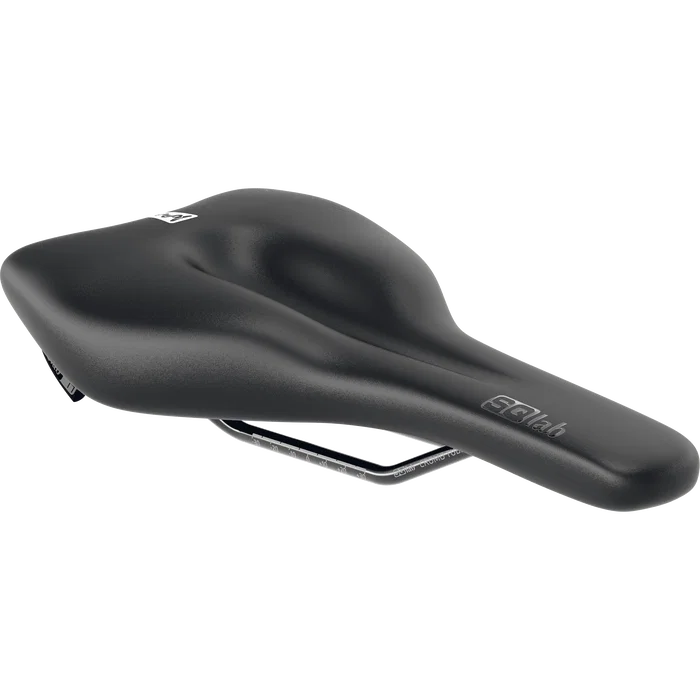
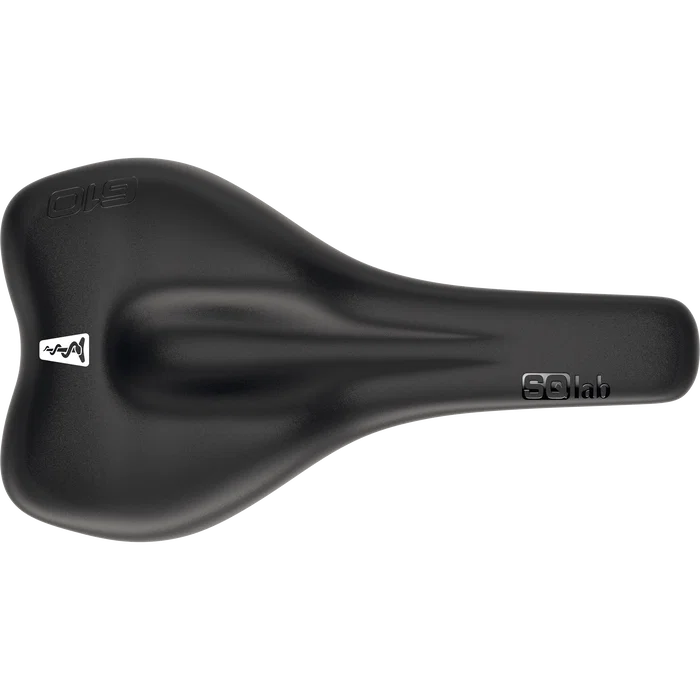
Touring saddle 610 M-D active
Maximum relief| back-friendly
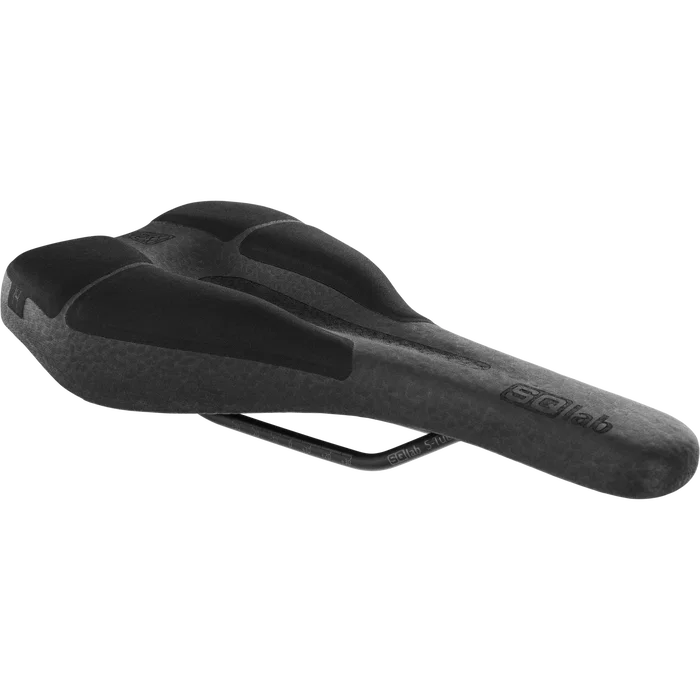

MTB saddle 610 Infinergy M-D active 2.1
Vibration-damping | Maximum relief
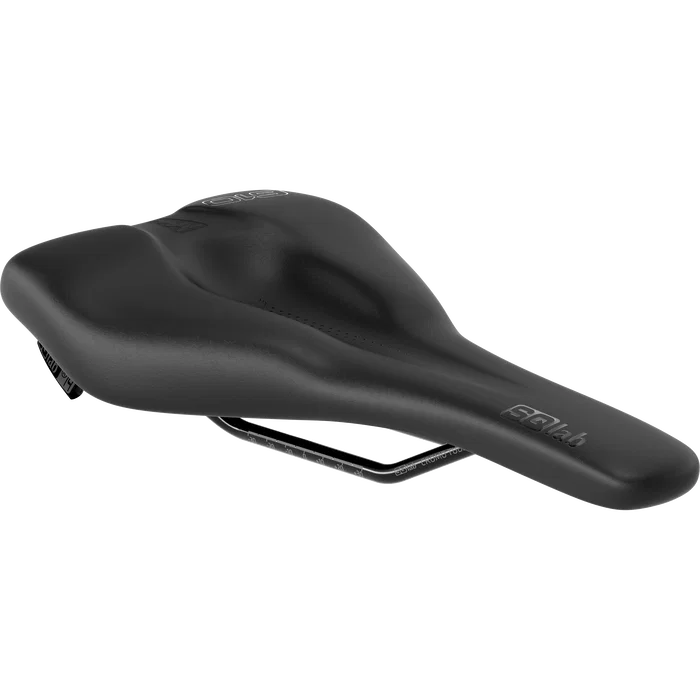
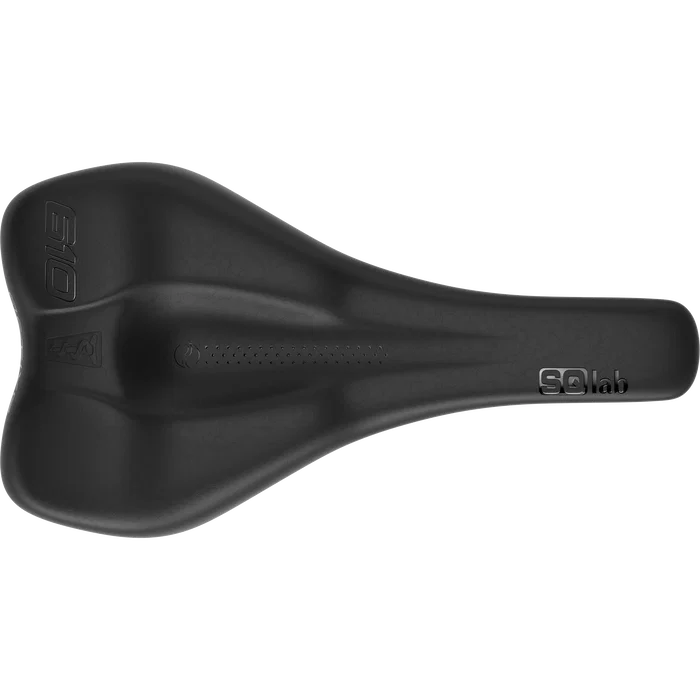
Touring saddle 610 active 2.1
Sporty | back-friendly
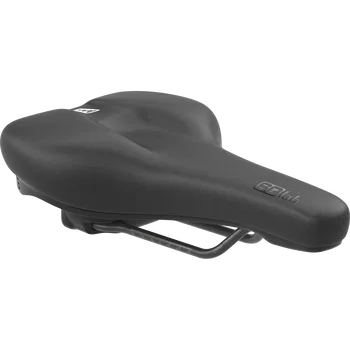
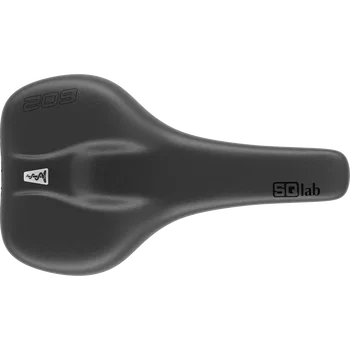
Trekking saddle 602 M-D active 2.1
Maximum relief| back-friendly
:grayscale(false):quality(10):blur(20):format(webp) "SQlab_Measurement_at_home_DSC4113")
Unsure about your sizes?
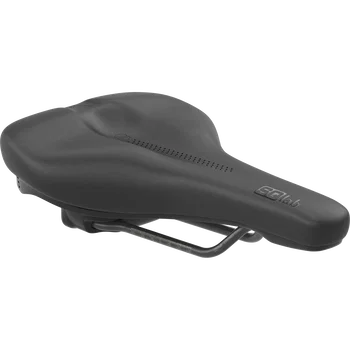
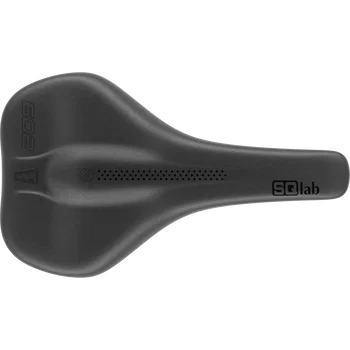
Trekking saddle 602 active 2.1
Comfortable | back-friendly


Trekking grips 702 2.0
3D Fit | Hand-relaxing
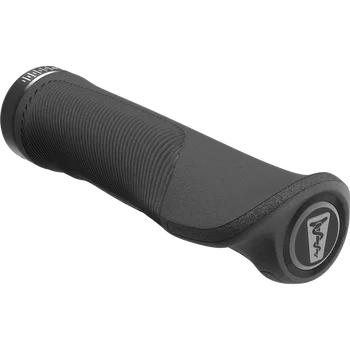

Bike grips 710 2.0
3D fit | Comfortable


MTB Grips 710
In different sizes | relieving


Trekking grips 702
In different sizes | relieving


MTB Grip 710 short
Compatible with twist-grip shifters
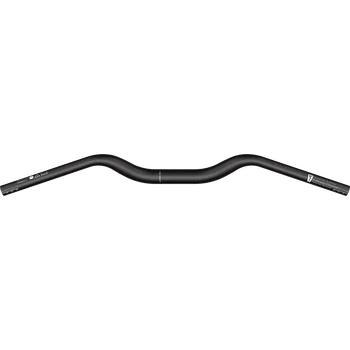
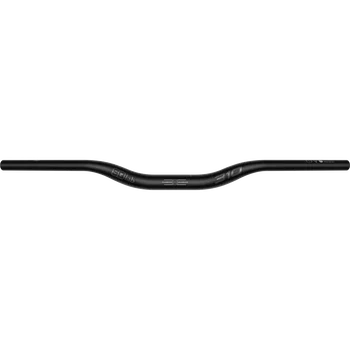
Touring bike handlebar 310 3.0
Durable | wrist-friendly
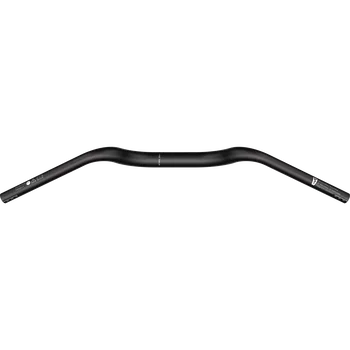
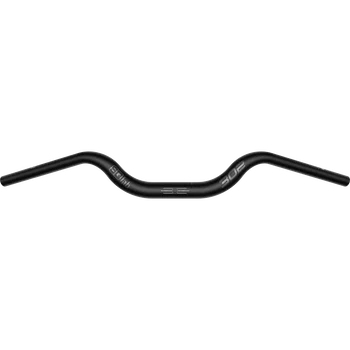
Trekking bike handlebar 302 3.0
Durable | back-friendly
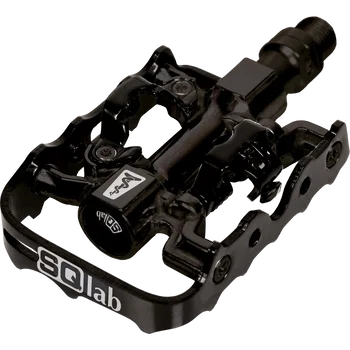
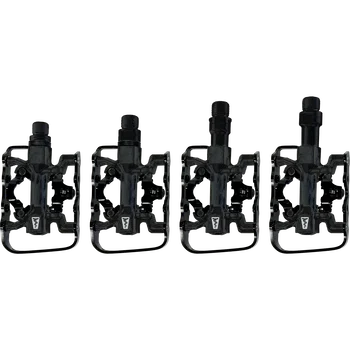
Combo pedals 510
Versatile | various axle lengths


Trekking pedals 502 active
Joint-friendly | various axle lengths

Barend grips Stuby® short
Compatible poignées rotatives


Barend grips Stuby®
Différentes tailles | soulagement
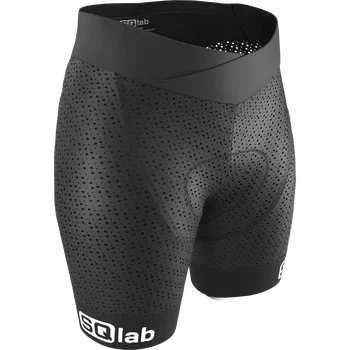
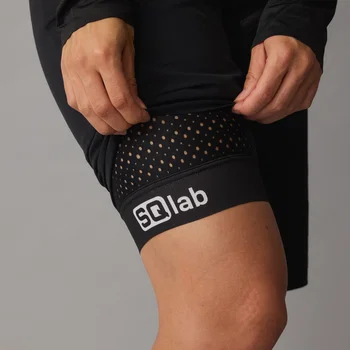
cycling shorts ONE10 2.0 women
Maximum Wearability | female fit

Shorts ONE10 2.0 unisex
Maximum wearability | breathable


Socks ONE10 2.0
Non-slip | Temperature-regulating
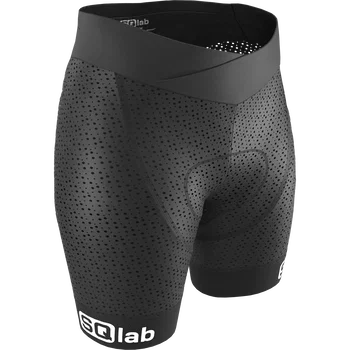
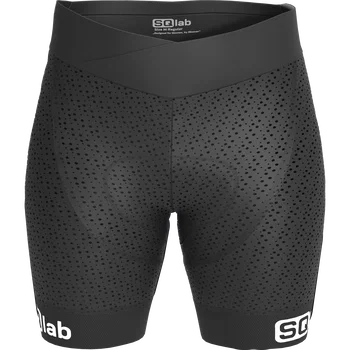
Padded cycling shorts woman ONE10
Maximum Wearability | female fit
Trekking handlebars, saddles, and components for a more comfortable ride
Trekking components built for relaxed, consistent riding, from everyday trips to longer tours. Saddles matched to sit bone width provide targeted support, grips sized to fit the hand help reduce pressure, handlebars encourage a natural hand and arm position, and pedals promote a stable footing. Together, they create a balanced, comfortable and consistent riding position.
An ergonomically tuned trekking bike supports a natural posture, distributes pressure more evenly, and helps prevent discomfort in the hands, back, sit bones, and knees. The goal isn't to sit as sporty or as upright as possible, but to find a position that matches your riding style, body size, and intended use.
What matters when choosing Trekking Bike components?
Trekking bike components deliver the biggest comfort gains when they're matched to your riding position, body, and intended use. The handlebar, saddle, grips, pedals, and stem are the key players, since they directly shape how pressure, posture, and power transfer are distributed across the bike. If you're looking for an ergonomic saddle and ergonomic grips, you can easily order our measurement at home kit. Measure your sitbones and handgrip and order.
:grayscale(false):quality(10):blur(20):format(webp) "sqlab_trekking")
Who are ergonomic Trekking Bike components for?
:grayscale(false):quality(10):blur(20):format(webp) "SQlab Trekking Lifestyle")
Ergonomic components are a smart choice for anyone who rides their trekking bike regularly: commuters, tourers, leisure riders, and anyone who wants to cover longer distances without discomfort. They're particularly worthwhile if your hands go numb after a few kilometres, your back starts to ache, or your saddle feels uncomfortable. Numbness in your hands and fingers can really take the fun out of riding and noticeably hurt your performance too.
Riders who use their trekking bike day-to-day also benefit from a better setup. A comfortable posture makes short trips more enjoyable and longer stretches easier to plan. Ergonomics matter even more on tours with luggage, since the extra weight shifts your riding position and puts more strain on your hands, shoulders, and sit bones.
Which components make a Trekking Bike more comfortable?
Most of the comfort on a trekking bike comes down to the contact points. The right trekking saddle takes pressure off your sit bones, ergonomic grips reduce strain on your hands and wrists, and a well-chosen trekking handlebar supports a relaxed upper-body posture. Trekking pedals or clipless pedals improve your footing and power transfer.
:grayscale(false):quality(10):blur(20):format(webp) "SQlab_this is the difference_trekking")
FAQ: Common questions about Trekking Bike components
The single most important thing is a well-dialled riding position. Saddle height, handlebar height, stem length, and saddle position all determine how your body is loaded on the bike. Only after these are set should you start fine-tuning individual components like the handlebar, saddle, grips, or pedals. Skipping the basic setup often leads to swapping products without ever addressing the real cause of the discomfort.
The contact points have the biggest impact: saddle, handlebar, grips, and pedals. The right trekking saddle reduces pressure on your sit bones, ergonomic grips take the strain off your hands and wrists, and a well-chosen trekking handlebar improves your upper-body posture. Trekking pedals give you a secure stance and better control. The stem can also make a real difference to comfort.
Back pain often comes from a poor riding position, a stem that's too long, or a handlebar that sits too low or too far away. A slightly more upright posture can ease the strain, but should be adjusted carefully. Saddle height and pelvic position also play a role. It's worth checking your overall ergonomics first before replacing individual components.
The right riding position on a trekking bike starts with saddle height. Your leg shouldn't be fully extended at the bottom of the pedal stroke, but it shouldn't be too bent either. From there, check your saddle position, handlebar height, and stem length. The goal is a posture where your hands, shoulders, and back aren't under constant tension and where you keep full control of the bike.
Fit, intended use, and ergonomics matter more than any single product claim. A trekking handlebar should match your shoulder width and posture, and a trekking saddle should match your riding position and sit bone width. Pedals should offer a secure grip, especially in daily use and in changing weather. If you ride longer distances often, choose components that spread pressure well and give you room to move.
Clipless pedals can be a great choice on a trekking bike if you cover longer distances and want more consistent power transfer. For city traffic or very short daily trips, classic trekking pedals are often easier to live with. What matters is that the system suits your riding style and that you can handle it confidently. If you have to put a foot down often, look for a system that's easy to clip in and out of.
How to find the right components
When buying trekking bike components, your body size, riding posture, distance, terrain, and any specific complaints all come into play. Riders who sit more upright need different components than those who ride briskly with a slight forward lean.
A trekking handlebar should match your shoulder width and preferred grip position. A trekking saddle shouldn't be picked by feel alone — go by sit bone width, riding position, and pressure distribution. Trekking pedals need a decent platform size and good grip, especially in changing weather or on longer everyday rides.
How to Find the Right Components
Take discomfort seriously: Numb hands, back pain, or saddle pressure are clear signs something isn't quite right.
Check your riding position first: Saddle height, handlebar height, and stem influence nearly every other component.
Prioritise the contact points: Saddle, handlebar, grips, and pedals have the biggest impact on comfort.
Define how you ride: Everyday use, commuting, touring, and travel all place different demands on your setup.
Softer isn't always better: A very soft saddle isn't not more comfortable. The right shape is what counts.
Think of components as a system: A new handlebar might call for a different stem or new grips to really work.
:grayscale(false):quality(10):blur(20):format(webp) "SQlab Trekking 802")
:grayscale(false):quality(10):blur(20):format(webp) "SQlab Trekking 610 active")
:grayscale(false):quality(10):blur(20):format(webp) "sqlabeinsatzbereichmasonrykids658x496px")
:grayscale(false):quality(10):blur(20):format(webp) "SQlab Trekking 710 2_0")
:grayscale(false):quality(10):blur(20):format(webp) "sqlab-sq-shorts-one10")
:grayscale(false):quality(10):blur(20):format(webp) "sqlab-trekking-lifestyle-handlebar-focus-302")
:grayscale(false):quality(10):blur(20):format(webp) "sqlab pedal 502")
:grayscale(false):quality(10):blur(20):format(webp) "sale_trekking")
:grayscale(false):quality(10):blur(20):format(webp) "sqlab-trekking-lifestyle-focus-innerbarends")