:grayscale(false):quality(10):blur(20):format(webp) "SQlab Lab 2025 Vermessung Measurement")
:grayscale(false):quality(10):blur(20):format(webp) "phntm_lab_4")
:grayscale(false):quality(10):blur(20):format(webp) "sqlab.startseite.menu.teaser.materials.technology")
:grayscale(false):quality(10):blur(20):format(webp) "sqlab.startseite.menu.teaser.research.development")
:grayscale(false):quality(10):blur(20):format(webp) "sqlab.startseite.menu.teaser.store.locator")
:grayscale(false):quality(10):blur(20):format(webp) "sqlab_612_R_2_0_Ergonomic_Road_bike_Saddle")
Road bike saddles
Our road bike saddles maximize your performance on the road thanks to their ergonomic shape and individual size.
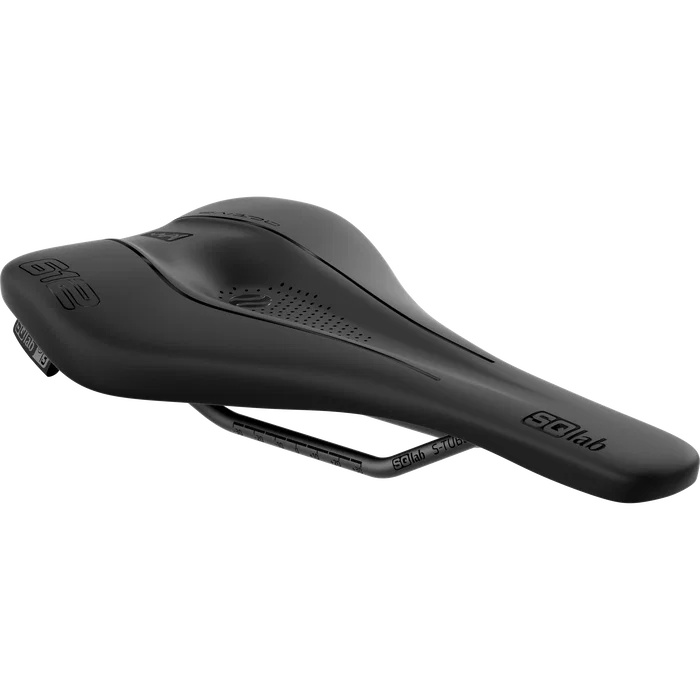
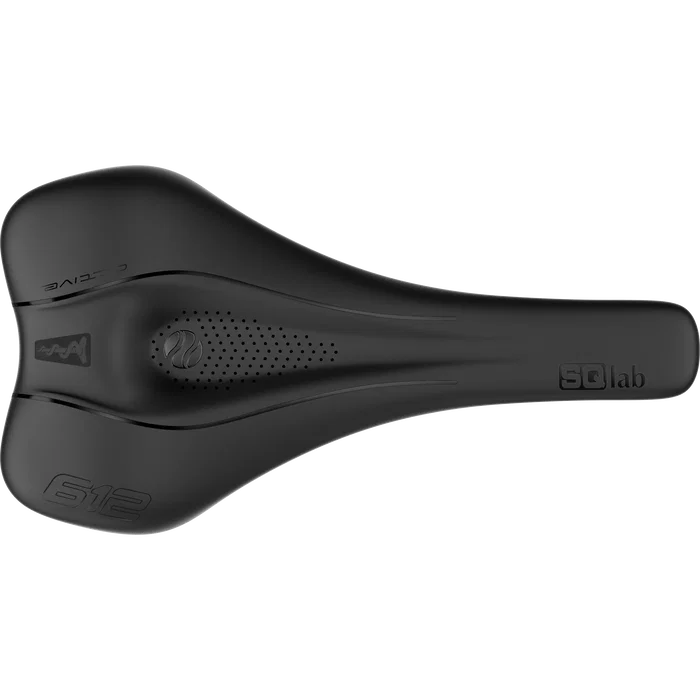
Road bike saddle 612 active 2.1
Sporty | back-friendly
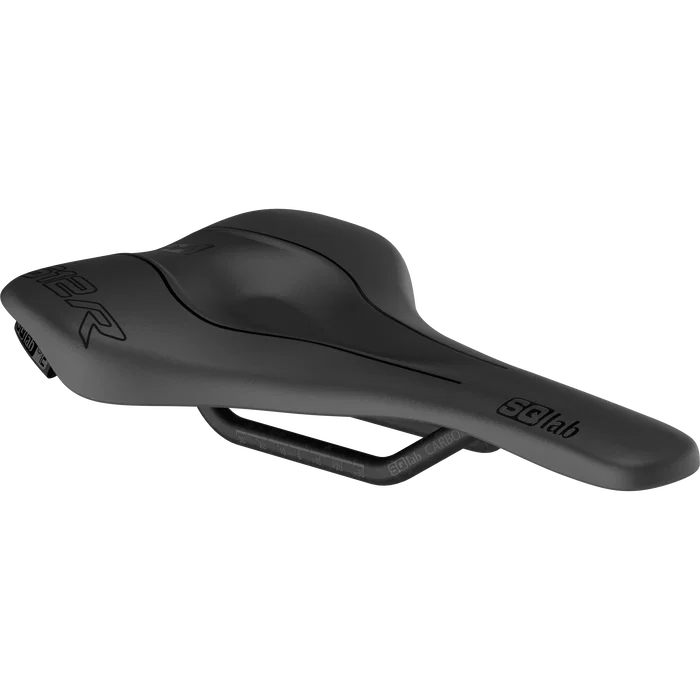

Road bike saddle 612 R Carbon
Performance-optimized | lightweight
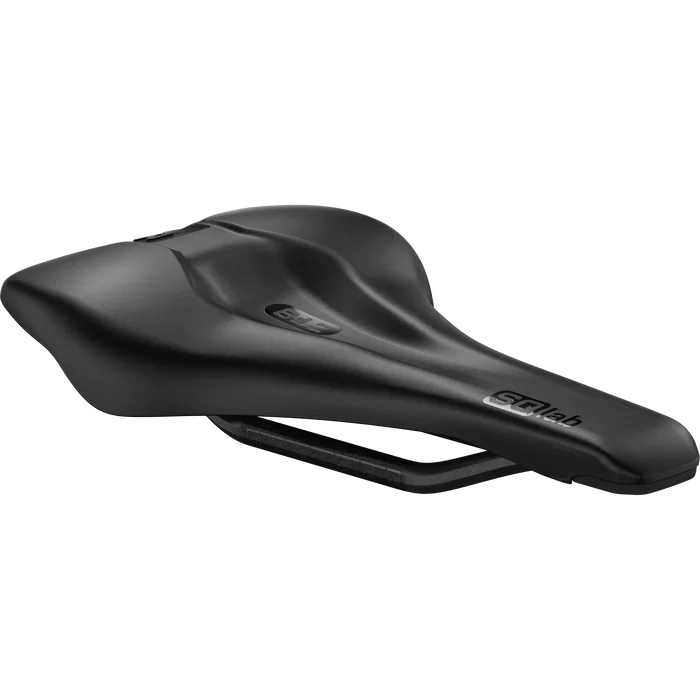

Road saddle 612R 2.0 Carbon
Performance-optimized | lightweight
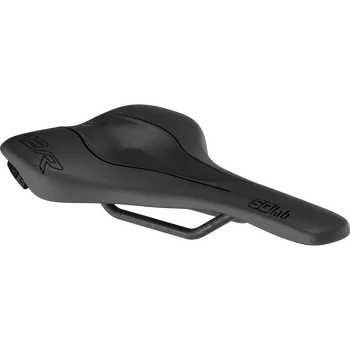

Road bike saddle 612 R
Performance-optimized |robust
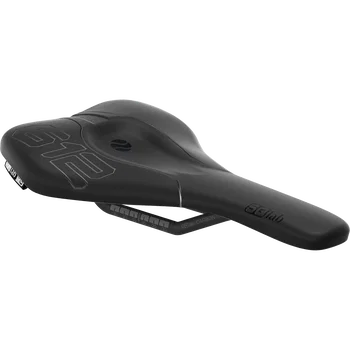
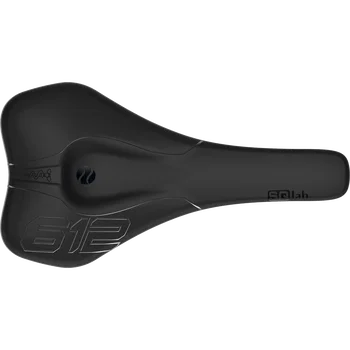
Cross Country saddle 612 Carbon
Light | sporty
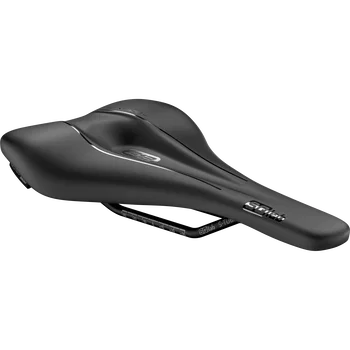
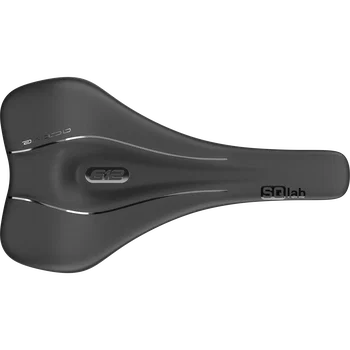
Road bike saddle 612 active 2.2
Sporty | back-friendly
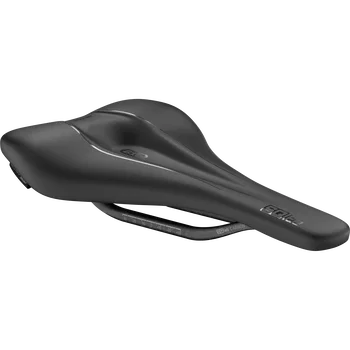
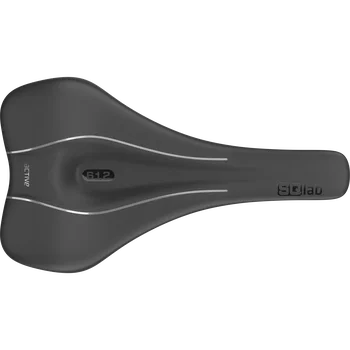
Road bike saddle 612 active 2.1 Carbon
Light | Back-friendly
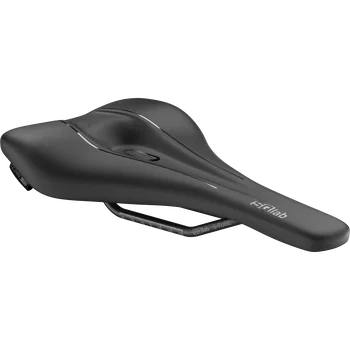
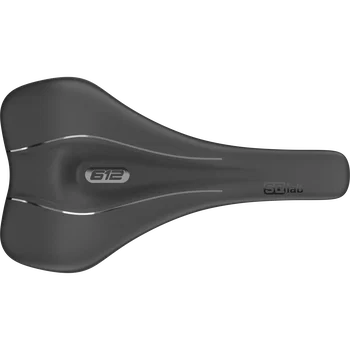
Road bike saddle 612 2.1
Sporty | Made in Spain


Road bike saddle 612 R ltd. Team Carbon
Performance-optimized | lightweight
Our road bike saddles offer ergonomics and top performance
A good road bike saddle is one of the most important points of contact between the rider and the bike. It affects comfort, seating stability, power transfer, and fatigue on long rides. Anyone looking to buy a road bike saddle should therefore focus not only on weight or appearance, but above all on fit, width, and intended use.
This is exactly where we come in: We don’t categorize by women’s or men’s models, but rather by the individually appropriate saddle width based on the distance between the sit bones. This allows for a more precise selection of a saddle for both the road bike and the rider. For athletic rides, long distances, and efficient performance.
What makes a road bike saddle unique, and how does it differ from other bike saddles?
A road bike saddle differs from other bike saddles primarily in its focus on a sporty riding position. While city or trekking saddles are often wider and have softer padding, a road bike saddle is generally narrower, firmer, and designed for efficient freedom of movement. This is because the pelvis tilts more forward on a road bike, creating different requirements for shape, pressure distribution, and support.
For athletic riding, therefore, it is not particularly soft padding that is crucial, but rather a saddle that provides stable support for the sit bones, reduces friction, and allows for a high cadence. A saddle that is too soft can actually reduce comfort on longer rides because it negatively affects pressure distribution. A properly fitted performance road bike saddle, on the other hand, ensures better power transfer, greater comfort on long rides, and an overall more efficient riding experience. Provided the saddle width and shape match your individual anatomy.
:grayscale(false):quality(10):blur(20):format(webp) "612_r_DSC1766")
Seat bone measurement for road bike saddles: Why is the space between them so important?
:grayscale(false):quality(10):blur(20):format(webp) "SQlab_Measurement_at_home_DSC4113")
The most important factor when choosing the right road bike saddle is your individual sit bone width, which we determine using the SQlab sit bone measurement. This measurement shows how far apart your sit bones are and what saddle width is needed to ensure your body weight is supported exactly where it should be. This is the only way to distribute pressure evenly and relieve pressure on sensitive areas.
This is particularly crucial on a road bike, with its sporty, forward-leaning riding position. This is because pressure zones and contact surfaces change significantly in this position. That’s why the SQlab width concept is based not on gender, but on anatomy, sit bone width, and intended use. In other words: It’s not whether you’re male or female, but how you sit on the bike and your body’s build that determines the right saddle width. You can read more about this topic on our Unisex Concept page.
Pressure Relief Without a Hole: Why Is the Shape of a Road Bike Saddle So Important?
Many people associate an ergonomic road bike saddle with a saddle that has a hole in the middle. However, it is not the hole itself that matters, but rather how pressure is distributed. While a large hole reduces pressure in the center, it often shifts it to the edges. Precisely to a sensitive area where many nerves and blood vessels run. This can contribute to friction, numbness in the pelvis, and pain in the sit bones while cycling.
That’s why we rely on an ergonomic stepped shape with a central recess instead of a large cutout. It specifically relieves pressure on the sensitive area without creating additional pressure points, stabilizes the sit bones, and can thus reduce pressure-related discomfort and numbness.
:grayscale(false):quality(10):blur(20):format(webp) "sqlab.materialien.und.technologie.unisex.vergleich.becken.mann.frau")
The most important factors are the right width, support for the sit bones, and a shape that suits a cycling position.
Not necessarily. On a road bike, padding that’s too soft can actually worsen pressure distribution. Comfort comes primarily from the right fit.
No, on the contrary. We prefer central cutouts because they allow for better pressure distribution.
The correct riding position on a road bike is achieved when the saddle is adjusted so that your sit bones rest firmly on it, pressure is distributed evenly, and your pelvis and back can maintain a natural posture. It is important that you are sitting neither too far forward nor too far back, and that the saddle is neither too high nor too low. If you experience numbness, severe pressure, or pain in your sit bones while riding, you should check the saddle position and, if necessary, have it professionally adjusted.
Why you should buy your next Road Bike Saddle from SQlab
Whether you’re looking for a sporty all-rounder, a lightweight road bike saddle for ambitious riders, or an ergonomically designed SQlab road bike saddle for long rides: The right choice always starts with the fit. When width, shape, and intended use align, not only does comfort improve, but so does your efficiency on the bike. Discover the right road bike saddle for your riding position now and find the model that suits your riding style.
What to look for when buying:
Determine your sit bone width before purchasing
Choose a saddle width that matches your riding position
Keep an eye on shape, legroom, and stability
Don’t confuse padding with comfort
Consider the intended use: long distances, all-around, or racing
Prioritize fit over weight and material
Ensure the correct adjustment of height, angle, and offset, as the road bike saddle’s settings significantly impact comfort and efficiency.
Translated with DeepL.com (free version)
:grayscale(false):quality(10):blur(20):format(webp) "SQlab City 621 active")
:grayscale(false):quality(10):blur(20):format(webp) "SQlab 6OX 2.2")
:grayscale(false):quality(10):blur(20):format(webp) "sqlabeinsatzbereichmasonrykids658x496px")
:grayscale(false):quality(10):blur(20):format(webp) "SQlab 612 R")
:grayscale(false):quality(10):blur(20):format(webp) "SQlab Trekking 610 active")
:grayscale(false):quality(10):blur(20):format(webp) "sqlabeinsatzbereichmasonrygriddirt424x424px")
:grayscale(false):quality(10):blur(20):format(webp) "SQlab Gravel Lifestyle")
:grayscale(false):quality(10):blur(20):format(webp) "SQlab Gravel 614 active")
:grayscale(false):quality(10):blur(20):format(webp) "sqlab.triathlon.sudelfeld.2024.by.UrsGolling.0193")